

Role of Pneumatic Conveying in Masterbatch Handling
Masterbatch handling in the plastic manufacturing industry often requires efficient and reliable material transport systems. Pneumatic conveying has emerged as a critical technology for moving masterbatch powders from storage to processing equipment. This article explores the role of pneumatic conveying systems in masterbatch transportation, highlighting their benefits and applications.
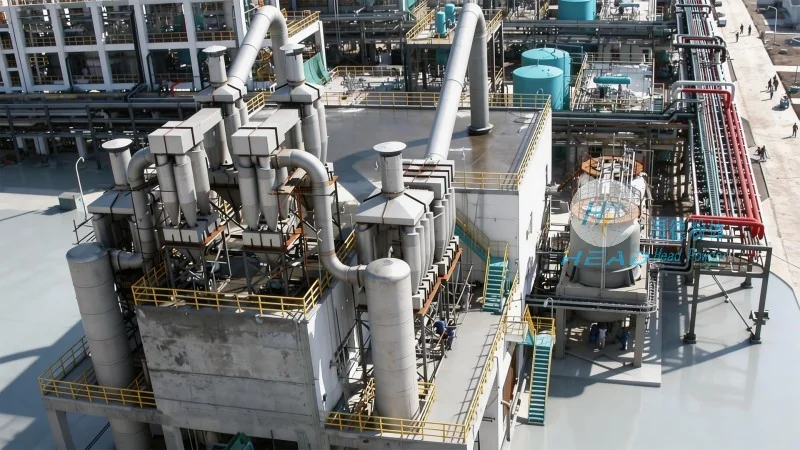
Understanding Pneumatic Conveying for Masterbatch Handling
Pneumatic conveying utilizes air or gas to transport bulk materials like masterbatch powders through a pipeline network. Unlike traditional mechanical systems, it offers a non-contact method of material movement, reducing product contamination and wear on equipment. The technology is particularly suitable for masterbatch, which often contains pigments and additives that are sensitive to friction and moisture.
Key Benefits of Pneumatic Conveying in Masterbatch Processing
One of the primary advantages of pneumatic conveying is its ability to handle fine powders without agglomeration or degradation. The controlled air flow ensures consistent particle movement, maintaining the integrity of the masterbatch. Additionally, this method allows for flexible system designs, enabling integration with existing production lines or expansion for future needs. Companies like Shandong HeadPowder Engineering Co., Ltd. specialize in designing customized pneumatic conveying solutions tailored to masterbatch handling requirements.
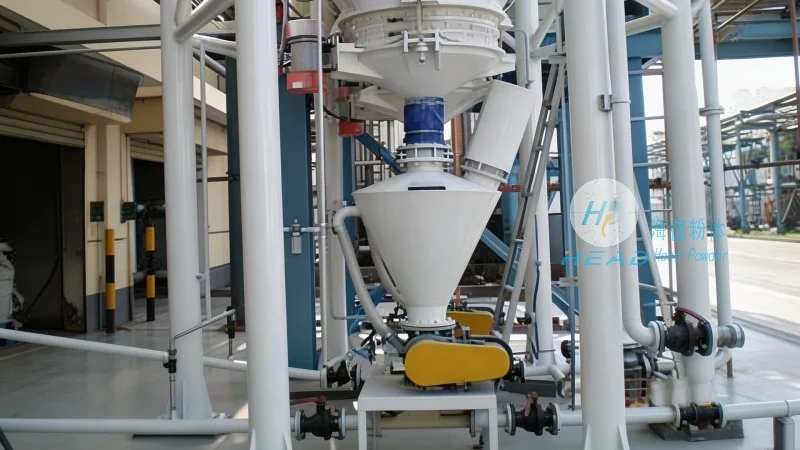
Customized Pneumatic Conveying Solutions by HeadPowder
HeadPowder, a leading manufacturer in the field, offers advanced pneumatic conveying systems engineered for masterbatch applications. Their solutions include positive pressure, negative pressure, and hybrid systems, each optimized for specific operational conditions. The company’s expertise lies in matching the right conveying technology with the material characteristics, ensuring efficient and cost-effective transport. For instance, their systems can handle high-volume masterbatch transfers while maintaining low energy consumption and minimal product loss.
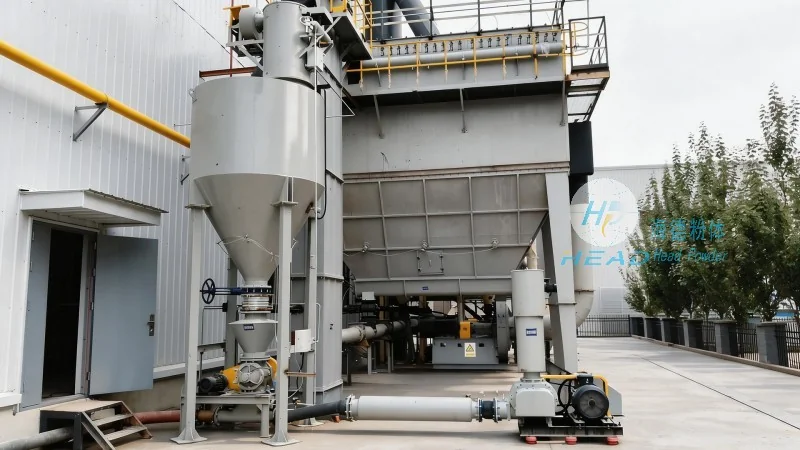
Technical Advantages and Operational Efficiency
Pneumatic conveying systems provide several technical benefits that enhance masterbatch processing efficiency. The absence of moving parts in the conveying line reduces maintenance requirements and downtime. Furthermore, the technology allows for precise control over material flow rates, which is crucial for maintaining consistent color and additive distribution in plastic products. HeadPowder’s systems are equipped with advanced control panels and monitoring tools, enabling real-time adjustments to optimize performance. This results in improved product quality and reduced waste in the manufacturing process.
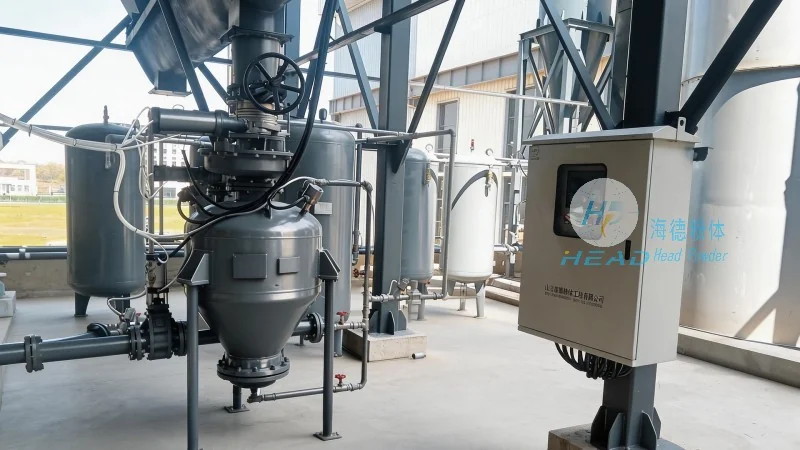
Addressing Challenges in Masterbatch Transportation
Transporting masterbatch powders can present challenges such as dust generation, material segregation, and system blockages. Pneumatic conveying addresses these issues effectively by using enclosed pipelines and controlled air pressure. The system design minimizes dust exposure, ensuring a safer working environment. Additionally, the uniform flow of air prevents material segregation, maintaining the desired pigment and additive ratios throughout the transport process. HeadPowder’s engineers design systems with features like pulse jets and cyclone separators to prevent blockages and maintain consistent operation.
Conclusion: The Role of Pneumatic Conveying in Modern Masterbatch Handling
As the plastic industry continues to demand higher quality and efficiency in masterbatch processing, pneumatic conveying remains a vital technology. Companies like Shandong HeadPowder Engineering Co., Ltd. play a crucial role in providing innovative solutions that enhance the performance of masterbatch handling systems. By leveraging advanced pneumatic conveying technologies, manufacturers can achieve reliable, cost-effective, and safe transport of masterbatch powders, contributing to improved product quality and operational efficiency.