Working Principle and Classification Application of Desulfurization Gypsum Pneumatic Conveying
Release time:2026-09-14 10:40:05
name of the company:Shandong Headpowder Engineering Co., Ltd.
telephone:156-6277-7102
contacts:Manager Zhang
Desulfurization gypsum, a byproduct of flue gas desulfurization in power plants and industrial facilities, is widely utilized in construction, agriculture, and other industries. The efficient transportation of this material is crucial for its application. Pneumatic conveying, a method that uses air to transport bulk materials, has become a popular choice for handling desulfurization gypsum due to its advantages in flexibility, hygiene, and low maintenance. This article introduces the working principle and various classification applications of desulfurization gypsum pneumatic conveying systems.
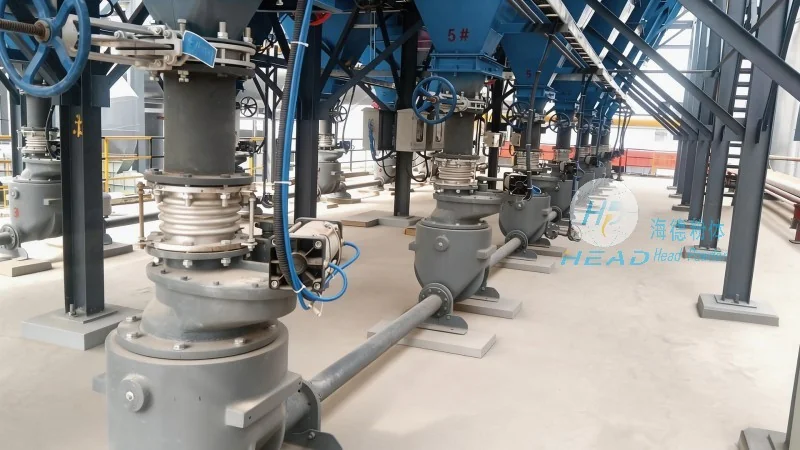
Working Principle of Desulfurization Gypsum Pneumatic Conveying
The core of pneumatic conveying for desulfurization gypsum involves the use of a pipeline system where air is used to transport the gypsum particles. The process typically starts with the gypsum being fed into a hopper or feeder. From there, it is drawn into the conveying line by a vacuum or pressure system. The air flow creates a flow of the gypsum particles, moving them through the pipeline to the destination point. The system can be either vacuum or pressure-based, with vacuum systems being more common for long-distance or low-pressure applications, and pressure systems used for shorter distances or higher material flow rates. The key components of a pneumatic conveying system include the feeder, the conveying line, the air source (blower or compressor), and the receiver or discharge equipment. The air flow rate and pressure are critical parameters that determine the efficiency and capacity of the system. Proper design ensures that the gypsum particles are transported without clogging or degradation, maintaining the material's quality for downstream applications.
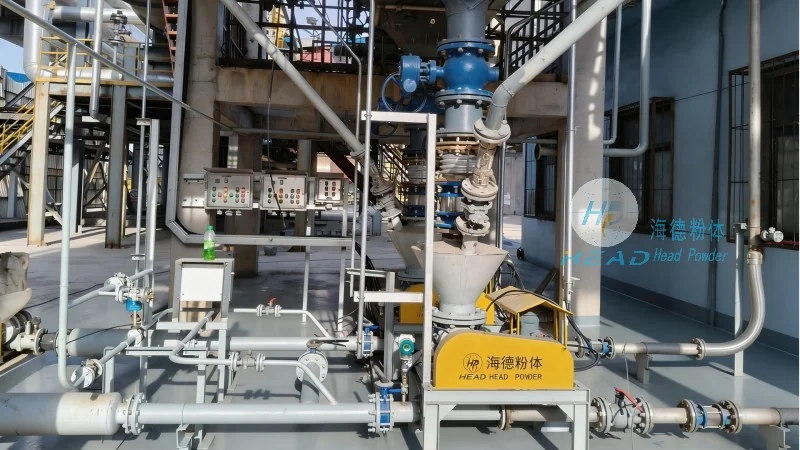
Classification of Desulfurization Gypsum Pneumatic Conveying Systems
Desulfurization gypsum pneumatic conveying systems can be classified based on several factors, including the conveying method (vacuum or pressure), the material flow rate, and the system configuration. The main classifications are:
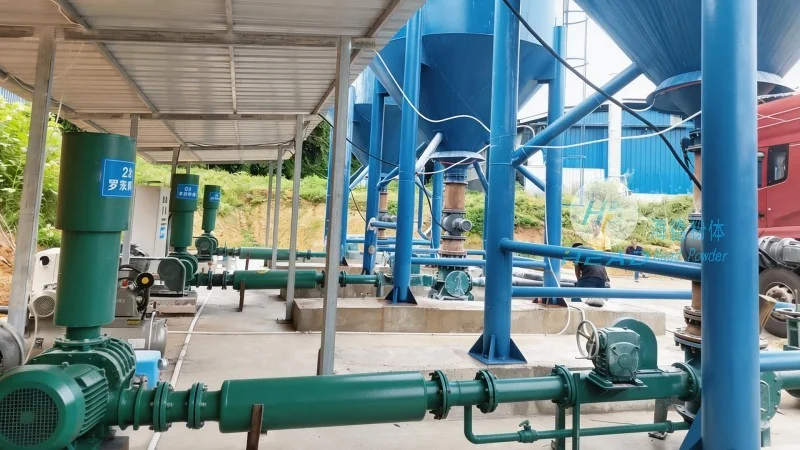
- Vacuum Pneumatic Conveying: This system uses a vacuum to draw the gypsum from the source to the destination. It is suitable for long-distance transportation and applications where the material needs to be collected from multiple points. The vacuum system operates by creating a low-pressure environment that pulls the material and air mixture through the pipeline. The advantages include low energy consumption for long distances and the ability to handle materials from multiple sources. However, it may have limitations in terms of material flow rate and may require more complex equipment for high-volume applications.
- Pressure Pneumatic Conveying: In this system, air is supplied under pressure to push the gypsum through the pipeline. It is commonly used for shorter distances and higher material flow rates. The pressure system is more suitable for applications where the material needs to be transported quickly and in large quantities. The advantages include higher material flow rates and the ability to handle abrasive materials. However, it may require more energy and may have limitations in terms of long-distance transportation due to pressure drop over the pipeline.
- Combined Vacuum and Pressure Systems: Some applications may require a combination of both vacuum and pressure systems. For example, a vacuum system may be used to collect the gypsum from multiple sources and then a pressure system to transport it to the final destination. This hybrid approach can optimize the system for both long-distance and high-volume requirements.
Application Scenarios of Desulfurization Gypsum Pneumatic Conveying
The classification of pneumatic conveying systems influences their application in various industries. Here are some common scenarios where desulfurization gypsum pneumatic conveying is applied:
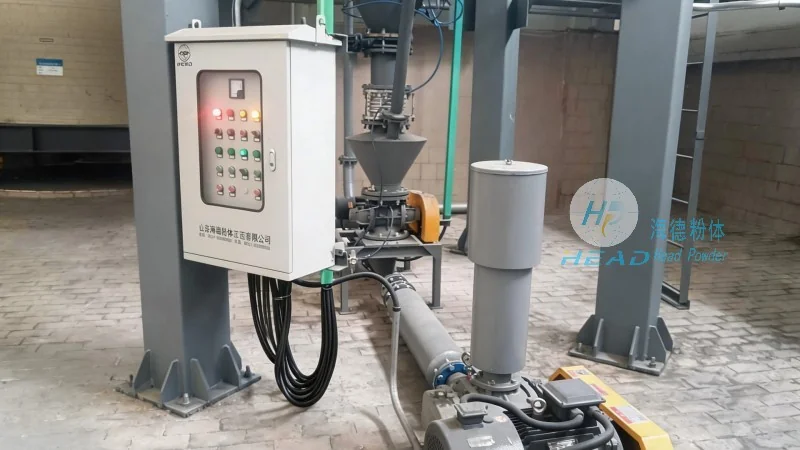
- Construction Industry: Desulfurization gypsum is a key raw material for producing gypsum boards, plaster, and other building materials. Pneumatic conveying systems are used to transport the gypsum from storage facilities to production lines. The systems ensure that the material is delivered in a clean and consistent manner, which is essential for maintaining the quality of the final products. The high efficiency of pneumatic conveying helps in reducing production time and costs, making it a preferred method in large-scale construction projects.
- Agricultural Industry: In agriculture, desulfurization gypsum is used as a soil amendment to improve soil structure and fertility. Pneumatic conveying systems are used to distribute the gypsum over large agricultural areas. The systems can handle large volumes of material and ensure uniform distribution, which is crucial for effective soil treatment. The use of pneumatic conveying in agriculture helps in reducing labor costs and increasing the efficiency of soil management.
- Industrial Processing: Beyond construction and agriculture, desulfurization gypsum is also used in other industrial processes, such as the production of cement and fertilizers. Pneumatic conveying systems are used to transport the gypsum to these processing plants. The systems ensure that the material is delivered in a controlled manner, which is important for maintaining the quality of the final industrial products. The flexibility of pneumatic conveying allows it to adapt to different processing requirements, making it a versatile solution for industrial applications.
Advantages and Considerations for Desulfurization Gypsum Pneumatic Conveying
When implementing desulfurization gypsum pneumatic conveying systems, several advantages and considerations must be taken into account. The advantages include:

 Shandong Headpowder Engineering Co., Ltd.
 156-6277-7102(Manager Zhang)
  0531-83386006
  Zhangqiu District, Jinan City, Shandong Province, China