With more than 10‑year industry experience, Shandong Headpowder delivers full‑service pneumatic‑conveying systems and blowers, undertaking nationwide turn‑key powder‑handling projects.
When it comes to the pneumatic conveying of potassium hydroxide (KOH), a critical decision lies in selecting the appropriate pressure system—whether to employ positive pressure, negative pressure, or a hybrid approach. This choice significantly impacts operational efficiency, safety, and equipment longevity. Understanding the nuances of each system is essential for optimizing the handling of this highly reactive and corrosive chemical. In this article, we explore the key factors that influence the selection process and how to effectively distinguish between positive and negative pressure pneumatic conveying for KOH applications.
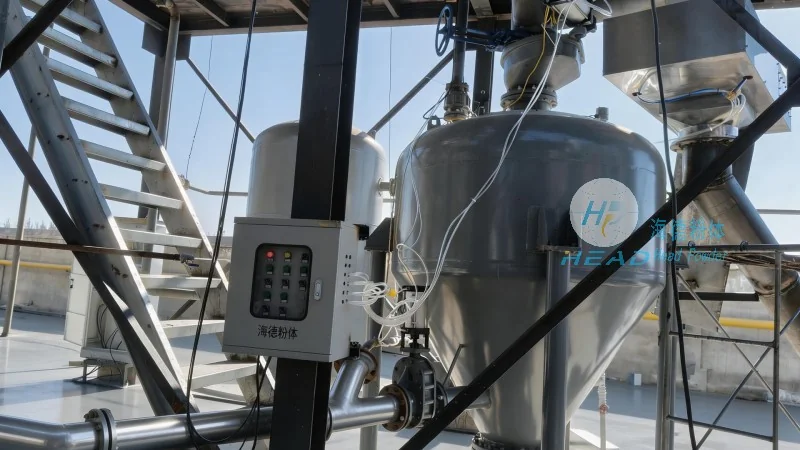
Before delving into the specifics of positive versus negative pressure, it's crucial to consider several overarching factors that affect the choice of a pneumatic conveying system. These include the physical properties of the material, the distance and layout of the conveying line, the required throughput, and environmental regulations. For potassium hydroxide, which is often in the form of fine powders or granules, the material's reactivity and moisture content can also play a role in system design. For instance, KOH is hygroscopic and can absorb moisture from the air, potentially leading to clumping or increased corrosion if not handled properly. Therefore, the system must be designed to minimize exposure to ambient air and maintain the material's integrity.
Positive pressure systems operate by blowing air or a carrier gas into the conveying line, creating a pressure higher than the ambient environment. This method is often preferred for transporting materials over longer distances or through complex piping networks. In the context of potassium hydroxide, positive pressure systems can be advantageous due to their ability to maintain a consistent flow rate and prevent material degradation. The pressurized environment also helps to keep the material dry and free from contaminants, which is vital for KOH, as moisture can lead to caking and reduced effectiveness. However, positive pressure systems require robust sealing and explosion-proof designs, especially when handling flammable or reactive materials like KOH. This is where companies like Shandong HeadPowder Engineering Co., Ltd. (referred to as HeadPowder) specialize in engineering solutions that meet stringent safety standards.
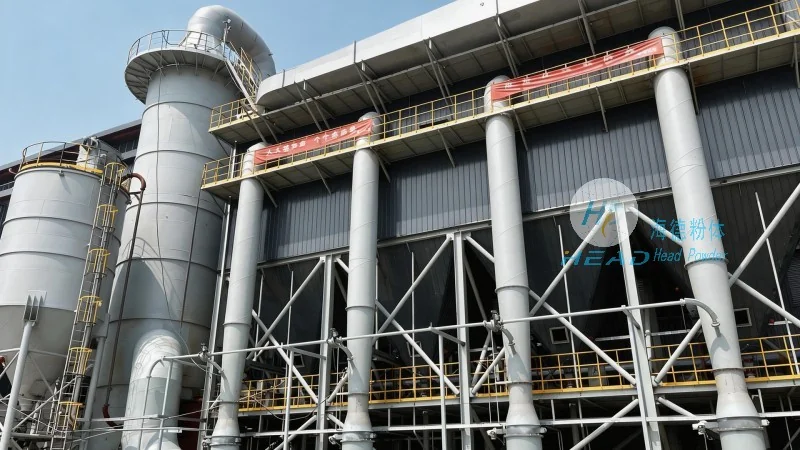
Negative pressure systems, also known as suction systems, operate by creating a vacuum in the conveying line, drawing material from the source into the system. This approach is typically used for shorter distances or when the material is to be collected from a hopper or silo. Negative pressure systems are often more cost-effective for low-volume applications and can be simpler to install. However, they are less efficient for long-distance conveying and may not be suitable for materials that are prone to dust explosions or require a dry environment. For potassium hydroxide, negative pressure systems may pose challenges due to the material's tendency to generate dust and its reactivity with moisture. The vacuum can also lead to increased air intake, potentially introducing contaminants or moisture into the system, which could affect the quality of the KOH being conveyed.
So, how can one effectively distinguish between positive and negative pressure pneumatic conveying for potassium hydroxide? The primary differentiator lies in the direction of air flow and the pressure differential. In positive pressure systems, air is forced into the line, pushing the material forward, while in negative pressure systems, air is drawn out, pulling the material. Another key distinction is the impact on the environment and material handling. Positive pressure systems are generally more suitable for outdoor applications or when the material needs to be protected from external contaminants, whereas negative pressure systems are better for indoor or enclosed environments where dust control is critical. Additionally, the system's design and maintenance requirements differ. Positive pressure systems may require more robust filtration and explosion-proof components, while negative pressure systems may need enhanced dust collection and air filtration to prevent contamination.
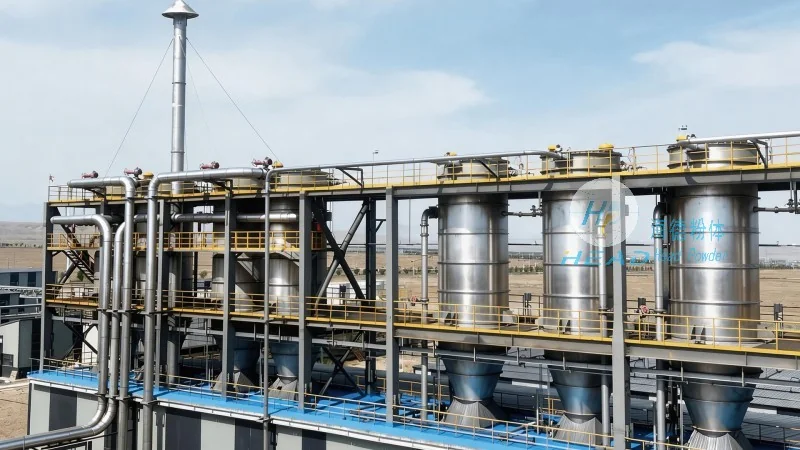
When selecting a pneumatic conveying system for potassium hydroxide, several factors must be weighed carefully. The first is the distance and layout of the conveying line. For short distances (typically under 50 meters), negative pressure systems may suffice, but for longer distances (over 100 meters), positive pressure systems are often more reliable. The second factor is the material's properties, such as particle size and moisture content. Fine powders of KOH may require a more gentle conveying method to prevent caking or loss of material, which positive pressure systems can offer by maintaining a consistent flow. The third factor is safety considerations. Since KOH is a corrosive and reactive chemical, the system must be designed to prevent leaks and ensure that any spills are contained. Positive pressure systems, with their sealed lines, offer better containment, reducing the risk of environmental exposure. Finally, the cost and maintenance requirements must be considered. While negative pressure systems may have lower initial costs, positive pressure systems may offer better long-term efficiency and reduced downtime due to fewer maintenance issues.
Choosing between positive and negative pressure pneumatic conveying for potassium hydroxide requires a thorough analysis of operational needs, material properties, and safety requirements. Positive pressure systems are generally more suitable for long-distance, high-volume applications and offer better material protection and containment. Negative pressure systems, on the other hand, are more appropriate for shorter distances and indoor applications where dust control is paramount. Companies like Shandong HeadPowder Engineering Co., Ltd. play a crucial role in providing tailored solutions that address these specific needs, ensuring that the pneumatic conveying system is optimized for the unique characteristics of potassium hydroxide. By carefully evaluating the factors discussed above, industries can make informed decisions that enhance operational efficiency, safety, and product quality in the handling of KOH.

 Shandong Headpowder Engineering Co., Ltd.
 156-6277-7102(Manager Zhang)
  0531-83386006
  Zhangqiu District, Jinan City, Shandong Province, China
telephone
WeChatconsult
top