With more than 10‑year industry experience, Shandong Headpowder delivers full‑service pneumatic‑conveying systems and blowers, undertaking nationwide turn‑key powder‑handling projects.
HeadPowder, a leading manufacturer in the field of material handling solutions, specializes in the design and production of advanced pneumatic conveying systems tailored for transporting bulk materials such as sawdust and husk. This article provides an overview of the sawdust and husk pneumatic conveying equipment, detailing its structural components and operational principles to help users understand its functionality and benefits.
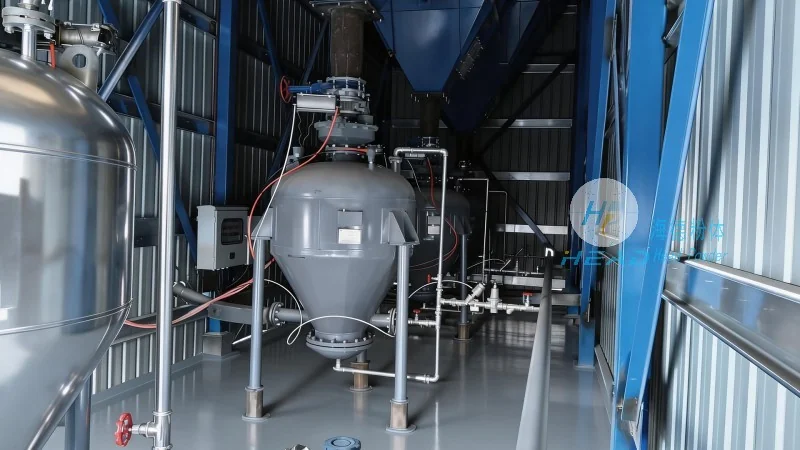
Shandong HeadPowder Engineering Co., Ltd., commonly known as HeadPowder, is a professional enterprise dedicated to the research, development, and manufacturing of pneumatic conveying equipment. With a strong focus on innovation and quality, the company has established itself as a trusted supplier in the industry. HeadPowder's headquarters is located in Shandong, China, where the company leverages local industrial resources and expertise to deliver high-performance solutions for various material handling challenges.
Pneumatic conveying systems are widely used for the efficient transport of light to medium-density bulk materials, including sawdust and husk, which are commonly generated in woodworking, agricultural, and food processing industries. These systems utilize compressed air or gas to move materials through a pipeline network, eliminating the need for mechanical components like belts or buckets. The sawdust and husk pneumatic conveying equipment offered by HeadPowder is specifically engineered to handle the unique characteristics of these materials, ensuring reliable and low-maintenance operation.
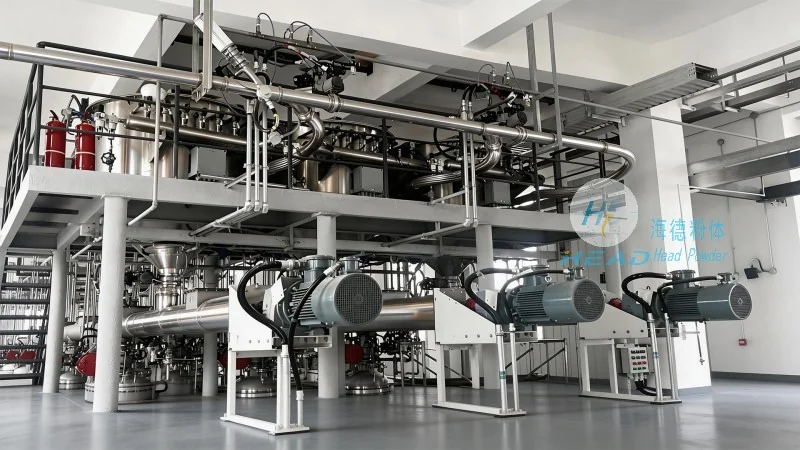
The sawdust and husk pneumatic conveying equipment consists of several key components that work in tandem to achieve efficient material transport. The primary components include the material inlet, air supply system, conveying pipeline, and discharge outlet. The material inlet is designed to accommodate the bulk material, often equipped with a hopper or feeder to control the flow rate and prevent blockages. The air supply system typically includes a blower or compressor that generates the necessary pressure to move the material through the pipeline. The conveying pipeline is made of durable materials, such as stainless steel or plastic, to withstand the abrasive nature of sawdust and husk. The discharge outlet is strategically positioned to deliver the material to the desired destination, with options for adjustable flow control.
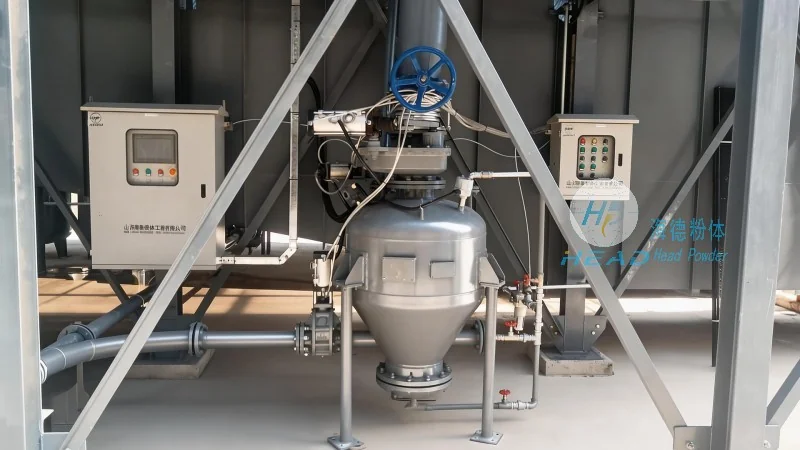
The operation of the sawdust and husk pneumatic conveying equipment is based on the principle of air suspension, where the material is suspended in a stream of air and transported through the pipeline. The process begins with the material being fed into the inlet, where it is mixed with the compressed air. The air flow creates a low-pressure zone that draws the material into the pipeline, maintaining a consistent flow. The conveying speed and pressure are carefully controlled to ensure that the material is transported without degradation or damage. The system can operate in both positive and negative pressure modes, depending on the application requirements. Positive pressure systems push the material through the pipeline, while negative pressure systems draw the material from the source. HeadPowder's equipment is designed to optimize these parameters for maximum efficiency and minimal energy consumption.

The sawdust and husk pneumatic conveying equipment from HeadPowder offers several advantages over traditional mechanical conveying methods. These include reduced labor costs, improved safety by eliminating the need for manual handling, and enhanced material quality by preventing contamination and degradation. The equipment is suitable for a wide range of applications, including the transport of sawdust from wood processing facilities to storage or processing areas, the movement of husk from agricultural operations to silos or processing plants, and the handling of other bulk materials in similar industries. The modular design of the system allows for easy integration into existing production lines and can be customized to meet specific operational requirements.
HeadPowder's sawdust and husk pneumatic conveying equipment represents a reliable and efficient solution for material handling in various industries. With its robust design, advanced technology, and comprehensive support, the company ensures that customers receive a product that meets their specific needs. Whether for new installations or upgrades to existing systems, HeadPowder provides tailored solutions that enhance productivity and reduce operational costs. For more information or to discuss specific requirements, please contact HeadPowder at their headquarters in Shandong, China.

 Shandong Headpowder Engineering Co., Ltd.
 156-6277-7102(Manager Zhang)
  0531-83386006
  Zhangqiu District, Jinan City, Shandong Province, China
telephone
WeChatconsult
top