With more than 10‑year industry experience, Shandong Headpowder delivers full‑service pneumatic‑conveying systems and blowers, undertaking nationwide turn‑key powder‑handling projects.
Your current position:首页 >> News >> Insights

Automatic Tote Bag Feeding Pneumatic Conveying Equipment: Introduction to Structure and Working Prin

Release time:2026-09-21 20:01:37
name of the company:Shandong Headpowder Engineering Co., Ltd.
telephone:156-6277-7102
contacts:Manager Zhang

HeadPowder, a leading manufacturer based in Shandong, China, specializes in the design and production of advanced pneumatic conveying systems. This article provides an overview of the automatic tote bag feeding pneumatic conveying equipment, focusing on its structural design and operational principles.
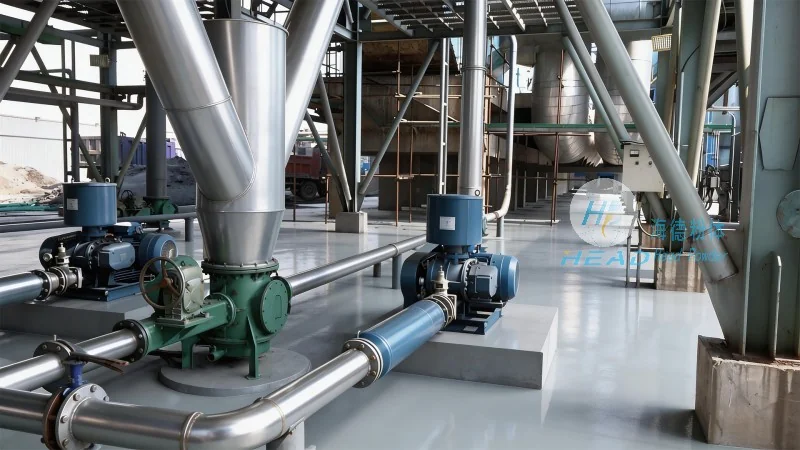
Automatic Tote Bag Feeding Pneumatic Conveying Equipment: Introduction to Structure and Working Principle

Overview of the Automatic Tote Bag Feeding Pneumatic Conveying System

The automatic tote bag feeding pneumatic conveying equipment is a sophisticated system engineered to efficiently transfer bulk materials from tote bags into processing or storage facilities. This equipment integrates automated feeding mechanisms with pneumatic conveying technology, ensuring seamless and reliable material handling. The system is particularly suitable for industries dealing with dry powders, granules, or other bulk solids that require consistent and dust-free transfer.

Key Structural Components and Their Functions

The automatic tote bag feeding system comprises several critical components, each playing a vital role in the overall operation. The main structural elements include:
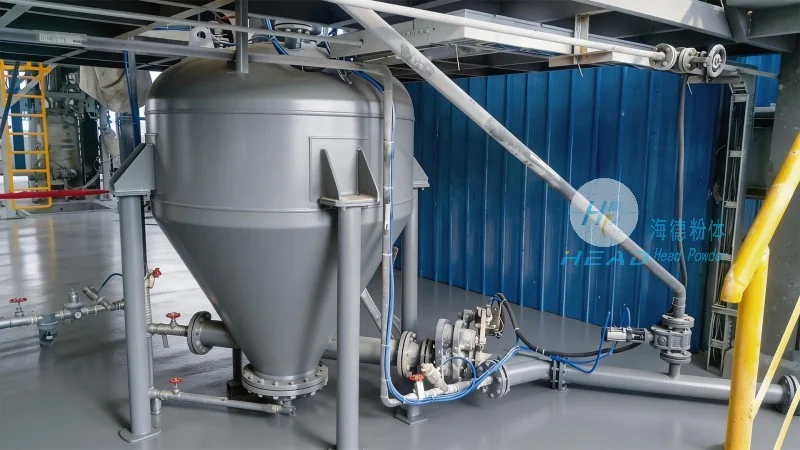
Automatic Tote Bag Feeding Pneumatic Conveying Equipment: Introduction to Structure and Working Principle

  • Tote Bag Hopper: This component is designed to receive and hold the bulk material from the tote bag. It features a sloped bottom and a discharge valve that allows controlled material release into the conveying line.
  • Airlock Valve: The airlock valve acts as a gate between the hopper and the pneumatic conveyor. It ensures that material is discharged in a controlled manner, preventing backflow and maintaining a consistent flow rate.
  • Pneumatic Conveying Line: This is the core of the system, consisting of a pipeline through which compressed air and material are transported. The line is equipped with appropriate fittings, such as elbows and tees, to direct the flow and maintain system efficiency.
  • Receiver Tank: The receiver tank collects the conveyed material and stores it until it is transferred to the next processing stage. It is designed to handle varying material volumes and maintain a stable pressure environment.
  • Control System: The control system manages the entire operation, including material feeding, air pressure regulation, and system safety features. It ensures that the equipment operates within optimal parameters and responds to any operational changes.

Working Principle of the Pneumatic Conveying Process

The operation of the automatic tote bag feeding pneumatic conveying equipment follows a systematic process that ensures efficient material transfer. The key steps are as follows:
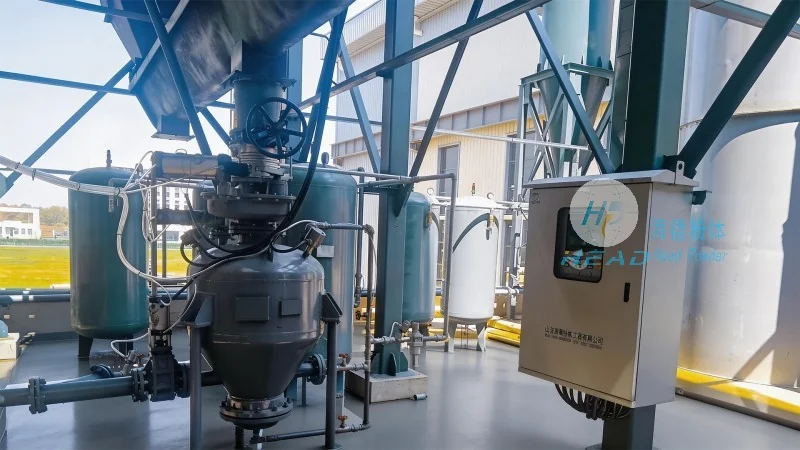
Automatic Tote Bag Feeding Pneumatic Conveying Equipment: Introduction to Structure and Working Principle

  1. Material Loading: The bulk material is loaded into the tote bag, which is then positioned under the tote bag hopper. The hopper's discharge valve is opened, allowing the material to flow into the hopper.
  2. Air Compression: Compressed air is supplied to the pneumatic conveying line. The air pressure is regulated to an appropriate level, typically between 0.5 to 1.0 MPa, depending on the material characteristics and system design.
  3. Material Conveying: As the air flows through the conveying line, it creates a low-pressure environment that draws the material from the hopper into the air stream. The material is then transported through the pipeline to the receiver tank.
  4. Material Discharge: Once the material reaches the receiver tank, the air pressure is reduced, causing the material to settle and accumulate. The receiver tank can then be emptied into the next processing equipment or storage container.
  5. System Reset: After the material transfer is complete, the system resets by closing the airlock valve, stopping the air supply, and preparing for the next tote bag loading cycle.

Advantages of the Automatic Tote Bag Feeding Pneumatic Conveying Equipment

Implementing this equipment offers several advantages for industrial applications. Firstly, it enhances operational efficiency by automating the material feeding process, reducing manual labor and minimizing downtime. Secondly, the pneumatic conveying method ensures a dust-free and hygienic transfer, which is crucial for industries such as food, pharmaceuticals, and chemicals. Thirdly, the system provides precise control over material flow rates, allowing for consistent product quality and process stability. Additionally, the compact design of the equipment makes it suitable for installation in limited spaces, and the modular components facilitate easy maintenance and repairs.
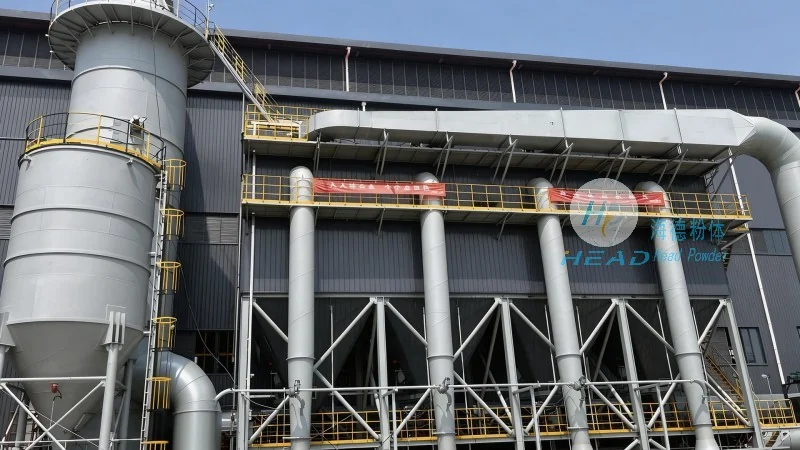
Automatic Tote Bag Feeding Pneumatic Conveying Equipment: Introduction to Structure and Working Principle

Applications and Industries

The automatic tote bag feeding pneumatic conveying equipment is widely used across various industries due to its versatility and efficiency. Some common applications include:

  • Food and Beverage Industry: Transferring dry ingredients like flour, sugar, and spices from tote bags to mixing or packaging lines.
  • Pharmaceutical Industry: Handling powders and granules in a sterile and controlled environment, ensuring product purity and safety.
  • Chemical Industry: Conveying bulk chemicals, such as powders and granules, from storage to processing equipment.
  • Plastics and Rubber Industry: Transferring raw materials like resin and rubber powders to extrusion or molding machines.
  • Mineral and Mining Industry: Conveying bulk minerals and ores from tote bags to processing facilities.

Conclusion

HeadPowder's automatic tote bag feeding pneumatic conveying equipment represents a cutting-edge solution for efficient bulk material handling. By integrating advanced structural design and operational principles, this system ensures reliable, dust-free, and automated material transfer. With its robust construction and precise control capabilities, it is an ideal choice for industries seeking to enhance productivity and maintain product quality. Based in Shandong, China, HeadPowder continues to innovate and provide high-quality equipment tailored to the specific needs of its clients.

recommend

Copyright © Shandong Headpowder Engineering Co., Ltd.    营业执照公示 网站地图

top
