With more than 10‑year industry experience, Shandong Headpowder delivers full‑service pneumatic‑conveying systems and blowers, undertaking nationwide turn‑key powder‑handling projects.
HeadPowder, a leading provider in the field, offers advanced nitrogen protective pneumatic conveying equipment designed to meet the stringent requirements of modern industrial applications. This equipment is engineered to ensure the safe and efficient transport of materials while maintaining an inert atmosphere, which is crucial for processes where oxidation or contamination must be prevented. The system integrates robust components that work in harmony to deliver reliable performance across various industries.
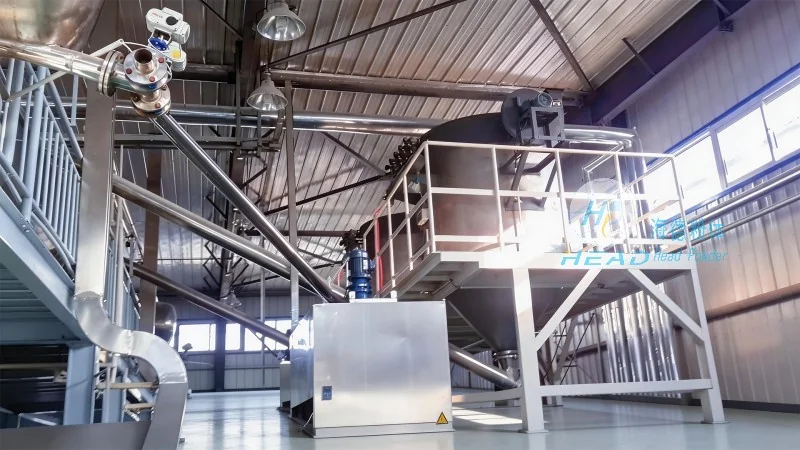
The nitrogen protective pneumatic conveying system from Shandong HeadPowder Engineering Co., Ltd. comprises several critical components, each playing a vital role in the overall operation. The primary components include the material feed hopper, which holds the bulk material; the air compressor or blower, responsible for generating the necessary airflow; the conveying line, which transports the material; and the receiver or discharge hopper, where the material is deposited. Additionally, the system features a nitrogen gas supply unit that maintains the protective atmosphere within the conveying line, preventing exposure to ambient air and ensuring material integrity.
The operation of the nitrogen protective pneumatic conveying equipment follows a systematic process. Initially, the material is fed into the hopper from a storage silo or other bulk handling equipment. The air compressor then generates a high-pressure airflow that is directed into the conveying line. As the air flows through the line, it entrains the material particles, forming a slurry or suspension that is carried through the system. The nitrogen gas is introduced at strategic points to maintain an inert environment, which is essential for sensitive materials such as powders, granules, or fine particles that are prone to oxidation or degradation.
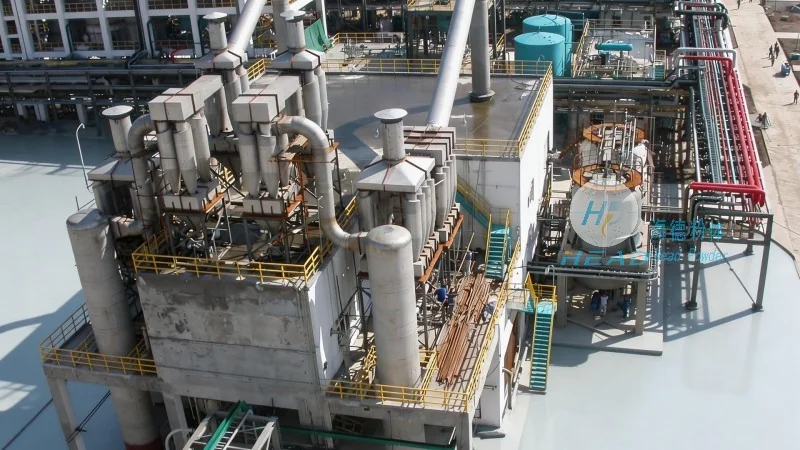
Employing nitrogen protective pneumatic conveying equipment offers numerous benefits for industrial operations. Firstly, it provides a contamination-free environment, as the inert atmosphere prevents the introduction of moisture, oxygen, or other contaminants that could affect the quality of the material. Secondly, the system enhances material handling efficiency by reducing downtime and increasing throughput compared to traditional methods like belt conveyors or bucket elevators. Thirdly, the equipment is designed for versatility, allowing it to handle a wide range of materials, from fine powders to bulk granules, with minimal maintenance requirements. Furthermore, the use of nitrogen gas ensures compliance with safety regulations and environmental standards, making it an ideal choice for industries such as pharmaceuticals, food processing, and chemical manufacturing.
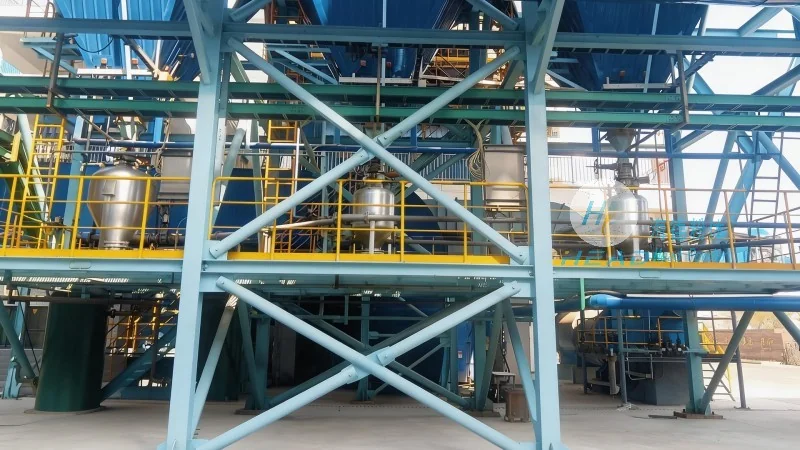
The nitrogen protective pneumatic conveying equipment from Shandong HeadPowder Engineering Co., Ltd. is widely used across various sectors where material integrity and process safety are paramount. In the pharmaceutical industry, for example, the system is employed to transport active pharmaceutical ingredients (APIs) and excipients, ensuring that the products remain sterile and free from contamination. In the food processing sector, it is used to handle powders like flour, sugar, and spices, maintaining the freshness and quality of the ingredients. The chemical industry also benefits from this technology, as it allows for the safe conveyance of reactive chemicals and fine powders, minimizing the risk of explosions or fires. Additionally, in the mining and mineral processing industries, the equipment is utilized to transport ore and other bulk materials, improving operational efficiency and reducing labor costs.
Proper installation and regular maintenance are essential to ensure the optimal performance and longevity of the nitrogen protective pneumatic conveying equipment. The system should be installed in a well-ventilated area, with adequate space for access to all components for inspection and repair. Regular checks should be performed on the air compressor, conveying line, and nitrogen gas supply unit to ensure they are functioning within specified parameters. Filters and separators should be cleaned or replaced as needed to prevent clogging and maintain airflow efficiency. Additionally, the material feed hopper and discharge hopper should be inspected for any signs of wear or damage, as these components are critical to the smooth operation of the system. By adhering to a regular maintenance schedule, users can maximize the equipment's lifespan and minimize downtime, ensuring consistent and reliable material handling.

 Shandong Headpowder Engineering Co., Ltd.
 156-6277-7102(Manager Zhang)
  0531-83386006
  Zhangqiu District, Jinan City, Shandong Province, China
telephone
WeChatconsult
top