With more than 10‑year industry experience, Shandong Headpowder delivers full‑service pneumatic‑conveying systems and blowers, undertaking nationwide turn‑key powder‑handling projects.
HeadPowder, a leading manufacturer based in Shandong, China, specializes in the design and production of advanced pneumatic conveying systems tailored for grain storage and handling applications. This article provides an overview of the key components, operational principles, and practical applications of grain silo pneumatic conveying equipment, highlighting the engineering excellence and technical sophistication that define the company's offerings.
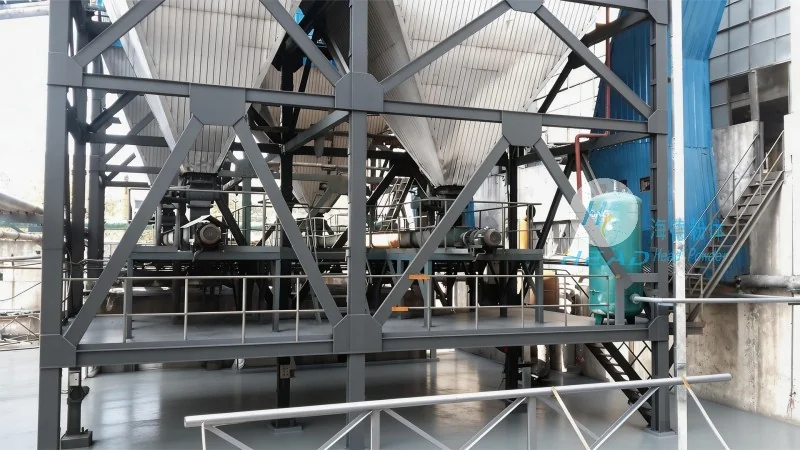
Pneumatic conveying systems are essential for efficiently transporting bulk materials like grains, cereals, and other agricultural products within grain silos and processing facilities. Unlike traditional mechanical conveyors, these systems utilize air pressure to move materials through a network of pipes, offering advantages such as reduced labor costs, minimized material degradation, and enhanced safety in handling delicate or dusty products. The technology has become a cornerstone of modern grain handling operations, enabling seamless integration between storage, processing, and distribution stages.
The structural design of a pneumatic conveying system for grain silos typically comprises several critical components, each playing a vital role in the overall functionality. The primary elements include a feed hopper or material feeder, which ensures a consistent and controlled supply of grain into the system. This component often features adjustable valves and flow meters to regulate the material feed rate, preventing overloading or underfeeding that could disrupt the conveying process.
Next, the system incorporates a conveying pipeline network, which may consist of rigid metal pipes or flexible hoses, depending on the specific application and material characteristics. The pipeline is designed to withstand the pressure and flow rates required for efficient material transport, with appropriate fittings and elbows to facilitate smooth directional changes. In many systems, the pipeline includes airlocks or seal valves at critical junctions to prevent backflow and maintain the integrity of the conveying process.
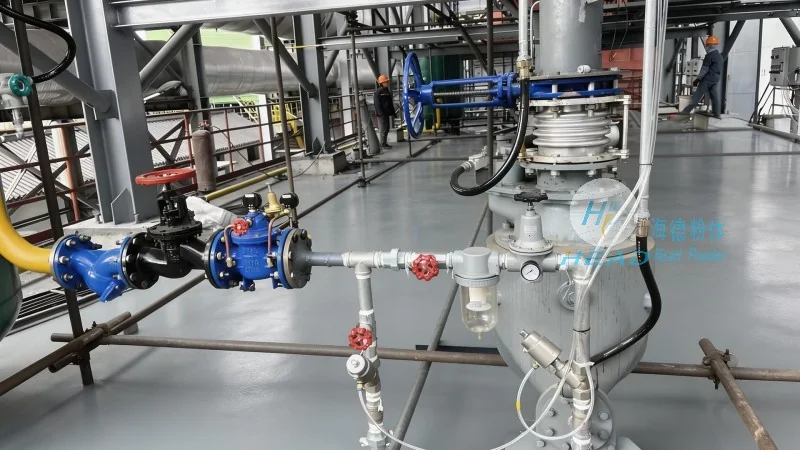
A crucial component for separating the conveyed material from the air is the separator or cyclone. This device uses centrifugal force to separate the solid grain particles from the air stream, allowing the air to be recirculated or vented while the grain is collected in a discharge hopper. The separator's design, including its diameter, angle, and internal baffles, is optimized to maximize separation efficiency and minimize particle loss.
Additionally, the system may include a filter or dust collector to capture any fine dust or particles that escape the separator, ensuring compliance with environmental regulations and maintaining air quality in the facility. This component typically features a bag filter or cartridge system that can be cleaned or replaced as needed to maintain performance.
The operational principle of a pneumatic conveying system for grain silos revolves around the creation of a pressure differential between the inlet and outlet of the conveying line. In an aspiration (or suction) system, a vacuum is generated at the receiving end (e.g., the silo outlet), drawing the grain and air mixture through the pipeline to the discharge point. This method is ideal for applications where the material needs to be moved from a lower elevation or where the source is located at a distance from the processing area.
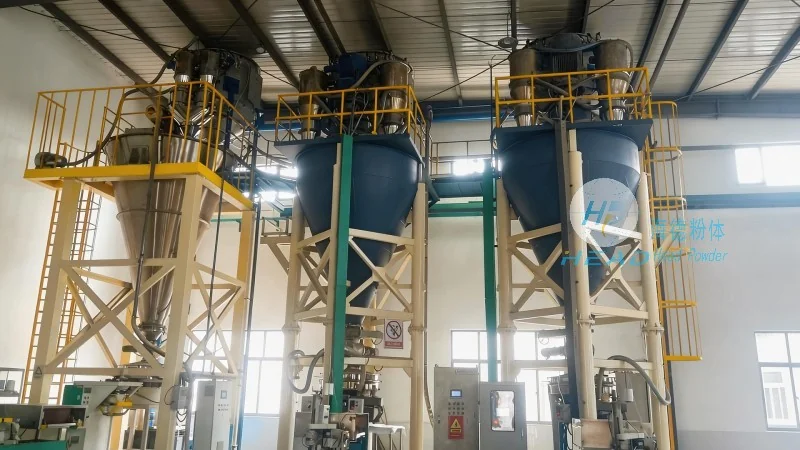
In contrast, a compression (or pressure) system uses a blower or compressor to generate positive pressure at the feed end, pushing the grain and air mixture through the pipeline to the discharge point. This approach is commonly used when the material must be transported to a higher elevation or over longer distances, as the positive pressure helps maintain the flow and prevents air leakage.
Both systems rely on the interaction between the material and the air stream to achieve efficient transport. The air velocity within the pipeline is carefully controlled to ensure that the grain particles remain suspended without causing excessive wear on the system components. The design of the feed hopper and the type of material feeder (e.g., rotary valve, star feeder) are critical in maintaining a consistent flow rate, as fluctuations can lead to blockages or uneven conveying.
Grain silo pneumatic conveying equipment is widely used in various agricultural and food processing industries, serving a range of applications from bulk storage and transfer to packaging and distribution. In grain storage facilities, these systems enable the efficient movement of harvested grains from the silo to processing lines, such as cleaning, drying, or milling operations. The ability to handle large volumes of material quickly and with minimal human intervention makes pneumatic conveying an attractive solution for modern grain handling operations.
One of the key benefits of pneumatic conveying systems is their ability to handle a wide variety of grain types, including wheat, corn, soybeans, and other cereals, without causing damage to the product. The gentle handling provided by the air stream reduces breakage and dust generation, which is particularly important for high-value grains or those intended for human consumption. Additionally, the enclosed nature of the system helps maintain hygiene standards, preventing contamination from external sources.
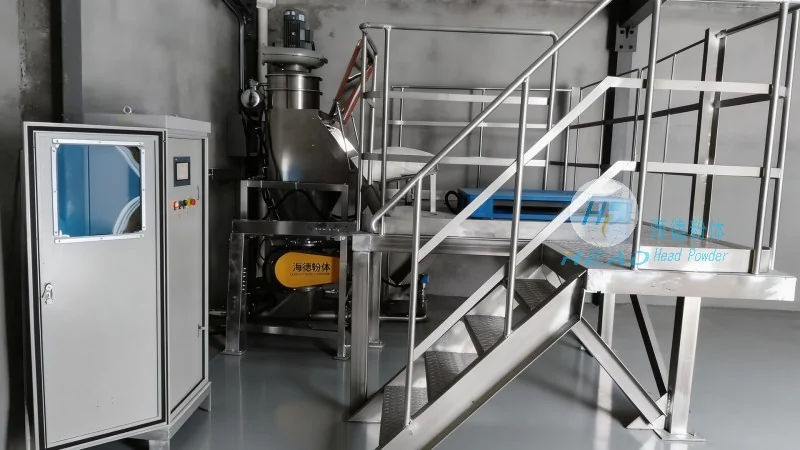
From an operational perspective, pneumatic conveying systems offer significant advantages in terms of space efficiency and flexibility. Unlike traditional belt or bucket elevators, which require dedicated vertical or horizontal space, pneumatic systems can be installed in a variety of configurations, including overhead or underground pipelines, to fit within existing facility layouts. This adaptability allows for the integration of conveying lines around other equipment or structural elements, maximizing the use of available space.
Another advantage is the reduced maintenance requirements compared to mechanical conveyors. The absence of moving parts in the pipeline (other than the feed hopper and separator) minimizes wear and tear, resulting in lower maintenance costs and longer system lifespans. However, regular inspection of the separator and filter components is essential to ensure optimal performance and prevent clogging or blockages.
HeadPowder Engineering Co., Ltd., based in Shandong, China, is a trusted provider of high-quality pneumatic conveying systems for grain silos. By combining advanced engineering design with rigorous quality control, the company delivers solutions that meet the specific needs of agricultural and food processing industries. The structural integrity, operational efficiency, and reliability of their equipment ensure that grain handling operations run smoothly, reducing downtime and maximizing productivity. For businesses seeking to enhance their grain storage and processing capabilities, HeadPowder's pneumatic conveying systems represent a reliable and effective investment.

 Shandong Headpowder Engineering Co., Ltd.
 156-6277-7102(Manager Zhang)
  0531-83386006
  Zhangqiu District, Jinan City, Shandong Province, China
telephone
WeChatconsult
top