With more than 10‑year industry experience, Shandong Headpowder delivers full‑service pneumatic‑conveying systems and blowers, undertaking nationwide turn‑key powder‑handling projects.
HeadPowder, a leading manufacturer based in Shandong, China, specializes in the design, development, and implementation of advanced pneumatic conveying systems tailored for handling silicon carbide materials. This article provides a detailed overview of the operation process and working principles of such systems, highlighting the technical aspects and practical applications that ensure efficient material transport in industrial settings.
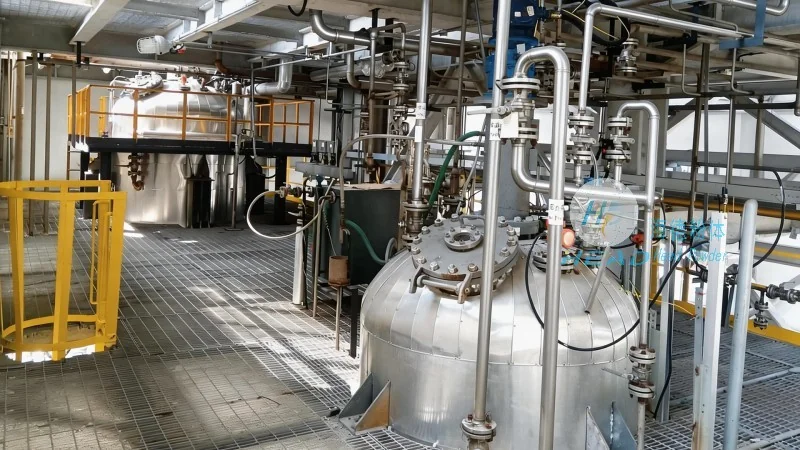
Pneumatic conveying systems utilize air or gas as the primary medium to transport bulk materials, such as silicon carbide, from one location to another. The core principle involves creating a pressure differential that propels the material through a pipeline. For silicon carbide, which is known for its high hardness and abrasive properties, the system design must account for these characteristics to prevent equipment wear and ensure reliable operation. The working principle typically involves either positive pressure or negative pressure (or a combination of both) to move the material. In positive pressure systems, air is forced into the conveying line, pushing the material forward. Negative pressure systems, on the other hand, create a vacuum that draws the material into the line. The choice of system depends on factors like material properties, distance, and the need for dust control.
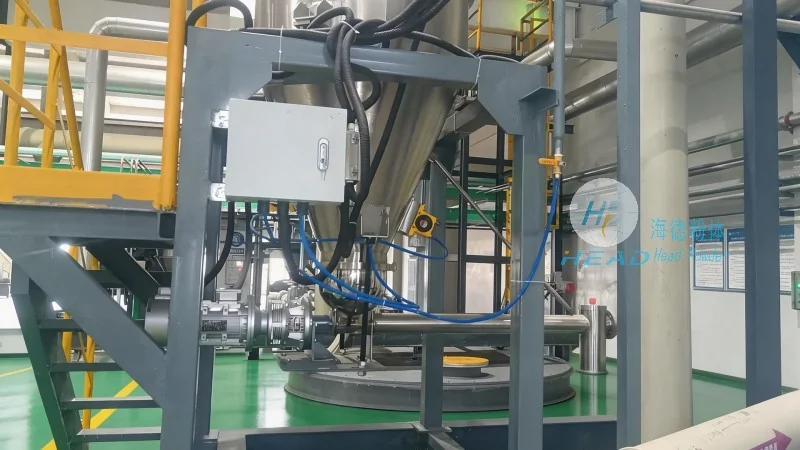
The pneumatic conveying line for silicon carbide consists of several critical components, each playing a vital role in the overall operation. These include the material feed hopper, which stores and meters the silicon carbide, the air compressor or vacuum pump that generates the necessary pressure or vacuum, the conveying pipeline, and the discharge hopper or receiver. The feed hopper is equipped with a metering valve to control the flow rate of the material, ensuring consistent and controlled feeding. The air compressor or vacuum pump provides the energy to move the material through the pipeline. The pipeline is typically made of durable materials like stainless steel or special alloys to withstand the abrasive nature of silicon carbide. The discharge hopper collects the material at the end of the line and may include a dust collection system to minimize emissions and maintain a clean working environment.
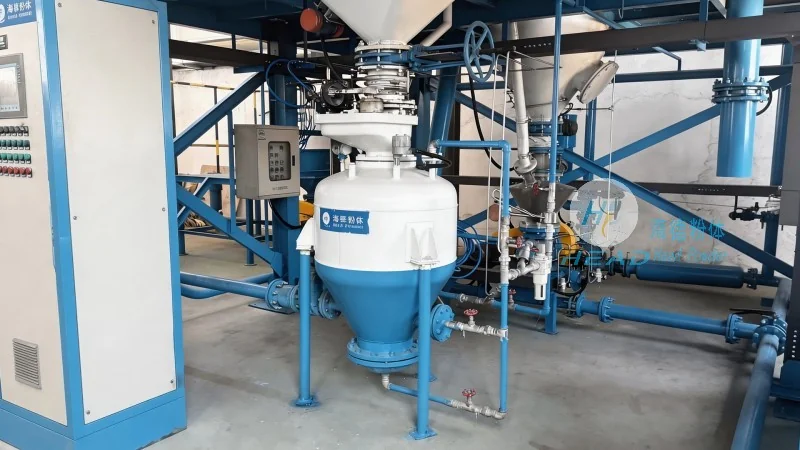
The operation of the silicon carbide pneumatic conveying line follows a systematic process that ensures efficient and safe material transport. The process begins with the loading of silicon carbide into the feed hopper. The metering valve then regulates the flow of material into the conveying line. Simultaneously, the air compressor or vacuum pump starts operating, creating the required pressure or vacuum. The material is then entrained by the air stream and carried through the pipeline to the discharge hopper. At the receiving end, the material is deposited into the discharge hopper, where it can be further processed or stored. The system may also include control mechanisms to monitor pressure, flow rate, and material level, allowing for real-time adjustments to maintain optimal performance. Regular maintenance of the components, such as cleaning the pipeline and replacing worn parts, is essential to prevent downtime and ensure long-term reliability.
Implementing a pneumatic conveying system for silicon carbide offers several advantages over traditional methods like belt conveyors or bucket elevators. One of the primary benefits is the ability to handle abrasive and high-density materials without significant wear on the equipment. The enclosed pipeline design minimizes dust emissions, improving workplace safety and environmental compliance. Additionally, pneumatic conveying systems can transport materials over longer distances with fewer transfer points, reducing the need for multiple handling steps. The flexibility of the system allows for easy integration with existing production lines and can be adapted to handle varying material flow rates. These advantages make pneumatic conveying an ideal solution for industries that require efficient, safe, and reliable transport of silicon carbide.
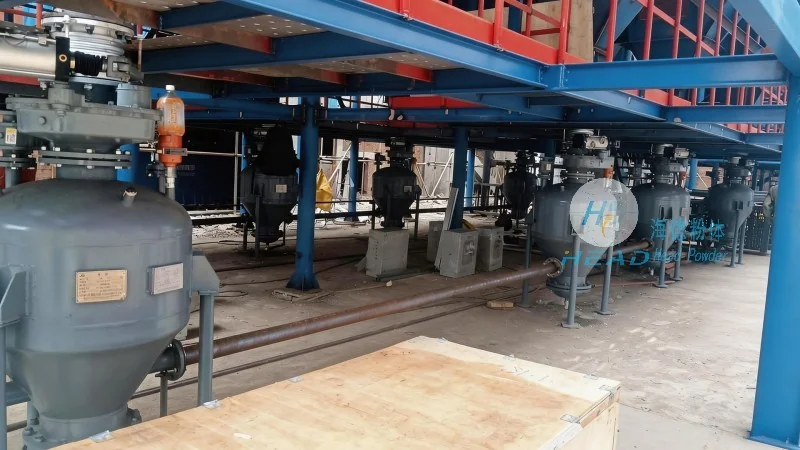
Shandong HeadPowder Engineering Co., Ltd., with its headquarters in Shandong, China, is a trusted partner in the design and implementation of pneumatic conveying systems for silicon carbide applications. The company leverages years of experience and technical expertise to develop customized solutions that meet the specific needs of each client. By understanding the unique properties of silicon carbide, such as its particle size distribution, density, and abrasiveness, HeadPowder engineers design systems that optimize performance and minimize operational costs. The company's commitment to quality and reliability is reflected in the use of high-grade materials and rigorous testing procedures for all components. Clients benefit from comprehensive support, including installation, commissioning, and ongoing maintenance services, ensuring that the pneumatic conveying line operates at peak efficiency throughout its lifecycle. With a focus on innovation and customer satisfaction, HeadPowder continues to set industry standards for silicon carbide material handling solutions.

 Shandong Headpowder Engineering Co., Ltd.
 156-6277-7102(Manager Zhang)
  0531-83386006
  Zhangqiu District, Jinan City, Shandong Province, China
telephone
WeChatconsult
top