With more than 10‑year industry experience, Shandong Headpowder delivers full‑service pneumatic‑conveying systems and blowers, undertaking nationwide turn‑key powder‑handling projects.
For industrial applications involving catalyst powders, efficient and reliable transportation is crucial to ensure process consistency and operational efficiency. This document provides a comprehensive overview of catalyst powder conveying systems, focusing on their structural design and operational principles. The systems are engineered to handle fine powders with precision, addressing challenges such as dust control, material flow uniformity, and system durability. By understanding the core components and functional mechanisms, users can appreciate how these systems contribute to safe and effective catalyst handling in various industrial settings.
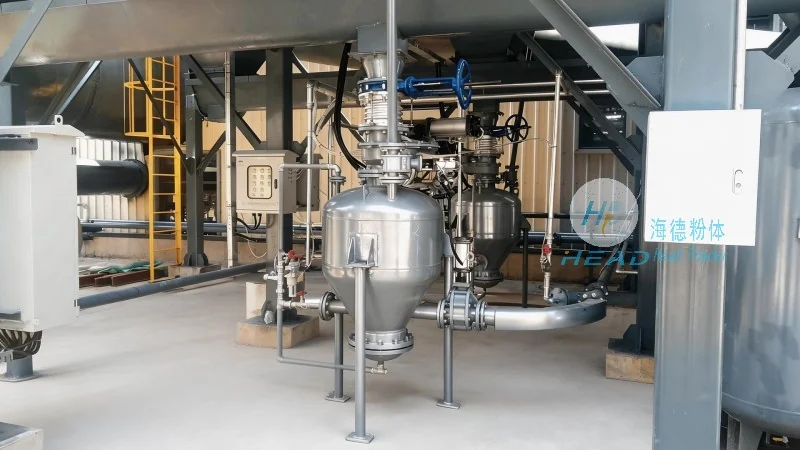
The catalyst powder conveying system typically consists of several integrated components that work in concert to transport powders from a source to a destination. The primary elements include a feeding mechanism, a conveying device, a control unit, and a discharge system. The feeding mechanism, often a hopper or a rotary valve, ensures a steady and controlled flow of catalyst powder into the system. This component is critical for preventing material bridging or blockages, which can disrupt the conveying process. The conveying device, which may be a pneumatic conveyor, screw conveyor, or belt conveyor, is selected based on the specific characteristics of the catalyst powder, such as particle size, density, and moisture content. Pneumatic systems, for instance, use air pressure to move powders through pipes, while screw or belt conveyors rely on mechanical motion to transport materials. The control unit, usually a programmable logic controller (PLC), monitors and regulates the flow rate, pressure, and other parameters to maintain optimal operation. Finally, the discharge system, which may include a rotary valve or a metering device, controls the release of the catalyst powder at the destination, ensuring accurate dosing and preventing spillage.
The operation of a catalyst powder conveying system is based on the principles of material transport, which can be categorized into pneumatic, mechanical, or hybrid systems. Pneumatic conveying systems utilize compressed air to create a flow of powder within a closed pipeline. The air pressure generates a drag force that lifts and moves the powder particles, allowing for long-distance transport with minimal maintenance. The system typically includes a blower, a filter, and a receiver, where the powder is collected. Mechanical conveying systems, such as screw or belt conveyors, rely on the physical movement of a conveyor element to transport the powder. Screw conveyors use a rotating screw to push the material forward, while belt conveyors use a moving belt to carry the powder. These systems are often preferred for handling bulk quantities of catalyst powder due to their high capacity and low energy consumption. Hybrid systems combine both pneumatic and mechanical components to leverage the advantages of each, providing flexibility in handling different powder characteristics and operational requirements.
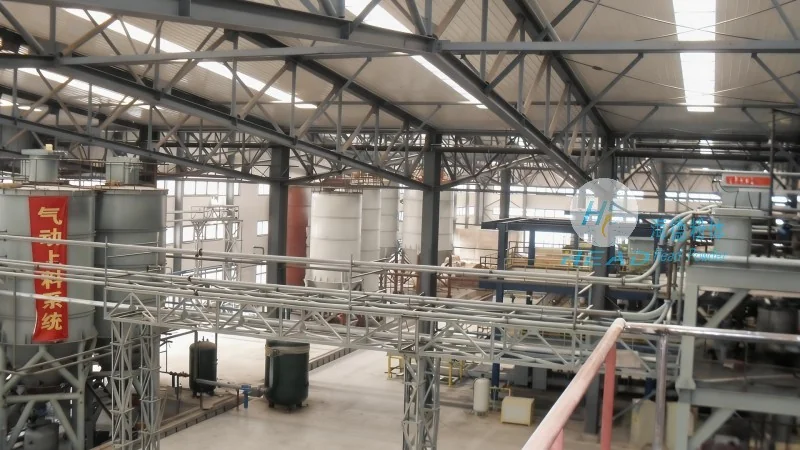
The structural design of a catalyst powder conveying system is tailored to meet the specific demands of the application, ensuring safety, efficiency, and longevity. Key design considerations include material selection, system layout, and integration with existing infrastructure. The components are typically constructed from materials such as stainless steel, which offers corrosion resistance and durability, especially when handling catalyst powders that may be acidic or abrasive. The system layout is designed to minimize the risk of dust emissions and to facilitate easy maintenance and cleaning. For example, the use of sealed hoppers and enclosed conveying lines helps to contain dust and prevent environmental contamination. Additionally, the system is integrated with dust collection and filtration systems to ensure compliance with environmental regulations. The control panel is strategically placed for easy access, allowing operators to monitor and adjust system parameters as needed. The overall design emphasizes modularity, enabling easy expansion or modification of the system to accommodate changing production needs.
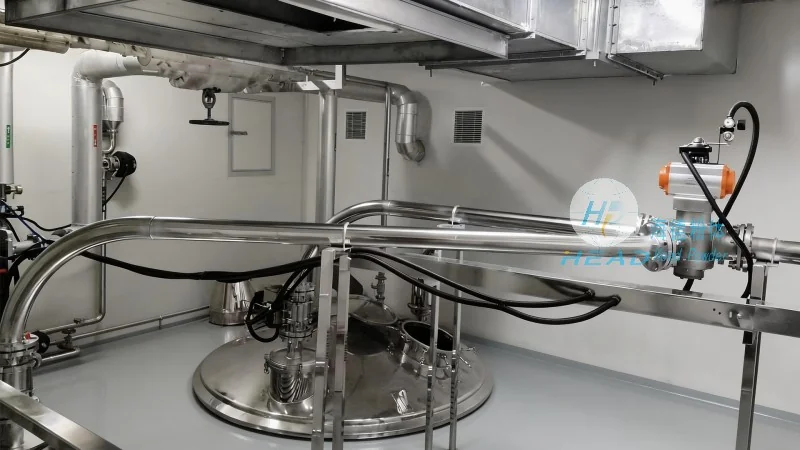
Catalyst powder conveying systems are widely used in various industrial sectors, including chemical manufacturing, pharmaceuticals, and petrochemicals. In chemical plants, these systems are essential for transporting catalyst powders to reactors, ensuring consistent reaction rates and product quality. In pharmaceutical production, the systems help maintain the purity and integrity of catalyst powders, which are critical for drug synthesis. The benefits of using these systems include improved process control, reduced downtime due to maintenance, and enhanced safety through dust containment. By maintaining a consistent flow of catalyst powder, the systems contribute to higher productivity and lower operational costs. Furthermore, the use of advanced control technologies allows for real-time monitoring and adjustment, optimizing the conveying process and minimizing waste. The systems also help in adhering to regulatory standards, as they provide a controlled environment for handling hazardous materials.
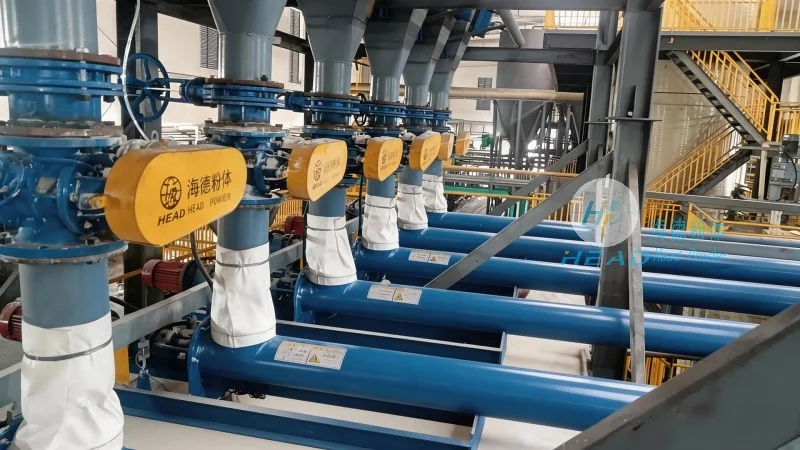
Shandong HeadPowder Engineering Co., Ltd., operating under the brand name headpowder, is a leading manufacturer of catalyst powder conveying systems. The company specializes in designing and manufacturing customized solutions tailored to the unique requirements of industrial clients. With a strong focus on innovation and quality, headpowder has established itself as a trusted partner in the field of powder handling technology. The company's headquarters is located in Shandong, China, where its state-of-the-art manufacturing facilities and research and development centers are based. The team of engineers and technicians at headpowder brings extensive experience in powder technology, ensuring that each system is engineered to meet the highest standards of performance and reliability. The company's commitment to customer satisfaction is reflected in its comprehensive after-sales support, including installation, training, and maintenance services. By leveraging advanced manufacturing techniques and rigorous quality control processes, headpowder delivers systems that are durable, efficient, and cost-effective, helping clients achieve their production goals while maintaining safety and compliance.
In summary, catalyst powder conveying systems play a vital role in industrial operations by enabling the efficient and safe transport of catalyst powders. The systems are designed with a combination of structural components and operational principles that ensure optimal performance. By understanding the key elements and working mechanisms, users can appreciate the importance of these systems in maintaining process efficiency and product quality. As a leading provider in the industry, Shandong HeadPowder Engineering Co., Ltd. continues to innovate and deliver high-quality solutions that meet the evolving needs of its clients. The company's expertise in powder handling technology ensures that its systems are reliable, durable, and tailored to the specific requirements of each application, contributing to the success of industrial operations worldwide.

 Shandong Headpowder Engineering Co., Ltd.
 156-6277-7102(Manager Zhang)
  0531-83386006
  Zhangqiu District, Jinan City, Shandong Province, China
telephone
WeChatconsult
top