With more than 10‑year industry experience, Shandong Headpowder delivers full‑service pneumatic‑conveying systems and blowers, undertaking nationwide turn‑key powder‑handling projects.
Shandong HeadPowder Engineering Co., Ltd., commonly known as headpowder, is a professional manufacturer specializing in the design, development, and production of bulk material handling equipment for silos. The company is based in Shandong, China, and has established a solid reputation in the industry for its reliable and efficient solutions for powder and granular material transport. This document provides an overview of the key equipment used in silo systems, focusing on the structural principles and operational mechanisms that enable effective material handling.
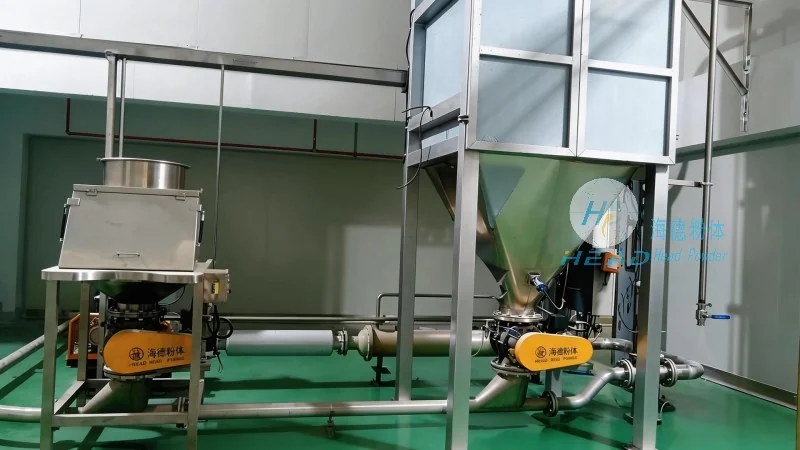
The equipment designed for silo bulk material handling plays a critical role in industrial processes that involve the storage and transportation of powders, granules, and other bulk materials. These systems are essential for maintaining the flow of materials from storage silos to processing or packaging units, ensuring smooth operations and minimizing downtime. The primary components of such systems typically include silos, conveyors, feeders, and control mechanisms, all working in concert to achieve efficient material movement. The design of these components is tailored to the specific characteristics of the materials being handled, such as particle size, density, and flowability, to ensure optimal performance and safety.
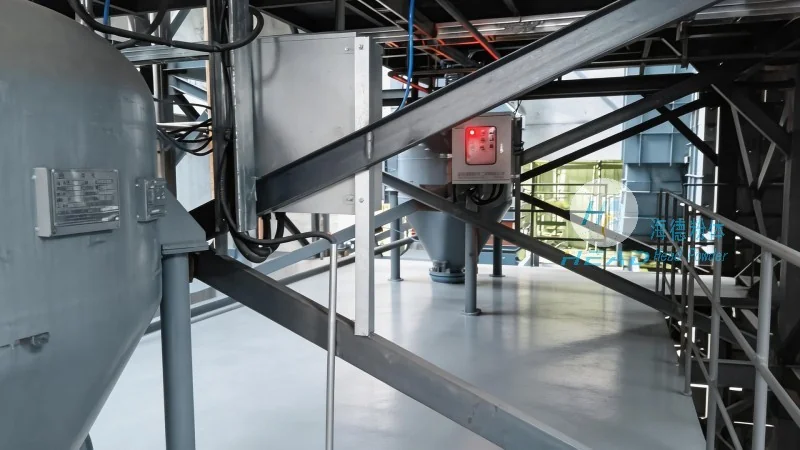
The structural design of silo bulk material handling equipment is built on fundamental engineering principles that address the unique challenges of handling bulk materials. One of the core components is the silo itself, which is typically constructed from durable materials like steel or concrete to withstand the weight and pressure of stored materials. The silo's shape and dimensions are carefully engineered to promote proper material flow and prevent issues like bridging or caking, which can disrupt the handling process. Adjacent to the silo, conveyor systems are integrated to transport materials from the storage vessel to the next stage of the process. These conveyors may include screw conveyors, belt conveyors, or pneumatic systems, each with its own advantages depending on the material properties and operational requirements.
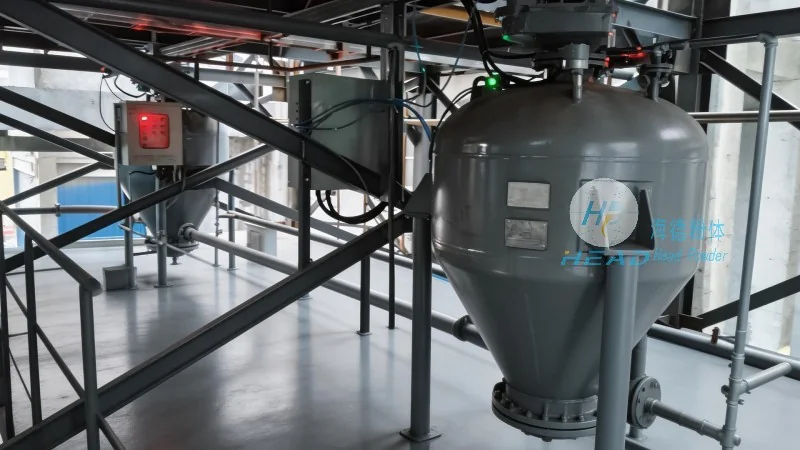
Within the silo bulk material handling system, several key components contribute to the overall functionality. The feeder, often located at the bottom of the silo, is responsible for controlling the discharge rate of materials. It may be a rotary valve, a gate valve, or a more complex feeding mechanism, depending on the material's flow characteristics. The conveyor system, which can be mechanical or pneumatic, moves the material from the silo to the processing area. Mechanical conveyors, such as screw or belt conveyors, rely on physical contact with the material to transport it, while pneumatic systems use air pressure to create a flow of material through pipes. The control system, which may include sensors and automation technology, monitors the flow rate, pressure, and other parameters to ensure the equipment operates within safe and efficient limits.
The operational mechanisms of silo bulk material handling equipment are designed to maximize efficiency and minimize energy consumption. For example, the use of variable speed drives in conveyor systems allows for adjustments to the flow rate based on demand, reducing energy waste. The integration of sensors and feedback loops enables real-time monitoring of the system's performance, allowing for quick adjustments to maintain optimal conditions. Additionally, the design of the equipment considers factors such as material compatibility and environmental impact, ensuring that the handling process is both effective and sustainable. Proper maintenance of the components, including regular cleaning and inspection of the silo and conveyor systems, is also crucial for maintaining the equipment's longevity and performance.
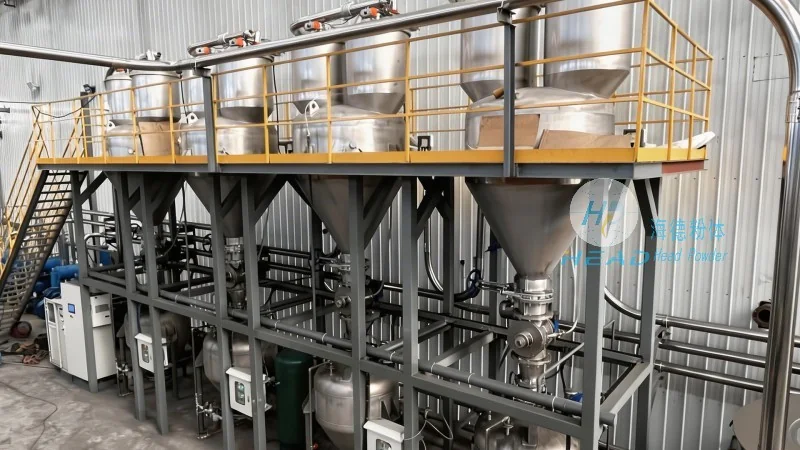
The bulk material handling equipment for silos is widely used across various industries, including food processing, chemical manufacturing, and mining. In the food industry, for example, such equipment is used to transport ingredients like flour, sugar, and grains from storage silos to production lines. In the chemical industry, it handles raw materials like powders and granules, ensuring a steady supply for manufacturing processes. The mining industry also relies on these systems to transport ore from storage silos to processing facilities. The versatility of the equipment makes it suitable for a wide range of applications, and its ability to handle different material types makes it a valuable asset for many industrial operations.

 Shandong Headpowder Engineering Co., Ltd.
 156-6277-7102(Manager Zhang)
  0531-83386006
  Zhangqiu District, Jinan City, Shandong Province, China
telephone
WeChatconsult
top