With more than 10‑year industry experience, Shandong Headpowder delivers full‑service pneumatic‑conveying systems and blowers, undertaking nationwide turn‑key powder‑handling projects.
Magnesium powder is a highly reactive and versatile material used extensively in industries such as aerospace, automotive, and chemical manufacturing. Due to its flammable nature and tendency to form explosive mixtures with air, the transportation of this material requires extremely strict safety protocols and specialized equipment. Standard mechanical conveyors often fall short when handling fine magnesium powders because they can generate static electricity and heat, posing significant risks. Consequently, the industry relies heavily on advanced magnesium powder conveying systems to ensure the safe, efficient, and continuous movement of the material from storage silos to processing units. Understanding the nuances of magnesium powder transport is the first step in ensuring operational safety and production efficiency in any facility handling this valuable resource.
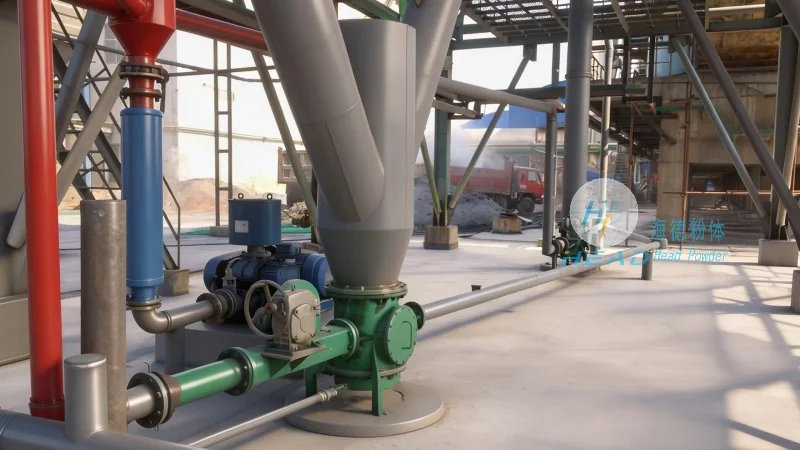
The core technology behind the safe movement of magnesium powder is magnesium powder pneumatic conveying. This method utilizes a stream of air or gas to transport the powder through a closed pipeline system. Unlike mechanical conveyors that rely on moving parts, pneumatic conveying systems are essentially pipelines and blowers. The process involves feeding the magnesium powder into a feed hopper, where it is then entrained by a high-velocity stream of air and pushed through the pipeline to the destination. This method is particularly favored for magnesium because it is a closed system, which minimizes exposure to the environment and drastically reduces the risk of fire or explosion. The technology has evolved significantly, allowing for the precise control of flow rates and the handling of varying powder viscosities.
Implementing a magnesium powder pneumatic conveying system offers numerous benefits over traditional material handling methods. One of the primary advantages is safety. By maintaining a sealed environment, the system prevents the magnesium powder from coming into contact with open flames or sparks, which are the primary causes of ignition. Additionally, pneumatic conveying eliminates the need for lubricants or oils, which could contaminate the powder or create ignition sources. The systems are also highly versatile; they can transport materials over long distances, through bends, and even up to multiple floors of a facility without the need for additional machinery. This flexibility makes them ideal for complex industrial layouts where space is limited or where material needs to be moved between distinct production zones.
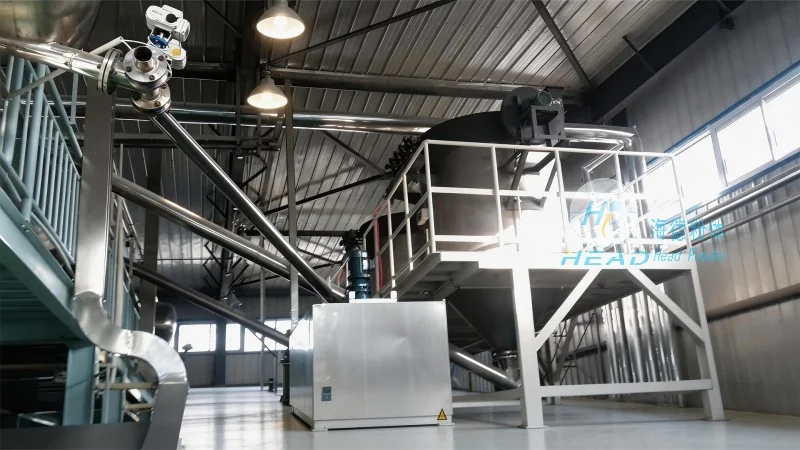
Shandong Headpowder Engineering Co., Ltd., operating under the brand name Headpowder, has established itself as a premier provider of magnesium powder conveying systems. The company specializes in designing and manufacturing turnkey solutions tailored to the specific needs of the magnesium industry. Their systems are engineered to handle the unique challenges associated with magnesium, such as its low bulk density and high reactivity. Headpowder’s engineering team focuses on optimizing the air-to-material ratio to ensure smooth flow without causing excessive pressure drops or pipeline blockages. By utilizing state-of-the-art control systems, Headpowder ensures that the magnesium powder pneumatic conveying process is not only safe but also highly efficient, reducing energy consumption and maintenance costs for the client.
Beyond just magnesium, Headpowder offers robust solutions for general material handling. The company’s expertise extends to the transport of other fine powders and granular materials, providing a comprehensive suite of services for bulk material logistics. Their material conveying systems are designed to handle a wide range of densities and particle sizes, ensuring that regardless of the specific material requirements, the system will perform reliably. This versatility is a testament to the engineering prowess of Headpowder, allowing them to serve a diverse clientele with customized solutions. Whether it is a simple vertical lift or a complex horizontal distribution network, their engineering capabilities ensure that every aspect of the material handling process is meticulously planned and executed.
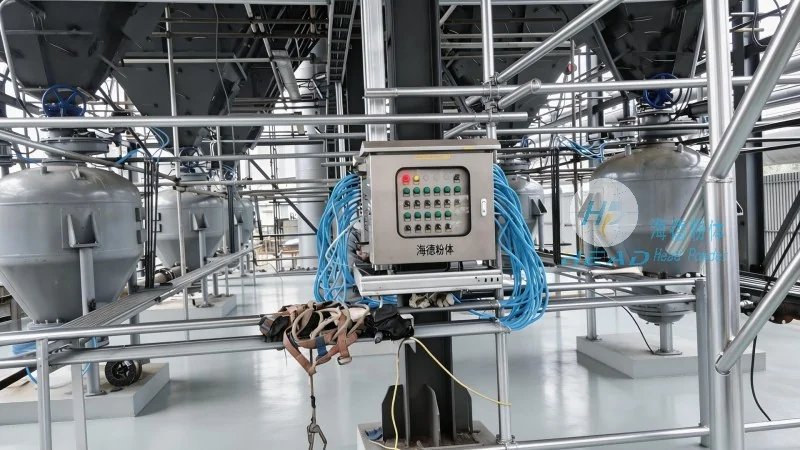
Located in Shandong, China, Shandong Headpowder Engineering Co., Ltd. is strategically positioned to serve both domestic and international markets. The company prides itself on its customer-centric approach, offering not just equipment but also technical support and maintenance services. Their team of experienced engineers works closely with clients to understand their operational challenges and design systems that integrate seamlessly with existing production lines. By prioritizing safety, efficiency, and durability, Headpowder has built a reputation for reliability in the bulk material handling sector. Their commitment to quality ensures that every magnesium powder conveying system delivered meets the highest industry standards for safety and performance.
When selecting a partner for magnesium powder conveying, it is essential to choose a company with proven expertise and a commitment to safety. Shandong Headpowder Engineering Co., Ltd. stands out as a leader in the field, offering innovative solutions that address the unique risks associated with handling magnesium powder. For those seeking reliable and safe material handling systems, the company provides the necessary expertise and equipment to streamline operations. To discuss your specific requirements or to learn more about their advanced magnesium powder conveying technologies, interested parties are encouraged to reach out to the company directly. The team at Headpowder is ready to assist in designing a system that ensures the safety and efficiency of your powder handling processes.

 Shandong Headpowder Engineering Co., Ltd.
 156-6277-7102(Manager Zhang)
  0531-83386006
  Zhangqiu District, Jinan City, Shandong Province, China
telephone
WeChatconsult
top