With more than 10‑year industry experience, Shandong Headpowder delivers full‑service pneumatic‑conveying systems and blowers, undertaking nationwide turn‑key powder‑handling projects.
When it comes to transporting powders efficiently and reliably, selecting the right method is crucial for industrial operations. Powder conveying systems play a vital role in various sectors, including pharmaceuticals, food processing, and chemical manufacturing. Understanding the different approaches to powder handling can help businesses optimize their processes, reduce downtime, and enhance overall productivity. This article explores several common methods for powder conveying, highlighting their applications and benefits.
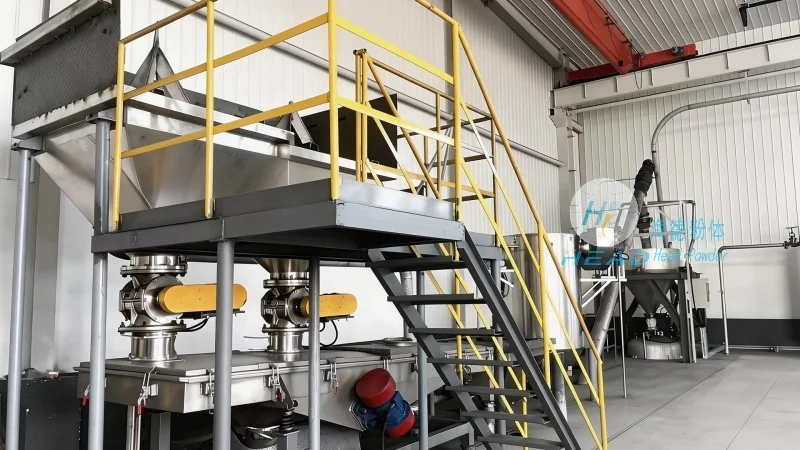
Air-pressure conveying, also known as pneumatic conveying, is a widely used method for transporting powders over short to medium distances. This technique involves using compressed air to move powders through a pipeline. There are two main types of pneumatic conveying systems: pressure and vacuum. Pressure systems use positive pressure to push the powder forward, while vacuum systems use negative pressure to pull the powder. The choice between these depends on factors such as the distance to be covered, the type of powder, and the required flow rate. Air-pressure conveying is particularly effective for handling fine powders and can be adapted for both bulk and small-scale applications. It offers advantages like low maintenance costs and the ability to transport powders in a closed system, minimizing dust exposure and contamination risks.
Mechanical conveying methods rely on mechanical components to move powders. These systems are often preferred for longer distances or when dealing with larger quantities of material. Common mechanical conveyors include screw conveyors, belt conveyors, and bucket elevators. Screw conveyors use a rotating screw to push powders along a tube, making them suitable for horizontal or slightly inclined transport. Belt conveyors, on the other hand, use a continuous belt to carry powders, ideal for both horizontal and inclined paths. Bucket elevators lift powders vertically using buckets attached to a chain or belt, which is essential for vertical transport in many industrial settings. Mechanical conveying systems are generally more cost-effective for high-volume operations and can handle a wide range of powder types, including bulkier or more abrasive materials. However, they may require more maintenance compared to pneumatic systems and can be prone to material buildup in the conveying path.
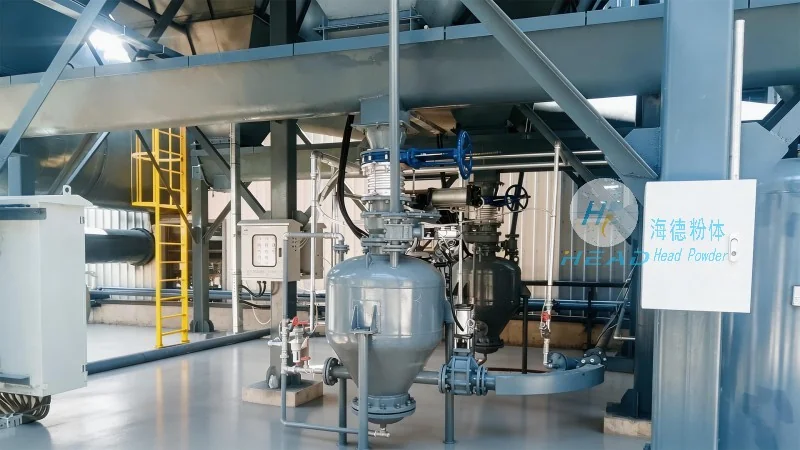
Hydraulic conveying systems utilize fluid power to transport powders. This method involves mixing the powder with a liquid, creating a slurry that is then pumped through pipes. Hydraulic conveying is particularly effective for transporting wet or sticky powders, as the liquid helps to keep the material in suspension and prevents clogging. The system typically includes a pump, a mixer, and a pipeline network. Once the slurry reaches its destination, it is often separated through a settling tank or filter, allowing the liquid to be recycled and the powder to be collected. Hydraulic conveying is commonly used in mining and mineral processing industries, where it is essential for transporting ore and other materials over long distances. While effective for certain applications, hydraulic systems require careful management of the liquid-to-powder ratio to ensure efficient transport and avoid excessive wear on components.
Vacuum conveying is a type of pneumatic system that uses negative pressure to draw powders into a pipeline. This method is ideal for short-distance transport and is commonly used in applications where dust control is a priority. Vacuum systems are often employed in pharmaceutical and food processing industries, where maintaining a clean environment is critical. The system consists of a vacuum pump, a hopper, and a collection tube. Powders are drawn from the hopper into the tube using the vacuum created by the pump, and then transported to the destination. Vacuum conveying is relatively simple to install and operate, making it a popular choice for small-scale operations. However, it is generally less efficient for long-distance transport compared to pressure systems and may not be suitable for very fine or abrasive powders.
In many industrial settings, a single conveying method may not be sufficient to meet all operational requirements. Combination systems, which integrate multiple technologies, are increasingly common. For example, a system might use pneumatic conveying for short distances and mechanical conveying for longer distances, or a hydraulic system for wet powders followed by a pneumatic system for drying. These hybrid approaches allow for greater flexibility and efficiency, as they can be tailored to the specific needs of the process. Combination systems are particularly useful in complex production lines where powders need to be transported through various stages, such as mixing, drying, and packaging. By combining different methods, businesses can optimize their conveying processes, reduce energy consumption, and improve overall performance.
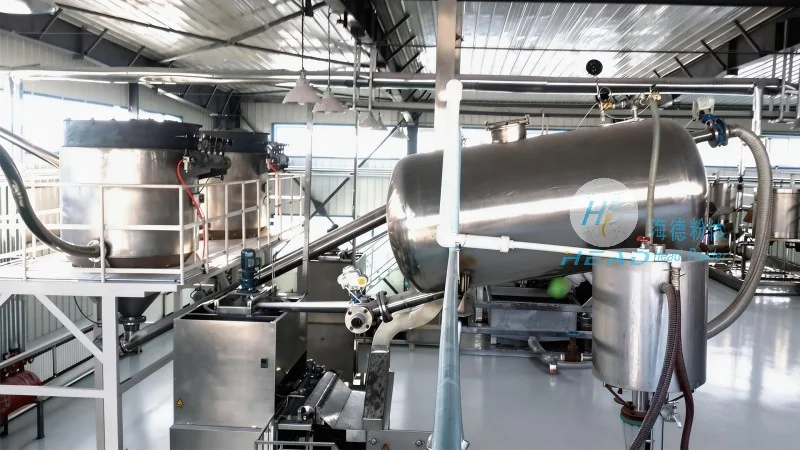
When selecting a powder conveying method, several factors must be considered, including the type of powder, the distance to be covered, the required flow rate, and the environmental regulations. Each method has its own advantages and limitations, and the choice should be based on a thorough analysis of the specific application. For instance, pneumatic systems are excellent for fine powders and require minimal space, while mechanical systems are better suited for bulk materials and longer distances. Understanding these differences can help businesses make informed decisions and implement the most effective powder conveying solution for their operations.
Shandong HeadPowder Engineering Co., Ltd., a leading provider of powder handling solutions, specializes in designing and manufacturing customized conveying systems to meet the diverse needs of various industries. With years of experience and a commitment to quality, the company offers a range of products and services tailored to enhance the efficiency and reliability of powder transport. Based in Shandong, China, HeadPowder Engineering leverages advanced technology and expert knowledge to deliver innovative solutions that help businesses optimize their processes and achieve their operational goals. Whether it's pneumatic, mechanical, or hydraulic systems, the company's team of engineers works closely with clients to understand their unique requirements and develop tailored solutions that ensure smooth and efficient powder conveying.

 Shandong Headpowder Engineering Co., Ltd.
 156-6277-7102(Manager Zhang)
  0531-83386006
  Zhangqiu District, Jinan City, Shandong Province, China
telephone
WeChatconsult
top