With more than 10‑year industry experience, Shandong Headpowder delivers full‑service pneumatic‑conveying systems and blowers, undertaking nationwide turn‑key powder‑handling projects.
Cereal powder pneumatic conveying equipment is a critical component in the food processing industry, particularly for handling and transporting bulk cereal powders such as oats, cornmeal, and wheat flour. This equipment enables efficient, dust-free, and hygienic movement of powders from storage silos to processing lines or packaging areas. The technology has revolutionized how cereal manufacturers manage material flow, ensuring consistent quality and reducing operational risks associated with traditional mechanical conveying methods.
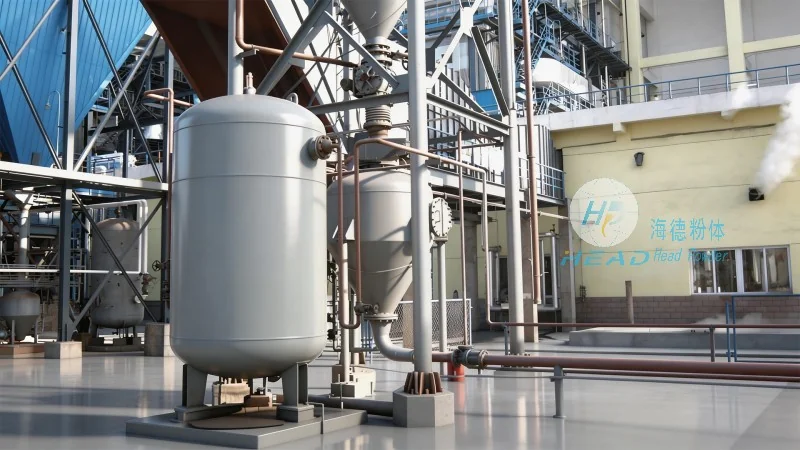
HeadPowder, a leading manufacturer based in Shandong, China, specializes in designing and manufacturing advanced pneumatic conveying systems tailored for the cereal industry. With years of experience, the company has developed robust solutions that meet the stringent requirements of food safety, efficiency, and durability. HeadPowder's expertise lies in integrating cutting-edge technology with practical application, delivering equipment that enhances productivity while maintaining compliance with industry standards.
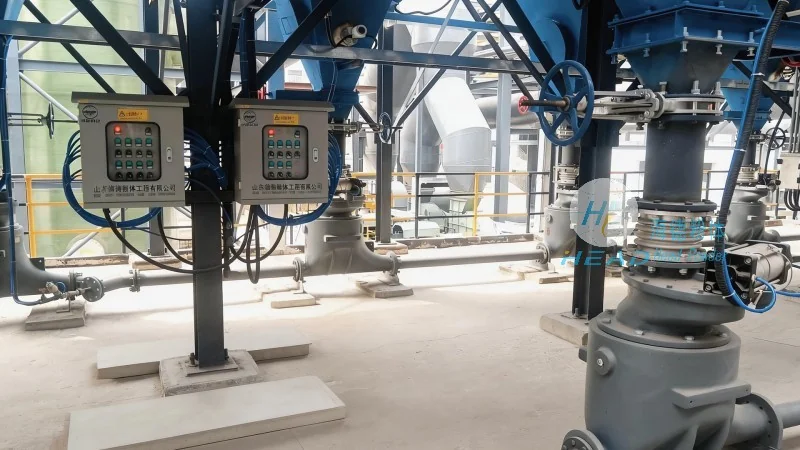
Pneumatic conveying systems utilize air or gas to transport bulk materials through a pipeline network. For cereal powders, these systems are designed to handle fine to medium-grained particles, ensuring minimal product degradation and loss. The primary advantage of pneumatic conveying is its ability to operate in a closed system, preventing contamination and dust emissions. This makes it ideal for food-grade applications where hygiene and product integrity are paramount.
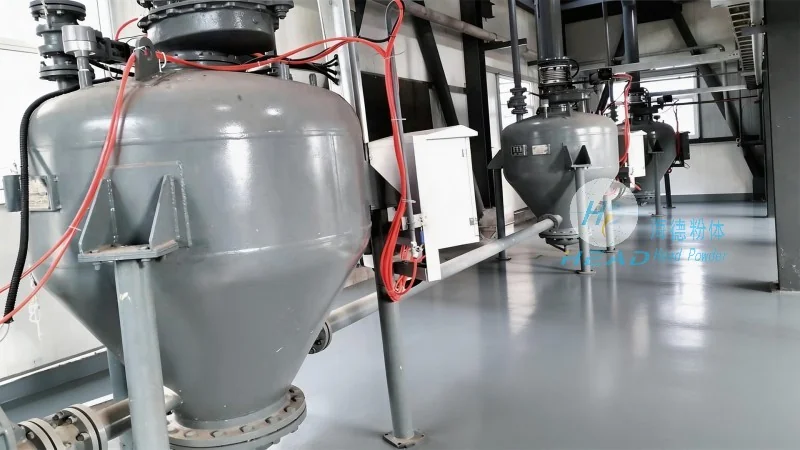
The operation of cereal powder pneumatic conveying equipment is a systematic process that ensures efficient and reliable material transport. The process begins with the loading of cereal powder into a storage silo or bulk hopper. A rotary valve or screw feeder then meters the powder into the conveying line at a controlled rate. Simultaneously, a high-pressure blower or air compressor generates the necessary air pressure to initiate the conveying process. The air is introduced into the pipeline at a velocity sufficient to lift and carry the powder particles. As the powder enters the conveying line, it is suspended in the air stream and transported to the destination point, such as a processing unit or packaging station. At the receiving end, a cyclone separator or bag filter separates the powder from the air, allowing the powder to be discharged into a collection bin or hopper. The air, now free of powder particles, is either recirculated back to the blower or vented to the atmosphere, depending on the system design. This closed-loop operation minimizes dust emissions and maintains a clean working environment.
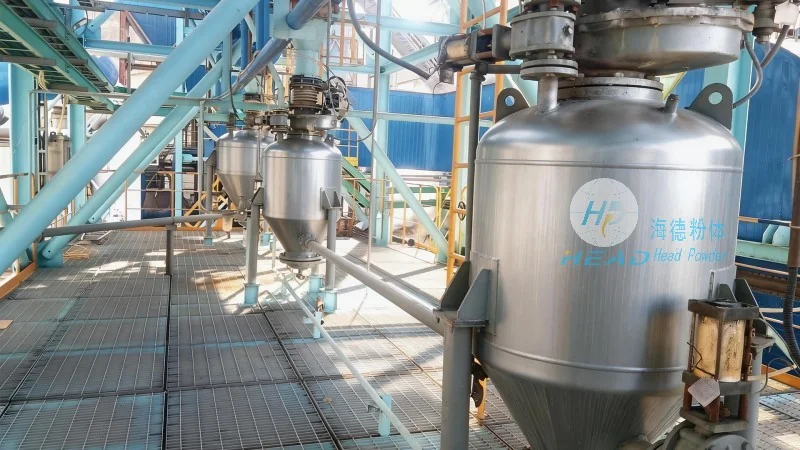
The fundamental working principle of pneumatic conveying for cereal powders is based on fluid dynamics and particle-air interaction. The system operates by creating a high-velocity air flow within the pipeline, which generates a drag force that overcomes the gravitational force acting on the powder particles. This drag force lifts the particles and keeps them suspended in the air stream, allowing them to be transported over long distances. The key to efficient operation is maintaining a consistent air velocity and pressure throughout the conveying line. The equipment is typically designed with variable speed drives and pressure sensors to adjust these parameters in real-time, ensuring optimal performance and preventing blockages or material degradation. The principle also accounts for factors such as particle size, moisture content, and bulk density, as these characteristics influence the required air velocity and pressure for reliable transport.

 Shandong Headpowder Engineering Co., Ltd.
 156-6277-7102(Manager Zhang)
  0531-83386006
  Zhangqiu District, Jinan City, Shandong Province, China
telephone
WeChatconsult
top