With more than 10‑year industry experience, Shandong Headpowder delivers full‑service pneumatic‑conveying systems and blowers, undertaking nationwide turn‑key powder‑handling projects.
Pharmaceutical material handling systems are critical components in modern pharmaceutical manufacturing, ensuring the safe, efficient, and compliant transport of raw materials, intermediates, and finished products. These systems are designed to meet stringent regulatory requirements, such as those from the FDA and GMP (Good Manufacturing Practice), while optimizing workflow and minimizing the risk of contamination or product damage. As a leading provider in the industry, Shandong HeadPowder Engineering Co., Ltd., commonly known as headpowder, specializes in the design, manufacturing, and integration of advanced material handling solutions tailored to the unique needs of pharmaceutical and biotech companies.
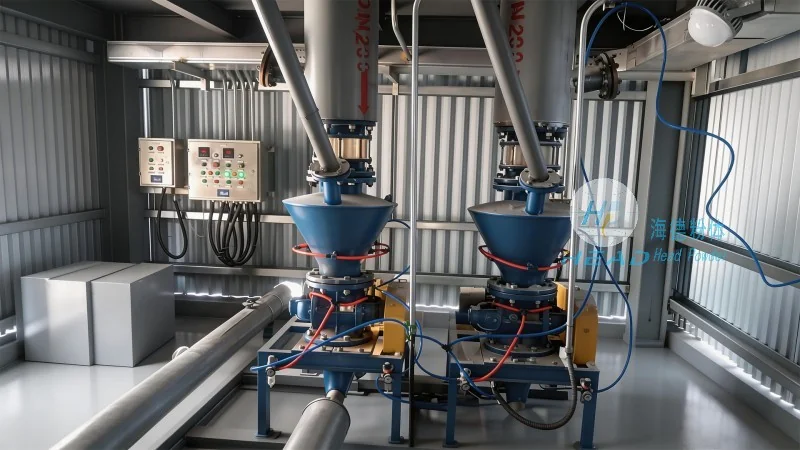
Pharmaceutical material handling systems encompass a range of equipment and processes that facilitate the movement of materials within a facility. These systems typically include conveyors, automated guided vehicles (AGVs), robotic handling systems, and storage solutions. The primary goal is to streamline operations, reduce manual labor, and enhance overall productivity. By integrating these components, manufacturers can achieve a more organized and efficient supply chain, from receiving raw materials to shipping finished products.
The effectiveness of a pharmaceutical material handling system relies on the integration of several key components. Each component plays a vital role in ensuring smooth operation and compliance with industry standards. The main components include:
1. Conveying Systems: These systems use belts, rollers, or chains to transport materials horizontally, vertically, or at an incline. In pharmaceutical applications, conveyors are often designed with non-stick surfaces and easy-to-clean materials to prevent contamination. They can be customized to handle various product types, such as powders, liquids, or solid dosage forms.
2. Automated Guided Vehicles (AGVs): AGVs are self-propelled vehicles that use sensors and software to navigate through a facility. They are ideal for transporting bulk materials or equipment between different areas of a plant. AGVs can be programmed to follow specific routes, ensuring precise and efficient movement. This reduces the need for manual handling and minimizes the risk of human error.
3. Robotic Handling Systems: Robotic systems, such as pick-and-place robots or articulated arms, are used for tasks that require precision and speed. These robots can handle small, delicate items or perform complex assembly tasks. In pharmaceutical manufacturing, robots are often used for packaging, labeling, or quality control inspections. They enhance accuracy and consistency while reducing labor costs.
4. Storage and Retrieval Systems: Automated storage and retrieval systems (AS/RS) are used to store and retrieve materials from tall, high-density storage units. These systems use cranes or automated shuttles to move materials to and from storage locations. They maximize storage space and improve order picking efficiency. For pharmaceutical applications, AS/RS are often equipped with temperature and humidity controls to maintain product integrity.
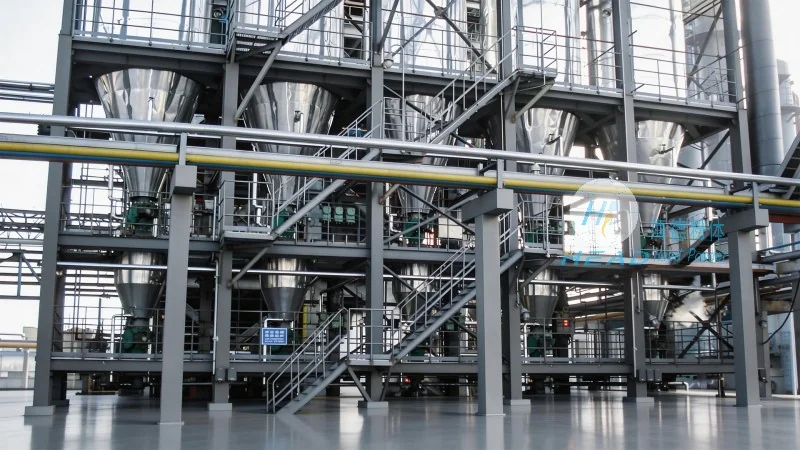
The operation of a pharmaceutical material handling system follows a systematic process that ensures each step is executed efficiently and safely. The process typically begins with the receipt of materials and ends with the dispatch of finished products. Here is a detailed breakdown of the operational workflow:
Step 1: Material Receipt and Inspection When raw materials or components arrive at the facility, they are first received and inspected for quality and compliance. This step ensures that only approved materials are accepted into the production process. The inspection may include checks for packaging integrity, label accuracy, and batch numbers. Any non-compliant materials are rejected and returned to the supplier.
Step 2: Storage and Inventory Management After inspection, materials are stored in designated areas, often using automated storage systems. Inventory management software tracks the location and quantity of each item, ensuring that materials are readily available when needed. This step helps prevent stockouts and reduces the need for manual inventory checks.
Step 3: Material Transfer and Processing Once materials are needed for production, they are transferred from storage to the processing area. This transfer is facilitated by conveyors, AGVs, or robotic systems, depending on the material type and distance. The materials are then processed according to the manufacturing instructions, which may involve mixing, blending, or packaging.
Step 4: Quality Control and Inspection Throughout the production process, quality control checks are performed to ensure that the materials meet the required specifications. This includes testing for purity, potency, and consistency. Automated inspection systems can quickly detect any deviations, allowing for immediate corrective actions.
Step 5: Packaging and Storage After processing, the finished products are packaged and stored in appropriate containers. The packaging process is critical to maintaining product stability and preventing contamination. Automated packaging systems can apply labels, seal containers, and apply tamper-evident features. The packaged products are then stored in a controlled environment until they are ready for shipment.
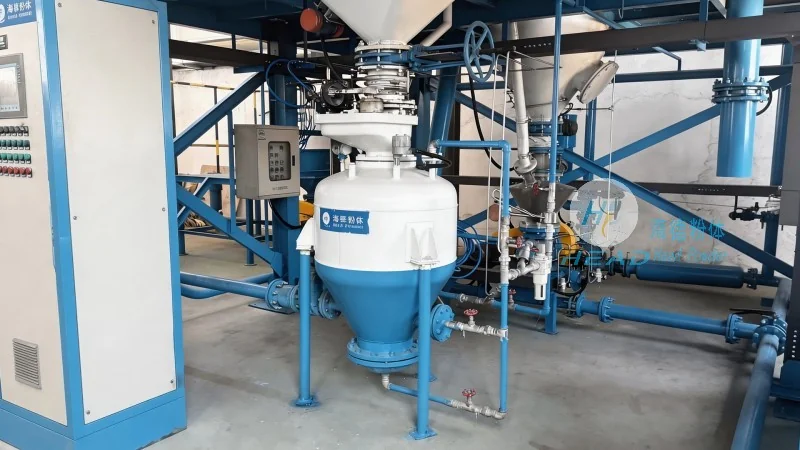
Step 6: Dispatch and Shipping Finally, the finished products are dispatched to the customer or distribution center. This step involves verifying the order details, preparing shipping labels, and coordinating with logistics partners. The material handling system ensures that the products are transported safely and efficiently, adhering to all regulatory requirements.
The working principle of a pharmaceutical material handling system is based on the integration of mechanical, electrical, and software components. These systems use sensors, controllers, and communication networks to coordinate the movement of materials and ensure smooth operation. The key principles include:
1. Automation and Control: Modern pharmaceutical material handling systems are highly automated, with minimal human intervention. Sensors detect the position and status of materials, while controllers manage the operation of equipment. This automation reduces the risk of human error and improves consistency. The systems can be programmed to follow specific sequences or respond to real-time changes in production needs.
2. Integration and Connectivity: The components of a material handling system are integrated through a centralized control system. This system allows for seamless communication between different parts of the facility, such as the receiving area, storage, and production lines. Integration ensures that each step of the process is coordinated and optimized. For example, when a production line requires raw materials, the system automatically retrieves them from storage and transports them to the line.
3. Safety and Compliance: Pharmaceutical material handling systems are designed with safety features to protect both personnel and products. These features include emergency stop buttons, safety sensors, and restricted access areas. The systems also adhere to regulatory standards, such as GMP and FDA guidelines, to ensure that all operations are compliant. This includes maintaining records of all activities and providing traceability for each product batch.
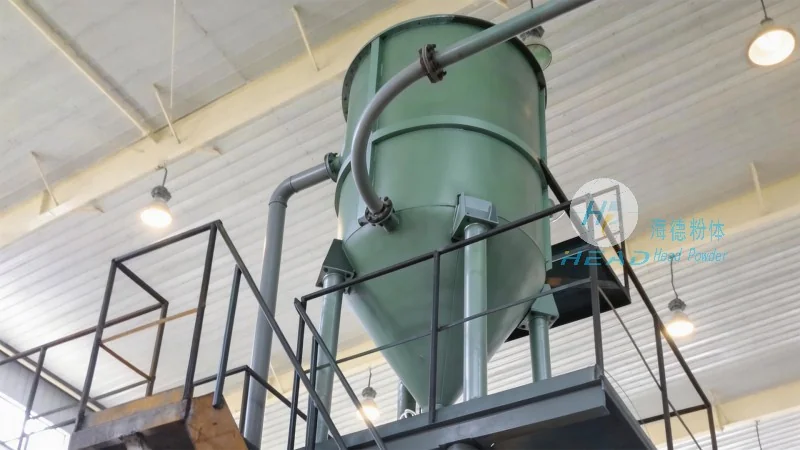
4. Efficiency and Optimization: The working principle of these systems focuses on maximizing efficiency and minimizing downtime. By using automated processes and real-time data, manufacturers can optimize their operations and reduce waste. For example, the system can adjust the speed of conveyors or the frequency of material transfers based on production demand. This dynamic adjustment helps maintain a consistent workflow and reduces bottlenecks.
Implementing advanced pharmaceutical material handling systems offers numerous benefits to pharmaceutical and biotech companies. These benefits extend beyond increased efficiency and include improved product quality, reduced costs, and enhanced regulatory compliance. Some of the key advantages include:
1. Enhanced Product Quality and Safety: Automated systems reduce the risk of contamination and human error, leading to higher product quality and safety. The use of non-stick surfaces, temperature-controlled storage, and automated inspection ensures that products meet the strictest industry standards.
2. Increased Operational Efficiency: By streamlining material movement and reducing manual labor, these systems improve overall productivity. Automated conveyors, AGVs, and robotic systems can operate 24/7, ensuring that production processes are not interrupted. This leads to faster turnaround times and increased output.
3. Cost Reduction: Advanced material handling systems can help reduce operational costs by minimizing labor requirements, reducing material waste, and optimizing energy usage. The use of automated storage and retrieval systems maximizes storage space, reducing the need for additional warehouse space. Additionally, the reduction in human error leads to fewer rework or scrap costs.
4. Improved Regulatory Compliance: Pharmaceutical companies are subject to strict regulatory requirements, and material handling systems play a crucial role in meeting these standards. Automated systems provide detailed records of all activities, making it easier to trace and verify compliance. This helps companies avoid penalties and maintain their reputation in the industry.

 Shandong Headpowder Engineering Co., Ltd.
 156-6277-7102(Manager Zhang)
  0531-83386006
  Zhangqiu District, Jinan City, Shandong Province, China
telephone
WeChatconsult
top