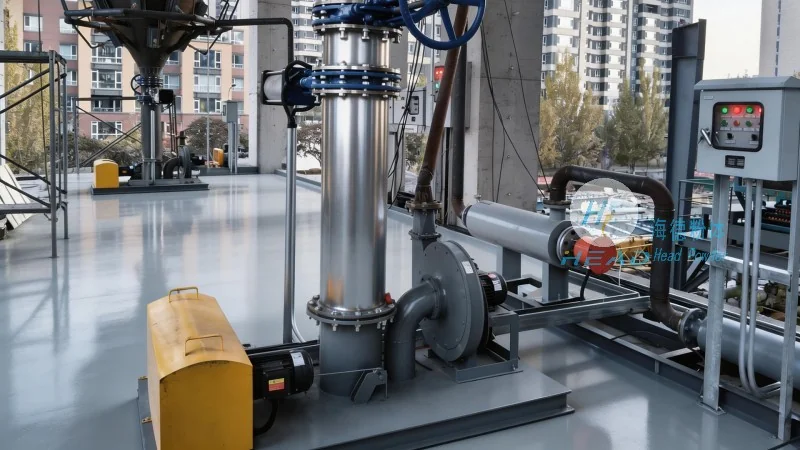
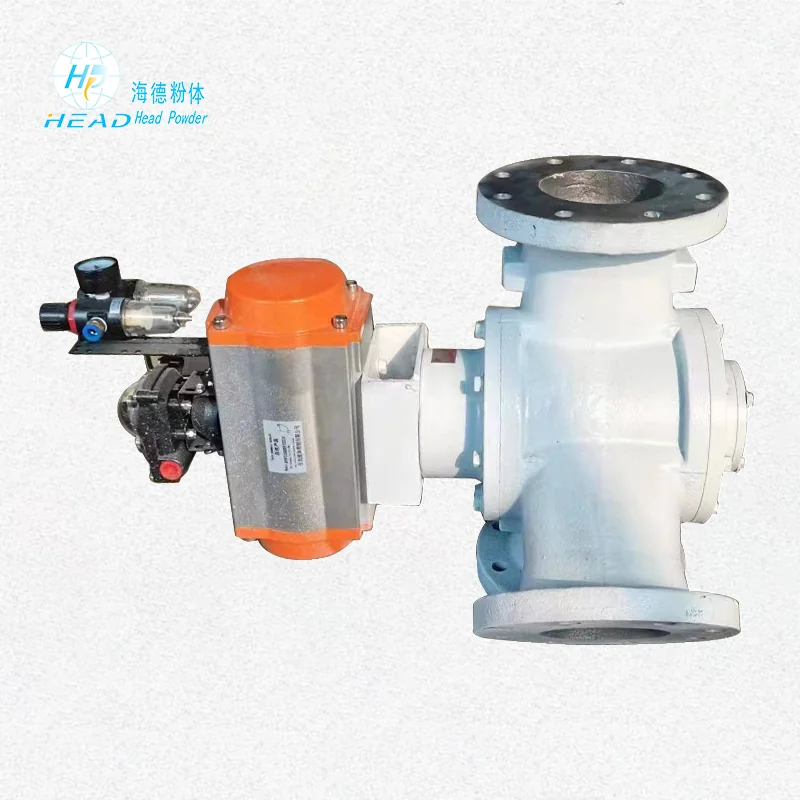
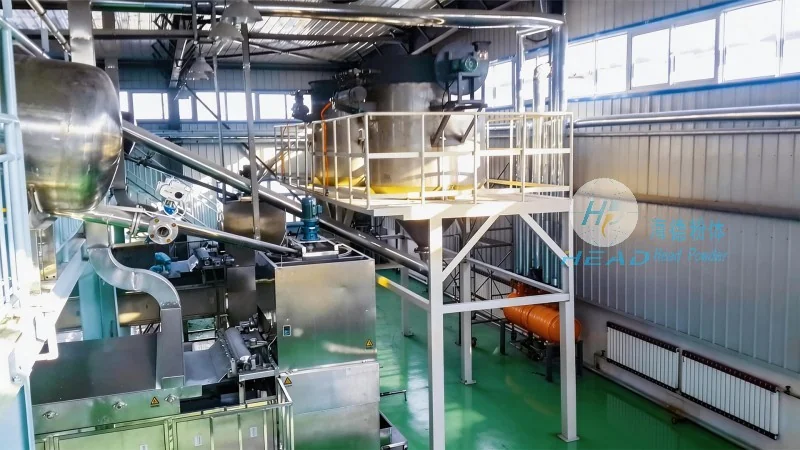
With more than 10‑year industry experience, Shandong Headpowder delivers full‑service pneumatic‑conveying systems and blowers, undertaking nationwide turn‑key powder‑handling projects.
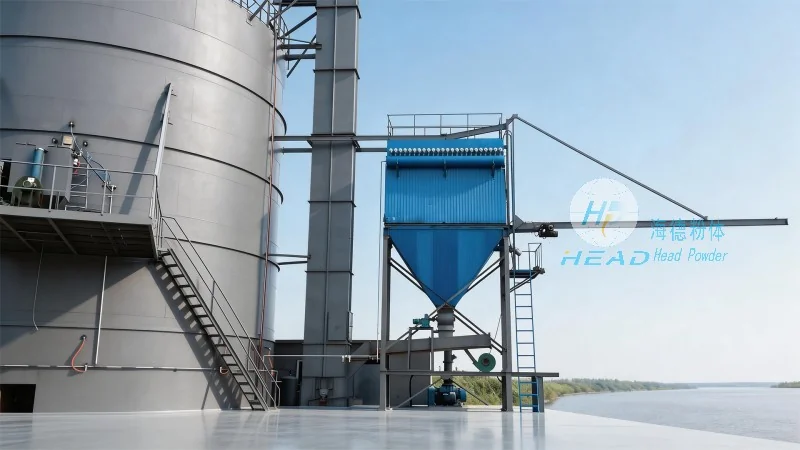
Industrial environments often generate significant amounts of airborne particulate matter, which poses severe risks to both machinery and human health. To mitigate these hazards, the implementation of an efficient dust collection system is paramount. Among the various technologies available in the market, the pulse dust collector stands out as a premier solution for handling fine dust and heavy dust loads. This equipment is engineered to provide high filtration efficiency while maintaining a relatively low operating cost, making it a preferred choice for modern manufacturing and processing facilities.
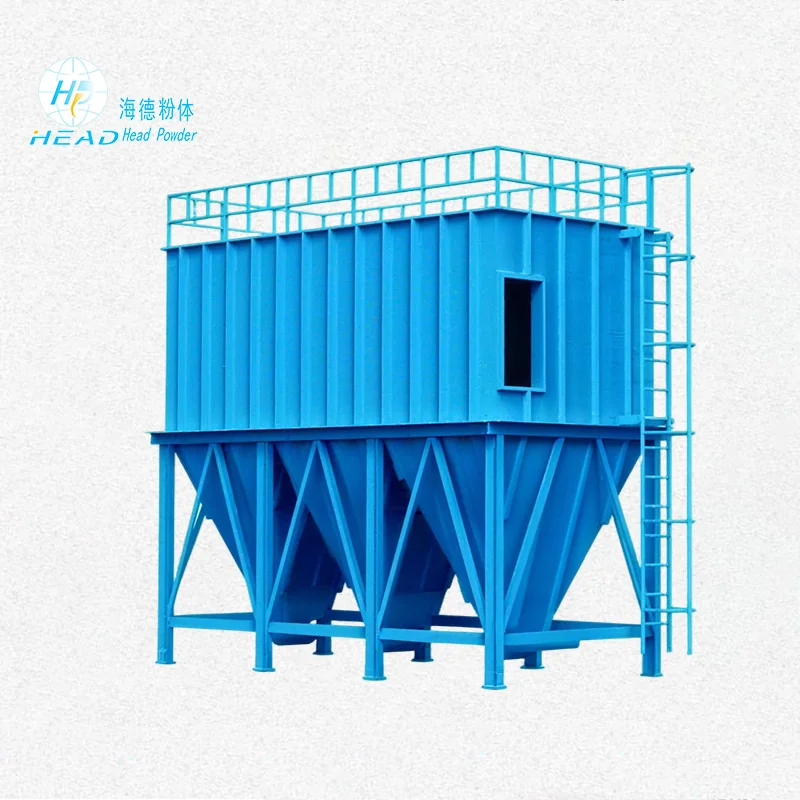
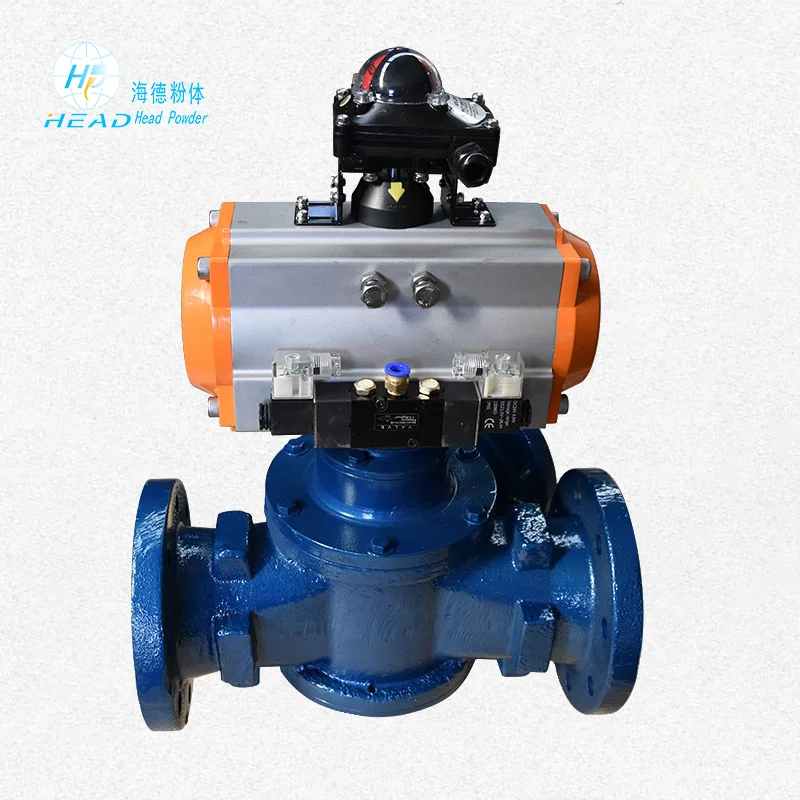
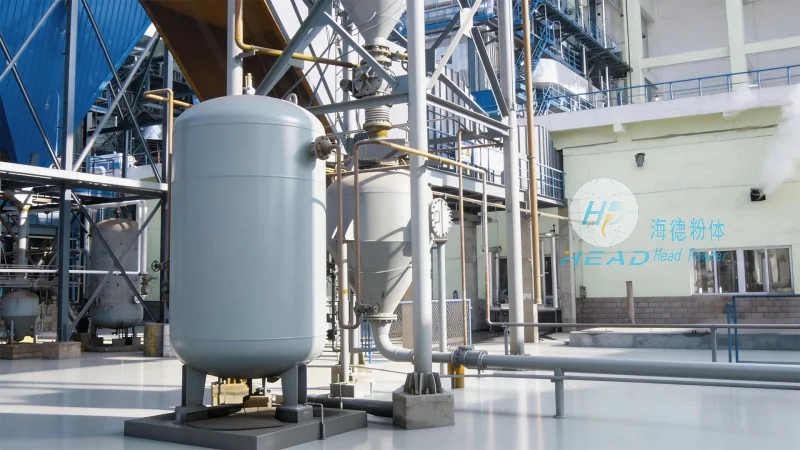
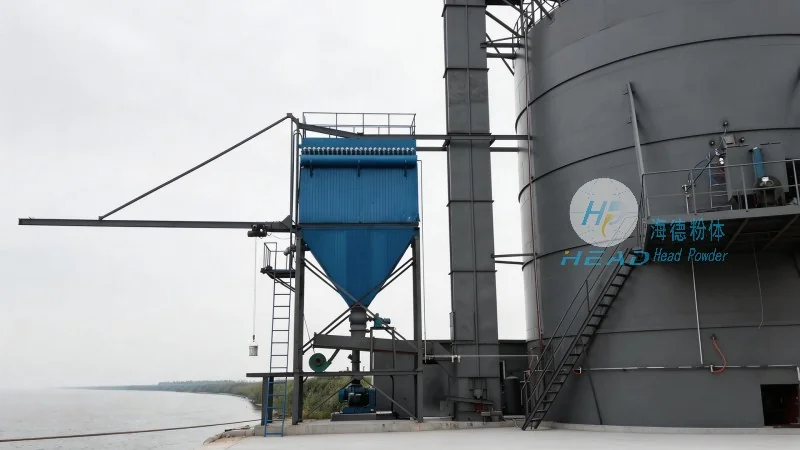
The fundamental operation of a pulse dust collector relies on a sophisticated mechanism designed to continuously clean the filter bags without interrupting the filtration process. As dust-laden air enters the unit, it passes through a pre-filter or directly onto the filter bags. Over time, the dust accumulates on the surface of the filter media, increasing the system's resistance to airflow. To address this, the pulse dust collector utilizes a pulse jet cleaning system. This system consists of an air compressor, a pulse control valve, and an air tank. When the pressure reaches a certain threshold, a high-pressure pulse of air is released into the bag through the nozzle. This sudden burst of air, known as the "pulse," travels down the bag, causing it to expand and contract violently. This mechanical vibration dislodges the accumulated dust cake, allowing it to fall into the hopper below. This continuous cycle ensures that the system operates at peak efficiency at all times.
One of the primary reasons for the widespread adoption of the pulse dust collector is its superior technical performance. Unlike traditional dust collectors that may require manual cleaning or frequent shutdowns for maintenance, the pulse type operates automatically. This automation significantly reduces labor costs and downtime. Furthermore, the filtration efficiency of these units can reach over 99%, ensuring that even the finest particles are captured and retained within the system.
When evaluating the total cost of ownership, the dust collector price becomes a critical factor for industrial buyers. While the initial investment in a high-quality pulse dust collector may be higher than that of basic models, the long-term savings are substantial. The low-pressure drop design of these systems means that the fans and blowers consume less electricity, reducing energy bills. Additionally, the robust construction of the filter bags and the pulse valves ensures a long service life, minimizing the frequency of replacements. A reputable dust collector manufacturer understands this balance and designs products that offer the best return on investment for their clients.
The versatility of the pulse dust collector allows it to be utilized in a wide array of industries. In the mining and quarrying sectors, these units are essential for capturing dust generated during drilling, crushing, and screening operations. In the cement and steel industries, where high temperatures and abrasive dust are common, heavy-duty pulse dust collectors are employed to protect workers and equipment. Furthermore, the food and pharmaceutical industries rely on these systems to maintain hygienic standards, preventing contamination of products by airborne particles.
When seeking a reliable solution for dust control, selecting the right dust collector manufacturer is crucial. Shandong Headpowder Engineering Co., Ltd. is a distinguished company based in Shandong, China, specializing in the research, development, and production of advanced dust removal equipment. With a strong commitment to quality and innovation, the company has established itself as a leader in the industry. The brand name "headpowder" is synonymous with durability, efficiency, and customer satisfaction.
Shandong Headpowder Engineering Co., Ltd. offers a comprehensive range of products tailored to meet specific industrial needs. Whether it is a small-scale workshop or a large industrial plant, the company provides customized solutions that ensure optimal air quality. Their engineering team utilizes state-of-the-art technology to design pulse dust collectors that are not only effective but also easy to install and maintain. By prioritizing the feedback of their clients and adhering to strict quality control standards, the company ensures that every unit leaving its facility meets the highest industry benchmarks.
For businesses looking to upgrade their dust collection systems or require a consultation on the best filtration technology, reaching out to an expert is the first step. Shandong Headpowder Engineering Co., Ltd. is dedicated to providing exceptional service to clients worldwide. If you are interested in learning more about our products or would like to discuss your specific requirements, please do not hesitate to contact us. You may reach out to Zhang Manager for detailed information regarding product specifications, installation support, and current dust collector price lists. We look forward to helping you create a safer and cleaner working environment.

 Shandong Headpowder Engineering Co., Ltd.
 156-6277-7102(Manager Zhang)
  0531-83386006
  Zhangqiu District, Jinan City, Shandong Province, China
telephone
WeChatconsult
top