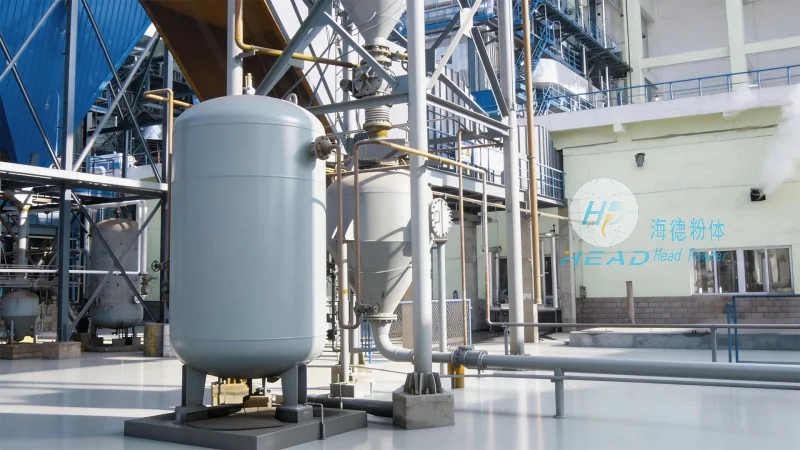
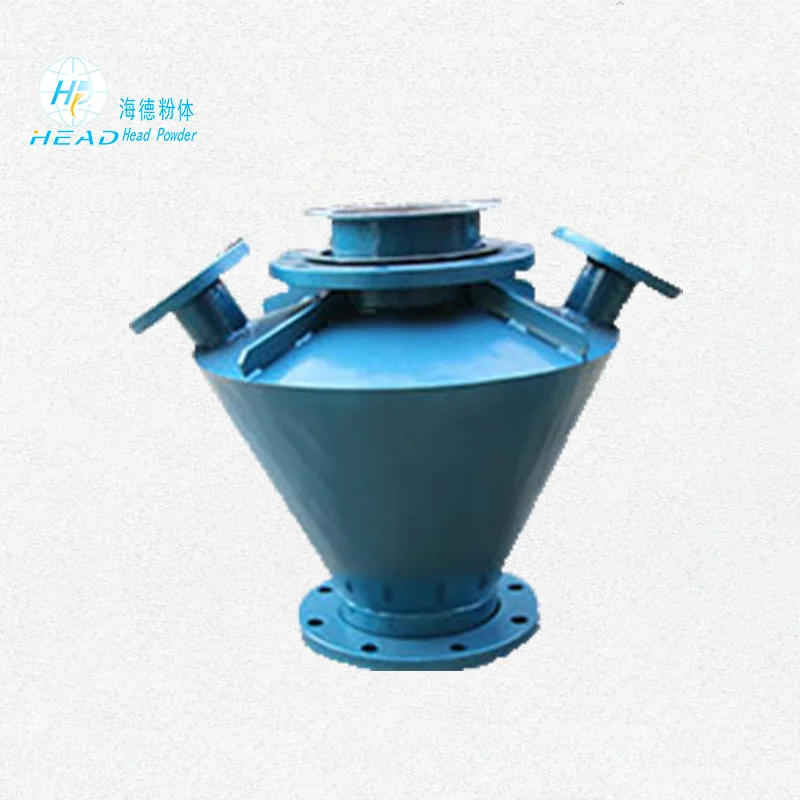
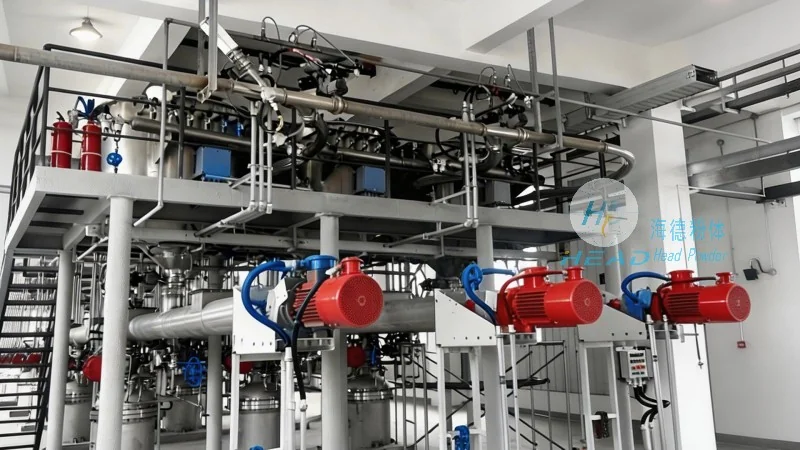
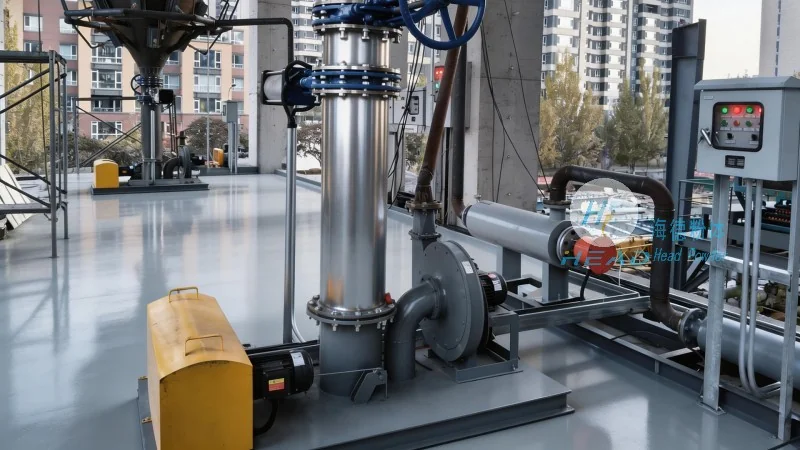
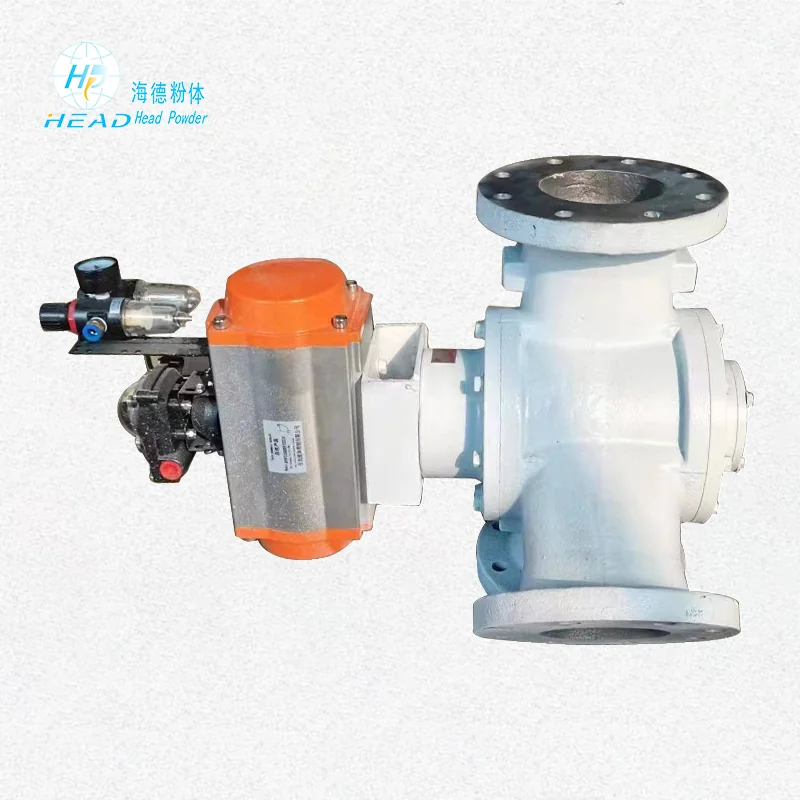
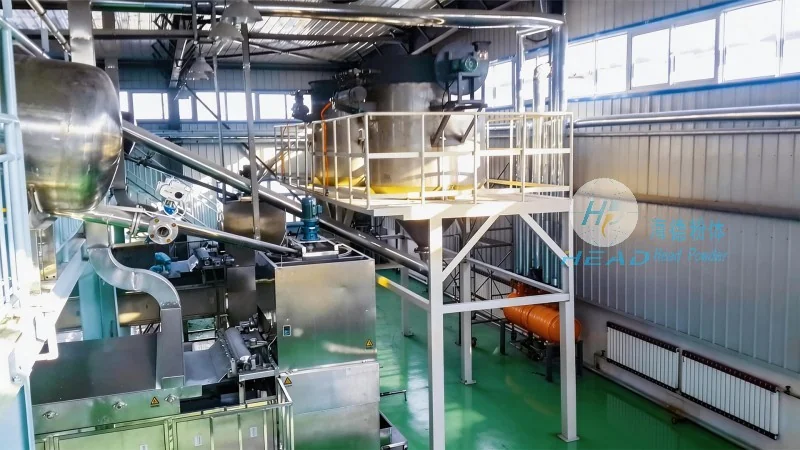
With more than 10‑year industry experience, Shandong Headpowder delivers full‑service pneumatic‑conveying systems and blowers, undertaking nationwide turn‑key powder‑handling projects.
Shandong Headpowder Engineering Co., Ltd. is a distinguished entity in the field of environmental engineering, operating under the abbreviated name headpowder. Headquartered in Shandong, China, the company has established itself as a reliable partner for industries requiring advanced air filtration solutions. The company’s core mission revolves around providing high-efficiency dust control systems that comply with stringent environmental regulations. By leveraging the rich manufacturing resources of Shandong, the company ensures that its products are built with precision and durability in mind. The engineering team at Shandong Headpowder is composed of experienced professionals who understand the complexities of industrial air pollution and design solutions that are both effective and cost-efficient. Their facility is equipped with modern testing and production machinery, allowing them to maintain high standards of quality control throughout the manufacturing process.
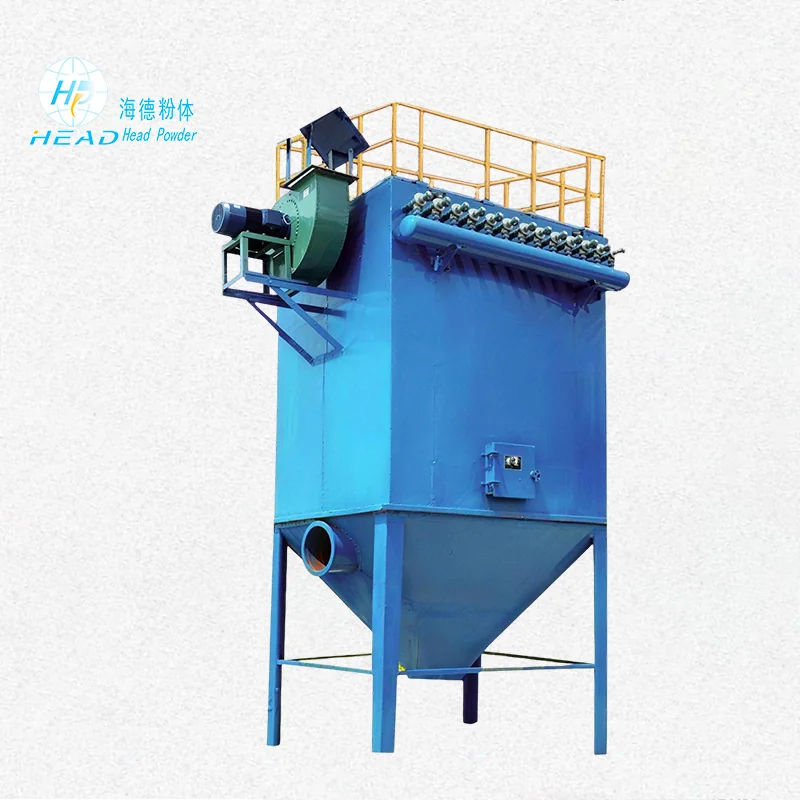
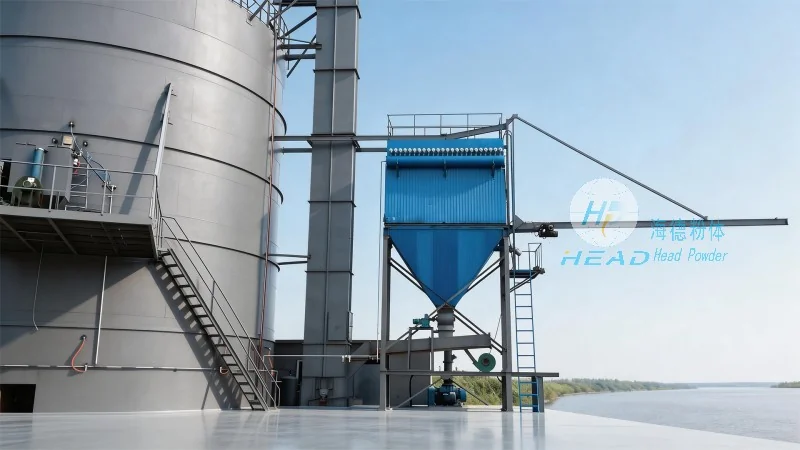
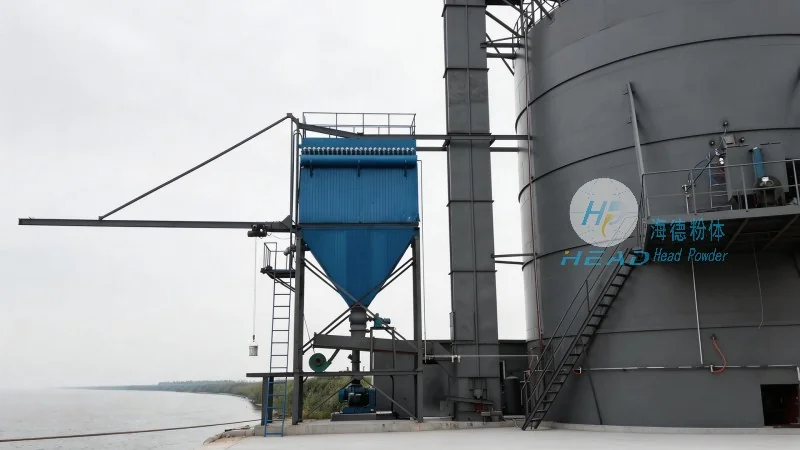
A bag dust collector is a critical component in modern industrial settings, designed to separate solid particulate matter from gas streams. This technology operates through a process of filtration where dust-laden air passes through fabric filter bags. The fabric material acts as a barrier, trapping fine particles while allowing clean air to pass through. The efficiency of a bag dust collector depends heavily on the quality of the filter media and the design of the dust collection system. These devices are capable of handling high dust loads and achieving extremely low emission levels, often surpassing the requirements of environmental protection agencies. The mechanism typically involves a pulse-jet cleaning process or reverse air cleaning, which dislodges accumulated dust from the bags without damaging the filtration fabric. This ensures that the system maintains a low pressure drop and high airflow capacity over its operational lifespan, making it a preferred choice for many heavy industries.

 Shandong Headpowder Engineering Co., Ltd.
 156-6277-7102(Manager Zhang)
  0531-83386006
  Zhangqiu District, Jinan City, Shandong Province, China
telephone
WeChatconsult
top