With more than 10‑year industry experience, Shandong Headpowder delivers full‑service pneumatic‑conveying systems and blowers, undertaking nationwide turn‑key powder‑handling projects.
Shandong HeadPowder Engineering Co., Ltd. specializes in the design, manufacturing, and integration of advanced resin powder conveying systems. These systems are crucial for industries that handle bulk resin powders, ensuring efficient and reliable material transport from storage to processing units. The company, commonly known as headpowder, operates from its headquarters in Shandong, China, providing tailored solutions that meet the specific needs of various industrial applications.
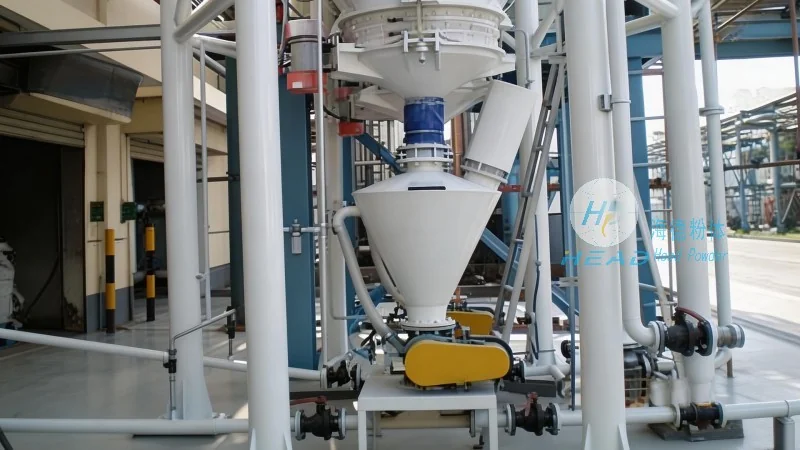
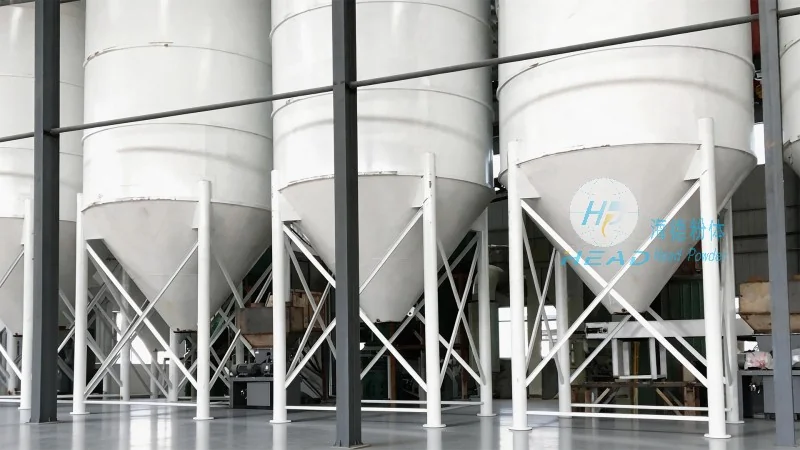
Resin powder conveying systems typically consist of several core components that work in tandem to ensure smooth operation. The primary elements include a hopper for material storage, a conveyor mechanism (such as a screw conveyor or pneumatic system), a control unit for regulating flow, and a dust collection system to maintain air quality. Each component is engineered to handle the unique properties of resin powders, including their density, flowability, and potential for static charge. The hopper is designed to minimize material degradation and ensure consistent feeding, while the conveyor system transfers the powder to the processing line with minimal loss or contamination.
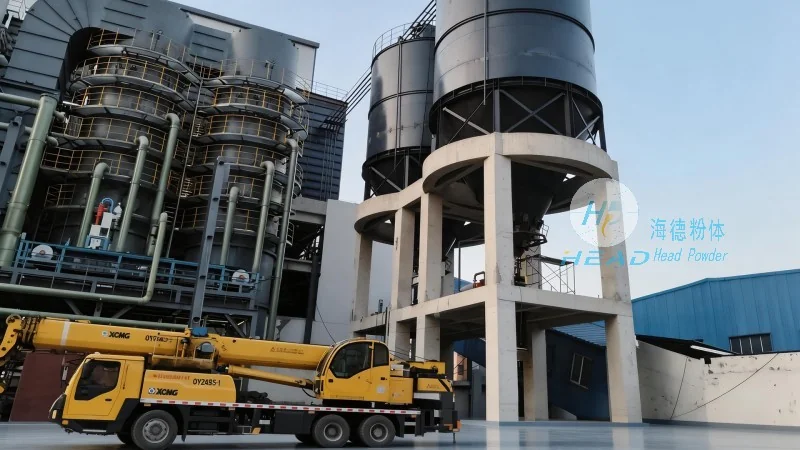
The operation of a resin powder conveying system follows a systematic process that begins with material loading. Resin powders are first introduced into the hopper, where they are stored under controlled conditions to prevent caking or moisture absorption. Once the hopper is filled, the control unit activates the conveyor system, which then transports the powder through the pipeline to the processing equipment. The speed and pressure of the conveyor are precisely regulated to maintain a consistent flow rate, ensuring that the downstream processes receive a steady supply of material. During operation, the system continuously monitors key parameters such as pressure, flow rate, and temperature to detect any deviations and adjust the process accordingly. This real-time monitoring enhances system reliability and reduces downtime.
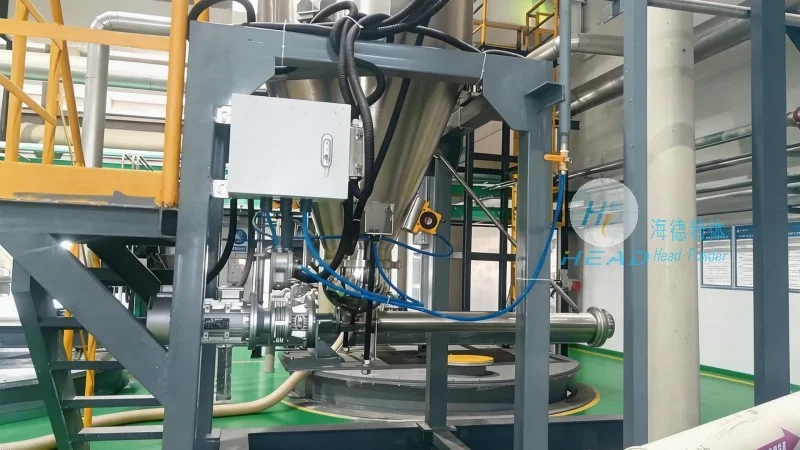
The working principle of resin powder conveying systems is based on the principles of fluid dynamics and mechanical transport. For pneumatic systems, compressed air is used to create a flow of air and resin powder mixture, which moves the material through the pipeline. The air pressure is carefully controlled to maintain a stable velocity, preventing material segregation or blockages. In contrast, mechanical systems like screw conveyors rely on rotating screws to push the powder forward, using the friction between the screw and the material to achieve transport. Both systems are designed to handle the abrasive and static-prone nature of resin powders, with features such as anti-static coatings and wear-resistant materials to extend the system's lifespan. The control unit plays a critical role in coordinating these components, ensuring that the system operates efficiently and safely.
Implementing an advanced resin powder conveying system offers numerous benefits for industrial operations. First, it enhances material handling efficiency by reducing manual labor and minimizing material loss during transport. The automated process ensures consistent flow rates, which improves the quality and consistency of the final product. Additionally, the system reduces the risk of contamination and cross-contamination, as the enclosed design prevents dust and foreign particles from entering the material stream. Another key advantage is the reduction in operational costs, as the system minimizes energy consumption and maintenance requirements compared to traditional manual methods. The integration of real-time monitoring and control also allows for predictive maintenance, preventing unexpected breakdowns and extending the system's service life.
Shandong HeadPowder Engineering Co., Ltd. provides customized resin powder conveying systems tailored to the specific requirements of various industries. These systems are widely used in the plastics, composites, and chemical industries, where bulk resin powders are a critical raw material. The company's solutions are designed to handle different types of resin powders, including thermoplastics, thermosets, and specialty resins, each with unique properties that require specialized handling. For example, in the plastics industry, the system may be configured to handle polyethylene or polypropylene powders, while in the composites industry, it may be adapted to transport carbon fiber or glass fiber-reinforced resins. The customization process involves a thorough analysis of the client's production needs, including material flow rates, storage capacity, and processing requirements, to ensure the system meets all operational demands.

 Shandong Headpowder Engineering Co., Ltd.
 156-6277-7102(Manager Zhang)
  0531-83386006
  Zhangqiu District, Jinan City, Shandong Province, China
telephone
WeChatconsult
top