With more than 10‑year industry experience, Shandong Headpowder delivers full‑service pneumatic‑conveying systems and blowers, undertaking nationwide turn‑key powder‑handling projects.
Iron concentrate, a critical raw material in the steel industry, requires efficient and reliable transportation methods to ensure smooth production processes. Pneumatic conveying technology has emerged as a key solution for handling iron concentrate, offering advantages such as dust control, reduced material loss, and enhanced safety. This article explores the principles, practical applications, and future trends of pneumatic conveying for iron concentrate, with a focus on the expertise of Shandong HeadPowder Engineering Co., Ltd., a leading provider in the field.
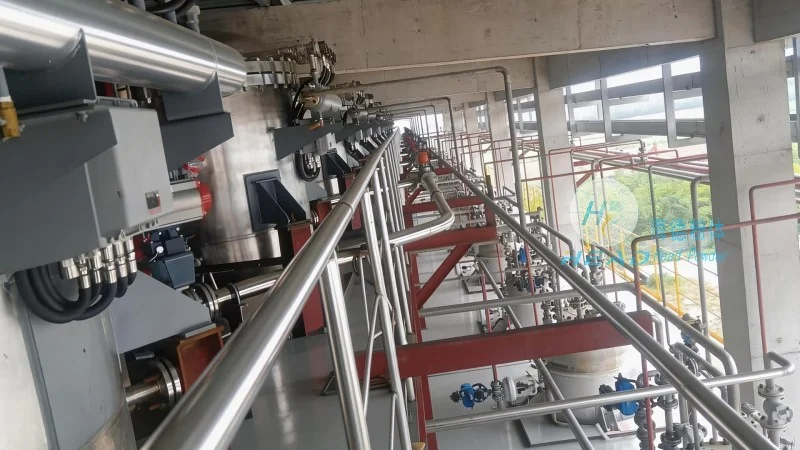
Shandong HeadPowder Engineering Co., Ltd., commonly known as HeadPowder, is a prominent company based in Shandong, China, specializing in engineering solutions for bulk material handling. The company leverages advanced pneumatic conveying systems to address the unique challenges of transporting iron concentrate, which is characterized by its fine particle size, high density, and abrasive properties. By understanding the fundamental principles of pneumatic conveying, industries can optimize material flow, minimize downtime, and improve overall operational efficiency.
Pneumatic conveying operates by transporting bulk materials through a pipeline using air or gas as the conveying medium. Two primary modes are commonly used: suction (or vacuum) conveying and pressure conveying. Suction conveying involves creating a negative pressure in the pipeline to draw material from a source, while pressure conveying uses positive pressure to push material through the system. For iron concentrate, the choice of mode depends on factors such as the distance to be covered, the material's properties, and the desired flow rate. The system typically includes components like a feeder, a conveying line, a separator, and a discharge device. The feeder ensures consistent material feed, the conveying line transports the material, the separator removes air from the material stream, and the discharge device delivers the concentrate to the target location. Key parameters, including air velocity, pressure, and material concentration, are critical to achieving efficient and stable conveying. Proper design of these components is essential to prevent blockages, ensure uniform flow, and maintain system performance.
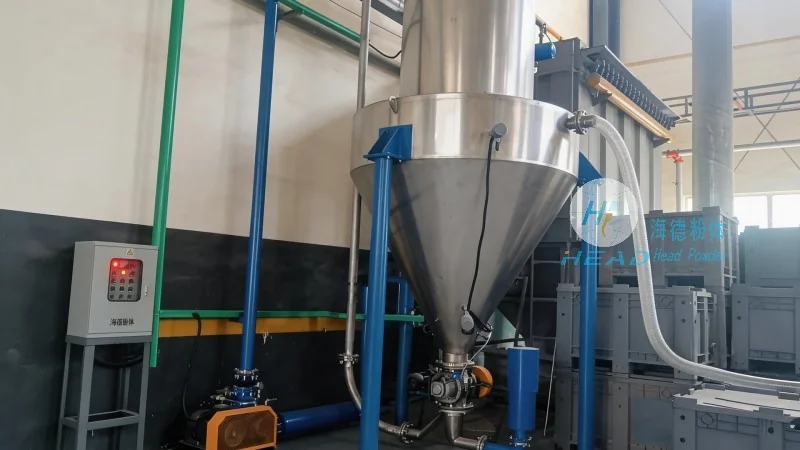
The applications of pneumatic conveying for iron concentrate span various stages of the steel production process. In mining operations, iron concentrate is transported from ore processing plants to storage facilities or directly to smelting sites. The technology is also used in steel mills to move concentrate from storage silos to balling machines or sintering plants. Additionally, in recycling and processing facilities, pneumatic conveying helps in transferring iron concentrate from crushing and grinding units to downstream processing equipment. The advantages of using pneumatic conveying in these applications include reduced labor costs, improved safety by eliminating manual handling, and the ability to handle materials in enclosed systems, minimizing environmental impact. For example, in a typical steel mill, a pneumatic conveying system can transport iron concentrate from a storage silo to a sintering machine over a distance of several hundred meters, with minimal material loss and consistent flow rates. The system's flexibility allows for integration with existing infrastructure, making it a cost-effective solution for many industrial settings.
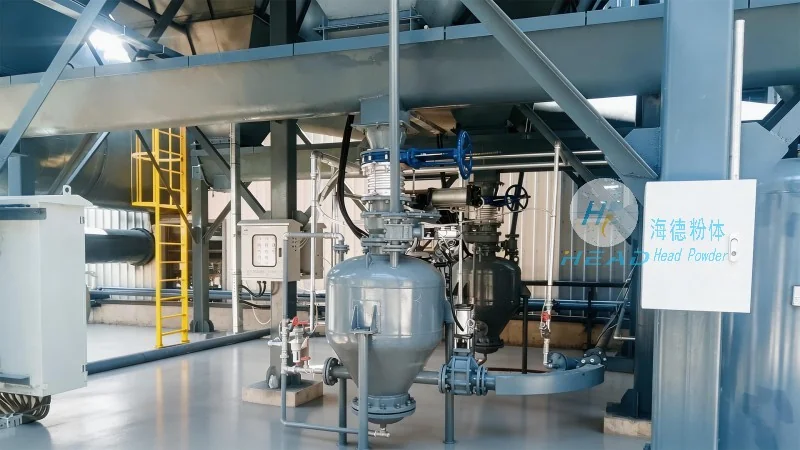
As the demand for efficient material handling in the steel industry grows, advancements in pneumatic conveying technology continue to evolve. One key trend is the integration of automation and control systems, which enhance the system's responsiveness and reliability. Modern pneumatic conveying systems often incorporate sensors and control panels that monitor parameters such as pressure, flow rate, and material level, allowing for real-time adjustments to optimize performance. Another trend is the development of more energy-efficient designs, including the use of variable frequency drives (VFDs) to regulate air flow and reduce energy consumption. Additionally, research is focused on improving the durability of components, particularly those exposed to abrasive iron concentrate, through the use of high-quality materials and coatings. The adoption of digitalization and IoT (Internet of Things) technologies is also expected to play a significant role in the future, enabling remote monitoring and predictive maintenance of pneumatic conveying systems. These advancements aim to further enhance the efficiency, safety, and sustainability of iron concentrate handling, aligning with the industry's goals of reducing environmental impact and improving operational performance.
Pneumatic conveying technology offers a robust and efficient solution for handling iron concentrate, supporting the smooth operation of steel production processes. With its ability to control dust, minimize material loss, and enhance safety, the technology is increasingly adopted by industries worldwide. Shandong HeadPowder Engineering Co., Ltd. remains at the forefront of this technology, providing tailored solutions that meet the specific needs of clients. As advancements in automation, energy efficiency, and digitalization continue, the future of pneumatic conveying for iron concentrate looks promising, with the potential to further improve the efficiency and sustainability of bulk material handling in the steel industry.

 Shandong Headpowder Engineering Co., Ltd.
 156-6277-7102(Manager Zhang)
  0531-83386006
  Zhangqiu District, Jinan City, Shandong Province, China
telephone
WeChatconsult
top