With more than 10‑year industry experience, Shandong Headpowder delivers full‑service pneumatic‑conveying systems and blowers, undertaking nationwide turn‑key powder‑handling projects.
Shandong HeadPowder Engineering Co., Ltd., commonly known as headpowder, specializes in the design, manufacturing, and implementation of advanced ceramic powder handling systems. Based in Shandong, China, the company leverages decades of industry experience to deliver efficient, reliable solutions for the transportation and processing of ceramic powders. This article provides a detailed overview of the operation process and working principles of such systems, highlighting key components, operational sequences, and technical considerations.
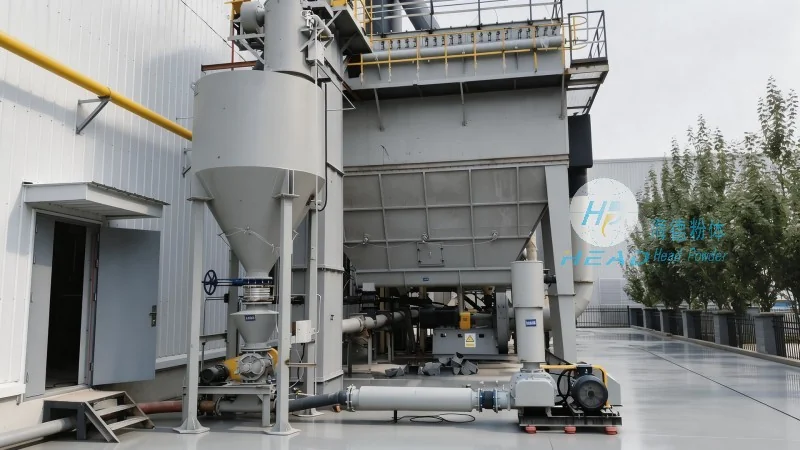
The ceramic powder handling system typically consists of several core components that work in tandem to ensure smooth material flow. These include a hopper for material storage, a feeder to control the discharge rate, a conveyor system (such as a screw or pneumatic conveyor) for transporting the powder, and a control unit to regulate the entire process. Each component plays a critical role in maintaining the integrity of the ceramic powder and ensuring consistent performance. The hopper is designed with a specific geometry to minimize material bridging and ensure uniform feeding. The feeder, often a rotary valve or a vibratory feeder, adjusts the flow rate based on process requirements. The conveyor system, whether mechanical or pneumatic, transports the powder from the hopper to the processing equipment, such as a mixer or a press. The control unit integrates sensors and actuators to monitor and adjust parameters like flow rate, pressure, and temperature, ensuring optimal operation.
The operation of a ceramic powder handling system follows a systematic sequence to ensure efficient material handling. The process begins with the loading of ceramic powder into the hopper. The hopper is filled to a level that allows for consistent feeding without overloading the system. Once the hopper is charged, the feeder activates to control the discharge rate. The powder then moves through the conveyor system, which transports it to the processing equipment. The control unit continuously monitors the system, adjusting the feeder speed or conveyor speed as needed to maintain a stable flow rate. During operation, the system may also include a dust collection system to capture any airborne particles, ensuring a clean and safe working environment. The entire process is designed to minimize downtime and maximize productivity, with each step carefully optimized to handle the unique properties of ceramic powders, such as their fine particle size and potential for static charge.
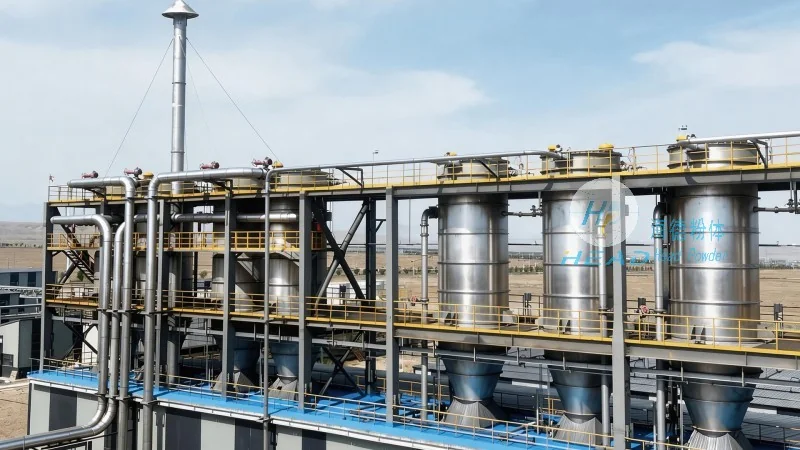
The working principle of the ceramic powder handling system is based on the principles of material flow and mechanical transport. The system operates by converting the potential energy stored in the hopper into kinetic energy that drives the powder forward. The feeder regulates the flow rate by controlling the opening of the discharge port, which is typically adjusted based on the desired throughput. The conveyor system, whether a screw conveyor or a pneumatic line, uses either mechanical force or air pressure to move the powder. In a screw conveyor, the rotating screw pushes the powder forward, while in a pneumatic system, compressed air creates a flow that carries the powder through the line. The control unit uses sensors, such as pressure transducers or flow meters, to measure the system's performance and adjust the feeder or conveyor speed accordingly. This closed-loop control ensures that the system maintains a stable flow rate, even when the hopper level changes or external factors affect the process. The system also incorporates safety features, such as pressure relief valves and overload protection, to prevent damage to equipment and ensure operator safety.
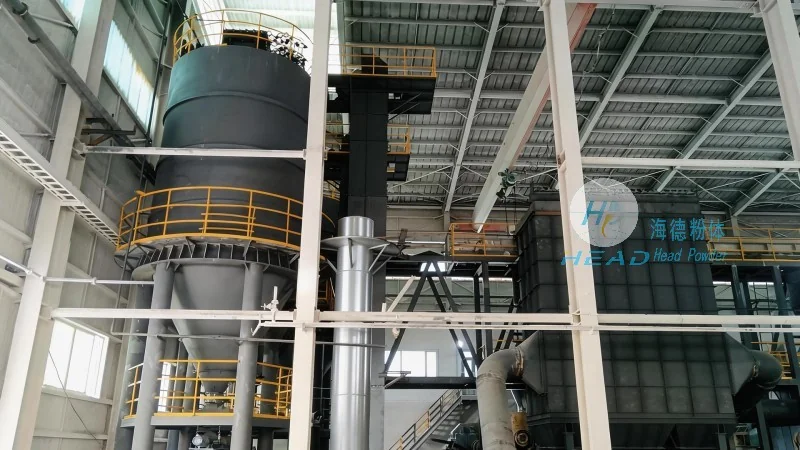
Efficient operation of a ceramic powder handling system requires careful consideration of several technical factors. First, the material properties of the ceramic powder, such as particle size distribution, moisture content, and density, must be considered when designing the system. Fine powders may require specialized feeders and conveyors to prevent clogging and ensure consistent flow. Moisture content can affect the flowability of the powder, and the system may include drying or dehumidification steps to maintain optimal conditions. The system's design must also account for the potential for static charge, which can cause powder accumulation and affect flow. Anti-static measures, such as grounding and ionizers, are often incorporated into the design to mitigate these issues. Additionally, the system's capacity and throughput must be matched to the processing requirements of the downstream equipment. Overloading the system can lead to inefficiencies and equipment damage, while underloading may result in underutilization of resources. By carefully balancing these factors, the ceramic powder handling system can operate efficiently and reliably, ensuring consistent quality of the final product.
Reliable ceramic powder handling systems are essential for the efficient production of ceramic products. The operation process and working principles of such systems, as described above, highlight the importance of each component and the need for careful design and control. By leveraging advanced technology and industry expertise, companies like Shandong HeadPowder Engineering Co., Ltd. can deliver systems that meet the specific needs of their clients. These systems not only improve productivity and reduce downtime but also ensure the quality and consistency of the ceramic powder, which is critical for the final product's performance. As the demand for high-quality ceramic materials continues to grow, the importance of efficient powder handling systems will only increase, making them a key component of modern ceramic manufacturing processes.

 Shandong Headpowder Engineering Co., Ltd.
 156-6277-7102(Manager Zhang)
  0531-83386006
  Zhangqiu District, Jinan City, Shandong Province, China
telephone
WeChatconsult
top