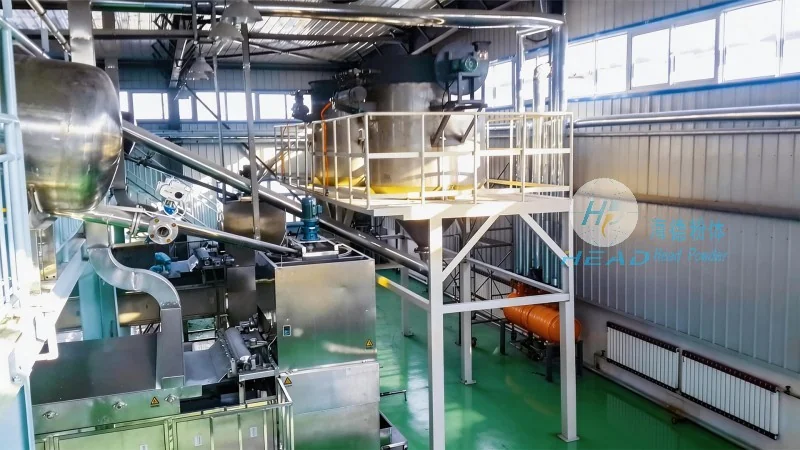
With more than 10‑year industry experience, Shandong Headpowder delivers full‑service pneumatic‑conveying systems and blowers, undertaking nationwide turn‑key powder‑handling projects.
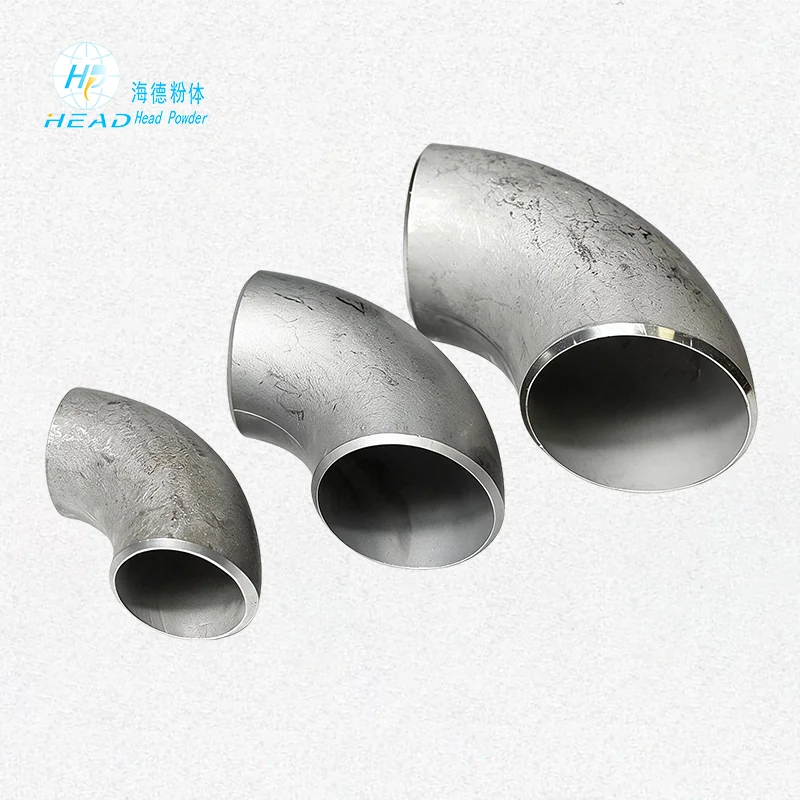
In the complex infrastructure of modern industry, the integrity of piping systems is paramount. One of the most significant challenges faced by engineers and facility managers is the rapid deterioration of pipes caused by abrasive wear. This is where the abrasion resistant elbow becomes an indispensable component. Unlike standard fittings, these specialized elbows are engineered to withstand the harsh impact of high-velocity particles, such as sand, coal, minerals, and cement powders. By utilizing a robust design that minimizes turbulence and reduces direct impact on the pipe walls, these elbows significantly extend the service life of the entire pipeline network. Whether in mining operations or power plants, the deployment of high-quality abrasion resistant elbows is essential for maintaining operational efficiency and reducing costly downtime.
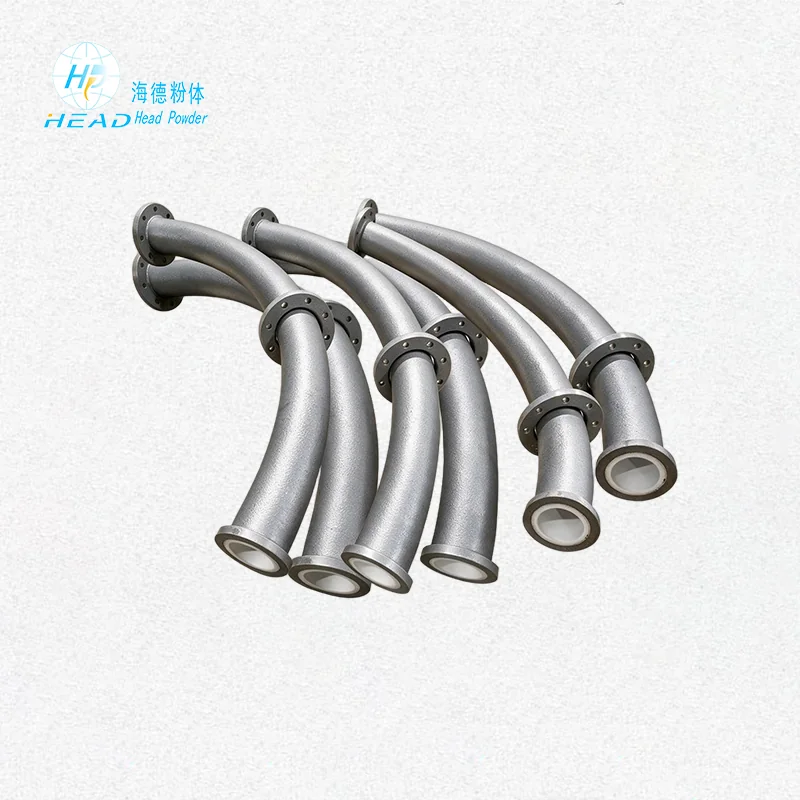
As a premier abrasion resistant elbow manufacturer, Shandong Headpowder Engineering Co., Ltd. employs state-of-the-art materials and precision manufacturing techniques to produce superior fittings. Our products are not merely standard components; they are engineered solutions designed to meet the rigorous demands of extreme environments. We utilize high-grade alloys, including high-chromium cast iron and nickel-based alloys, which are heat-treated to enhance hardness and toughness. This ensures that the internal surface of the elbow can resist scratching and gouging even under the most severe abrasive conditions. Our manufacturing process involves advanced casting and welding technologies, allowing us to create complex geometries with consistent quality. This commitment to material science and production precision is what sets our abrasion resistant elbows apart from competitors in the market.
The versatility of our products allows them to be effectively deployed across a vast array of industries. In the mining sector, these elbows are critical for transporting crushed ores and tailings, where the wear rate is exceptionally high. In the thermal power industry, they are used to handle pulverized coal, protecting the boiler feed lines from erosion. Furthermore, our abrasion resistant elbows are widely utilized in the cement, metallurgy, and chemical processing industries. Each application requires a specific customization of material hardness and wall thickness, and our engineering team excels at tailoring solutions to these unique requirements. By providing reliable flow direction changes in these harsh environments, we help industries maintain continuous production without the interruption of frequent repairs or replacements.
Located in the industrial hub of Shandong, China, Shandong Headpowder Engineering Co., Ltd. has established itself as a leader in the field of wear-resistant materials. Our company, commonly known as headpowder, is dedicated to innovation and quality control. We understand that every millimeter of wear on a pipe wall translates to financial loss. Therefore, our engineering team works tirelessly to develop products that offer maximum protection with minimal thickness, optimizing the material usage for our clients. We pride ourselves on our technical expertise and our ability to provide comprehensive support from the initial design phase through to final installation. Our presence in Shandong allows us to leverage a robust supply chain and skilled workforce, ensuring that every order is handled with the utmost professionalism.
When considering infrastructure upgrades, the total cost of ownership is a critical factor. While the initial investment in high-quality abrasion resistant elbows may be higher than that of standard fittings, the long-term savings are substantial. At Shandong Headpowder Engineering Co., Ltd., we strive to offer the most competitive abrasion resistant elbow prices in the market without compromising on quality. As a direct manufacturer, we eliminate the middleman, allowing us to pass significant savings on to our customers. We believe that high-performance engineering should be accessible to a wide range of enterprises. By providing durable, long-lasting products, we help our clients reduce their maintenance budgets and downtime, offering a superior return on investment over the product's lifecycle.

 Shandong Headpowder Engineering Co., Ltd.
 156-6277-7102(Manager Zhang)
  0531-83386006
  Zhangqiu District, Jinan City, Shandong Province, China
telephone
WeChatconsult
top