With more than 10‑year industry experience, Shandong Headpowder delivers full‑service pneumatic‑conveying systems and blowers, undertaking nationwide turn‑key powder‑handling projects.
Buckwheat hulls, a byproduct of buckwheat grain processing, require efficient handling for industries involved in food processing, agricultural product management, or biomass utilization. Pneumatic conveying systems provide a reliable and efficient method for transporting these light, powdery materials over short to medium distances. The equipment developed by Shandong HeadPowder Engineering Co., Ltd. (referred to as HeadPowder) is specifically engineered to address the unique characteristics of buckwheat hulls, ensuring minimal material loss, low maintenance requirements, and high operational efficiency.
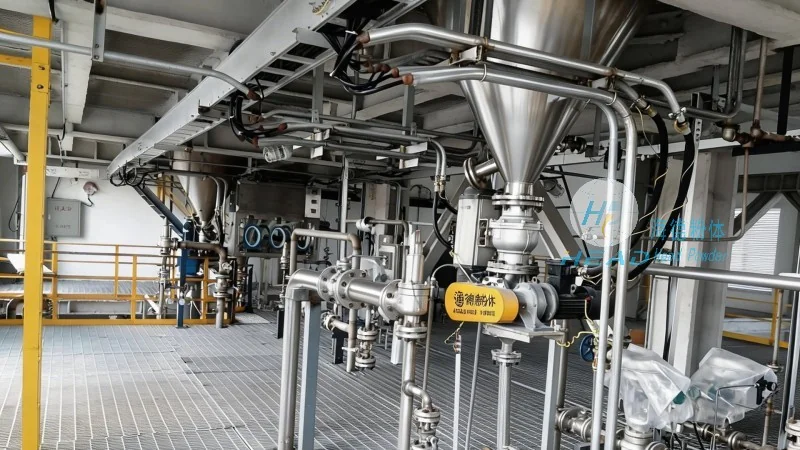
The pneumatic conveying equipment for buckwheat hulls comprises several critical components that work in unison to achieve effective material transport. These components include the hopper, which serves as the storage and feeding unit; the air compressor or blower that generates the necessary air pressure; the conveying pipeline that transports the material; and the discharge unit where the hulls are deposited. Each component is carefully selected and integrated to optimize performance and durability, especially when dealing with the light and abrasive nature of buckwheat hulls.
The operation of the buckwheat hull pneumatic conveying system initiates with the loading of hulls into the hopper. The material is then fed into the conveying pipeline via an air stream generated by the compressor. The air pressure and flow rate are precisely controlled to ensure that the hulls are carried along the pipeline without clogging or excessive wear. The system typically operates in a closed loop, with the air being filtered and recycled to maintain a clean and efficient environment. The discharge unit at the end of the pipeline collects the transported hulls, completing the process. This continuous operation allows for a steady flow of material, reducing downtime and increasing overall productivity.
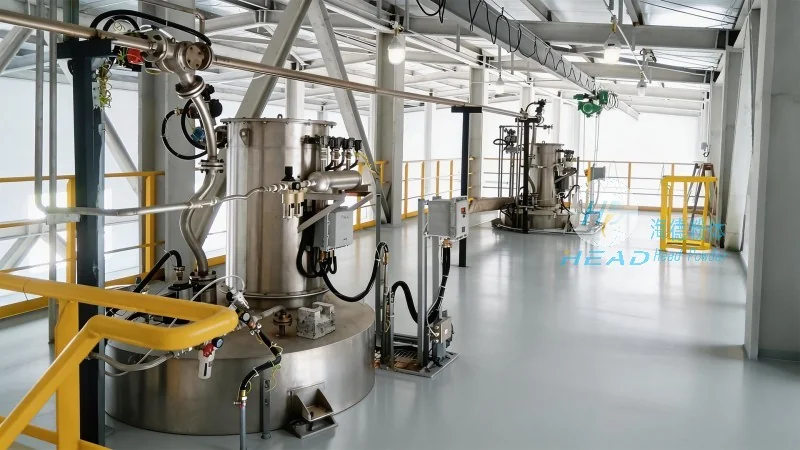
The core principle of pneumatic conveying is the use of air to move solid materials. For buckwheat hulls, the system relies on positive pressure or negative pressure (or a combination of both) to transport the material. The positive pressure system, where air is forced into the pipeline, is commonly used for short to medium distance transport, as it provides consistent and reliable movement of the hulls. The air stream creates a low-pressure zone behind the material, which pulls the hulls forward, while the forward-moving air pushes them along the pipeline. The velocity of the air is critical; it must be sufficient to overcome the gravitational force of the hulls and any friction within the pipeline, ensuring smooth and uninterrupted transport. The system is designed to maintain an optimal air-to-material ratio, which balances energy consumption with the efficiency of material transport.
Compared to traditional mechanical conveying methods, pneumatic systems offer several advantages when handling buckwheat hulls. First, they eliminate the need for moving parts in contact with the material, reducing the risk of contamination and wear. This is particularly important for food-grade applications where hygiene is paramount. Second, the closed system prevents dust and particulate matter from escaping into the environment, improving workplace safety and compliance with environmental regulations. Third, the flexibility of pneumatic conveying allows for easy integration with other processing equipment, such as storage silos or processing lines, enabling a seamless workflow. Additionally, the system can handle varying material loads and flow rates, adapting to the needs of different production stages without significant adjustments.
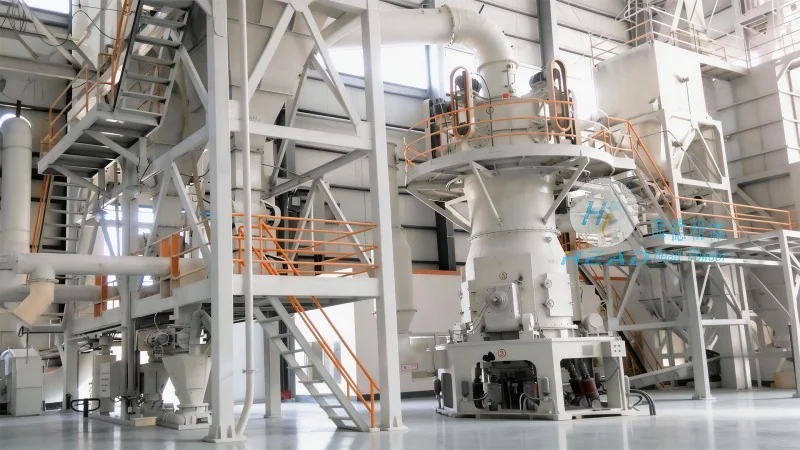
Proper maintenance is essential to ensure the long-term performance and reliability of the buckwheat hull pneumatic conveying equipment. Regular checks of the air compressor or blower for proper pressure and flow rates are crucial. The hopper and feeding mechanisms should be inspected for any blockages or wear, as these can affect the material flow. The conveying pipeline should be kept clean and free of debris to prevent clogging and maintain efficient air movement. Filters in the system should be replaced or cleaned regularly to prevent dust buildup and maintain air quality. Additionally, monitoring the discharge unit for any signs of material buildup or blockage helps in early detection of potential issues. By following a regular maintenance schedule, the equipment can operate at peak efficiency, minimizing downtime and maximizing the lifespan of the components.
Shandong HeadPowder Engineering Co., Ltd., operating under the brand name HeadPowder, is a leading manufacturer of specialized pneumatic conveying equipment. With a focus on innovation and customer satisfaction, the company has developed advanced solutions tailored to the unique needs of industries handling agricultural and food products. HeadPowder's expertise lies in designing equipment that is not only efficient but also durable and easy to maintain, ensuring that clients can achieve optimal performance and cost-effectiveness. The company's facilities are located in Shandong, China, where it leverages local resources and expertise to deliver high-quality products and services to customers worldwide.

 Shandong Headpowder Engineering Co., Ltd.
 156-6277-7102(Manager Zhang)
  0531-83386006
  Zhangqiu District, Jinan City, Shandong Province, China
telephone
WeChatconsult
top