With more than 10‑year industry experience, Shandong Headpowder delivers full‑service pneumatic‑conveying systems and blowers, undertaking nationwide turn‑key powder‑handling projects.
Grain silo pneumatic conveying equipment is a critical component in modern grain storage and handling systems, designed to efficiently transport bulk materials like grains, seeds, and other agricultural products within storage facilities. The operation of such equipment involves a series of coordinated steps that ensure smooth material movement while maintaining operational efficiency and safety. This article explores the detailed operation process and working principles of grain silo pneumatic conveying systems, highlighting key components and their functions.
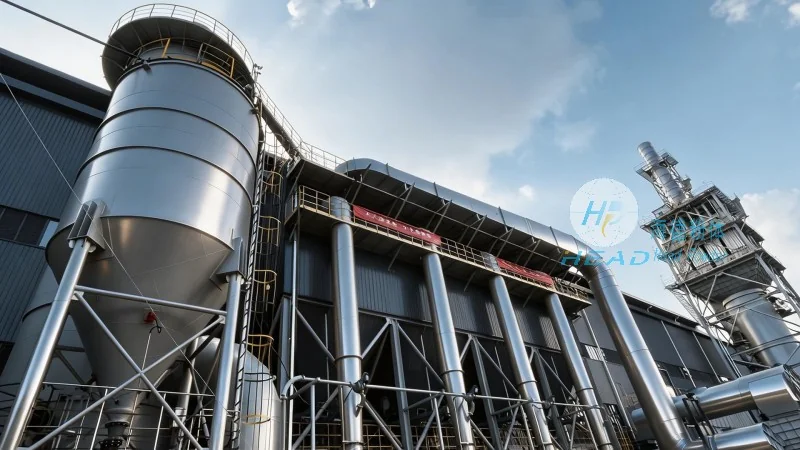
Grain silo pneumatic conveying systems are engineered to handle large volumes of bulk materials with minimal manual intervention. These systems typically consist of several core components, including a hopper for material storage, a conveyor line for transporting material, a dust collection system to maintain air quality, and a control panel for monitoring and adjusting operations. The design of these systems is tailored to the specific characteristics of the material being handled, such as particle size, density, and moisture content, ensuring optimal performance and preventing material degradation.
The effectiveness of a grain silo pneumatic conveying system relies on the proper functioning of its key components. The hopper serves as the primary storage unit, where raw materials are loaded before being conveyed. It is equipped with a discharge valve that controls the flow of material into the conveyor line. The conveyor line, often made of flexible or rigid tubing, is the main pathway for material transport. It may include bends, elbows, and vertical sections to navigate the layout of the silo. The dust collection system, typically a filter or cyclone, removes airborne particles from the exhaust air, ensuring compliance with environmental regulations and maintaining a safe working environment. The control panel allows operators to adjust parameters such as air pressure, flow rate, and material feed rate, enabling real-time monitoring and adjustment of the system's performance.
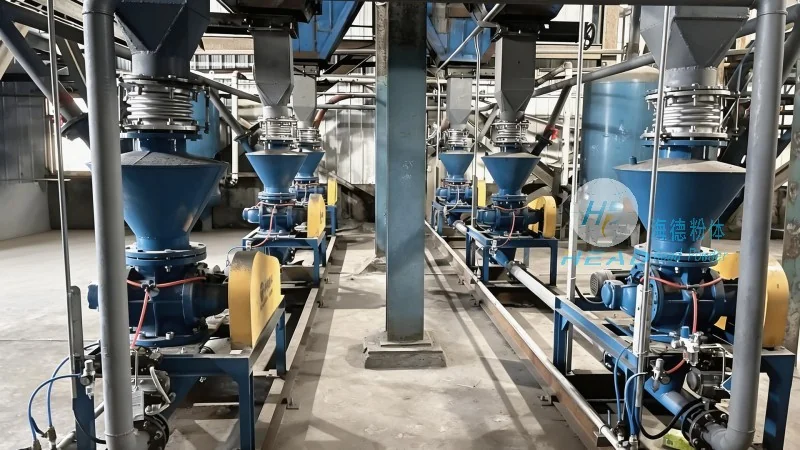
The operation process of grain silo pneumatic conveying equipment begins with the loading of raw materials into the hopper. Once the hopper is filled, the discharge valve opens, allowing material to flow into the conveyor line. Simultaneously, a fan or blower generates a flow of air within the conveyor line, creating a pressure differential that propels the material forward. The air and material mixture travels through the conveyor line, passing through bends and vertical sections as required by the silo's layout. At the receiving end, the material is separated from the air using a separator, such as a cyclone or filter, and the material is discharged into the target storage or processing area. The exhaust air is then filtered to remove any residual dust before being released back into the environment.
The working principle of pneumatic conveying in grain silos is based on the use of air to transport bulk materials. There are two main types of pneumatic conveying systems: pressure and vacuum. Pressure systems use a positive pressure blower to force air and material through the conveyor line, while vacuum systems use a negative pressure fan to draw material into the line. In grain silo applications, pressure systems are more common due to their ability to handle higher material loads and longer conveyor distances. The system operates by creating a pressure gradient along the conveyor line, with higher pressure at the inlet and lower pressure at the outlet. This pressure difference drives the material forward, with the air acting as a carrier medium. The efficiency of the system depends on the balance between air flow and material feed rate, as well as the design of the conveyor line and components.
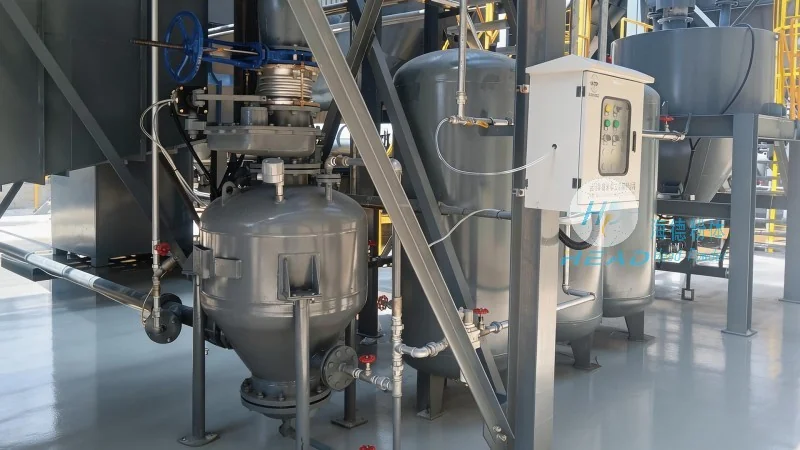
Grain silo pneumatic conveying equipment offers several advantages over traditional mechanical conveying methods. These systems are capable of handling a wide range of materials, including fine powders and granules, without the need for mechanical components that can cause wear and tear. The use of air as a carrier reduces the risk of material contamination and damage, which is particularly important for food-grade products. Additionally, pneumatic conveying systems are more flexible in terms of layout, allowing for vertical and horizontal transport in a single system. This flexibility makes them suitable for various applications, such as transferring grain from storage silos to processing facilities, loading trucks or containers, or moving material between different parts of a warehouse.
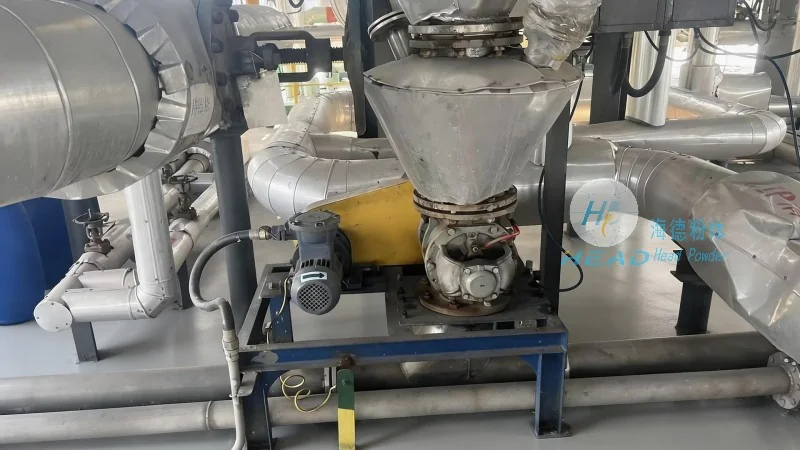
Proper maintenance is essential to ensure the long-term performance and reliability of grain silo pneumatic conveying equipment. Regular inspections of components such as the hopper, conveyor line, and dust collection system are necessary to identify and address any issues before they lead to system failure. The control panel should be checked regularly to ensure that all sensors and controls are functioning correctly. The air filter and dust collection system should be cleaned or replaced as needed to maintain air quality and prevent clogging. Additionally, operators should follow the manufacturer's guidelines for operating parameters, such as air pressure and material feed rate, to avoid overloading the system and causing damage. By adhering to proper maintenance practices, the lifespan of the equipment can be extended, and operational costs can be minimized.
Shandong HeadPowder Engineering Co., Ltd., a leading manufacturer of grain handling equipment, specializes in the design, manufacturing, and installation of pneumatic conveying systems for grain silos. With years of experience in the industry, the company has developed a reputation for producing high-quality, reliable equipment that meets the needs of modern agricultural operations. HeadPowder's team of engineers and technicians work closely with clients to understand their specific requirements and provide customized solutions that optimize material handling efficiency and reduce operational costs. The company's headquarters is located in Shandong, China, where it maintains a state-of-the-art manufacturing facility equipped with advanced technology and quality control processes. HeadPowder is committed to providing superior customer service and support, ensuring that clients receive the best possible solutions for their grain storage and handling needs.

 Shandong Headpowder Engineering Co., Ltd.
 156-6277-7102(Manager Zhang)
  0531-83386006
  Zhangqiu District, Jinan City, Shandong Province, China
telephone
WeChatconsult
top