With more than 10‑year industry experience, Shandong Headpowder delivers full‑service pneumatic‑conveying systems and blowers, undertaking nationwide turn‑key powder‑handling projects.
Metallurgical coke powder pneumatic conveying systems are critical in industrial applications for efficiently transporting bulk materials. The process involves a series of components and steps designed to handle the unique properties of coke powder, ensuring reliable and safe material transfer. This article explores the operation process and working principle of such systems, highlighting key aspects that contribute to their effectiveness.
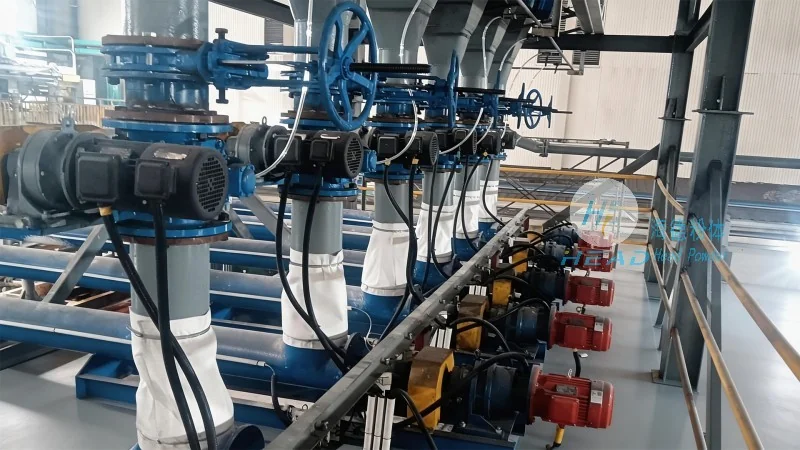
Pneumatic conveying is a method of transporting solid materials through a pipeline using a gas stream, typically air or other gases. In the context of metallurgical coke powder, these systems are engineered to manage the material's characteristics, such as its density, particle size, and flowability. The primary goal is to achieve efficient, low-cost, and safe transportation from the source to the destination, minimizing material loss and operational disruptions.
The operation of a pneumatic conveying system for metallurgical coke powder relies on several interconnected components. These include the material feed hopper, which holds the coke powder and controls the flow rate; the conveying pipeline, which transports the material; the air compressor or vacuum pump, which generates the necessary pressure or suction to move the material; and the control valves and regulators, which manage the airflow and pressure. Additionally, the system may incorporate filters and dust collectors to ensure environmental compliance and protect equipment from wear.
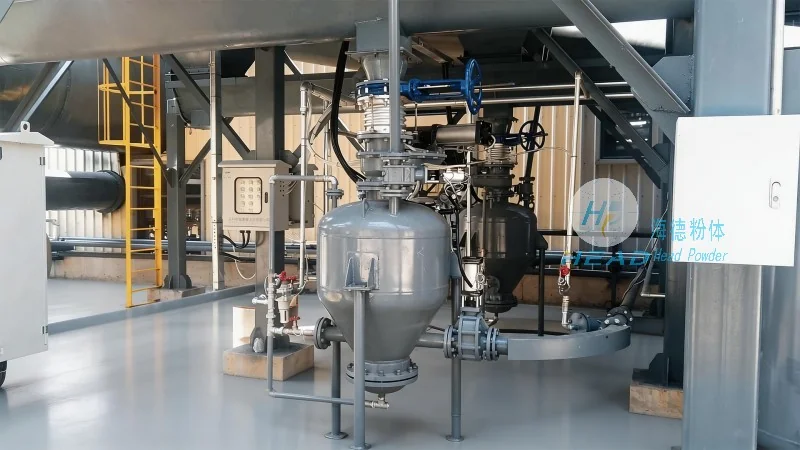
The operation process of a metallurgical coke powder pneumatic conveying system typically follows a sequential workflow. First, the coke powder is fed into the material hopper from the storage silo or bulk container. The hopper is equipped with a feeder, such as a rotary valve or screw conveyor, which regulates the material discharge rate. Next, the air compressor or vacuum pump generates the required airflow, either by pressurizing the pipeline (pressure conveying) or creating a vacuum (suction conveying). The material is then entrained by the gas stream and carried through the pipeline to the destination point, such as a storage silo, processing unit, or discharge hopper.
At the receiving end, the material is separated from the air using a separator or cyclone. The separated coke powder is collected in the discharge hopper, while the air is either filtered and recirculated or vented to the atmosphere, depending on the system design. The control system monitors and adjusts the flow rates, pressure, and other parameters to maintain optimal performance and prevent system failures.
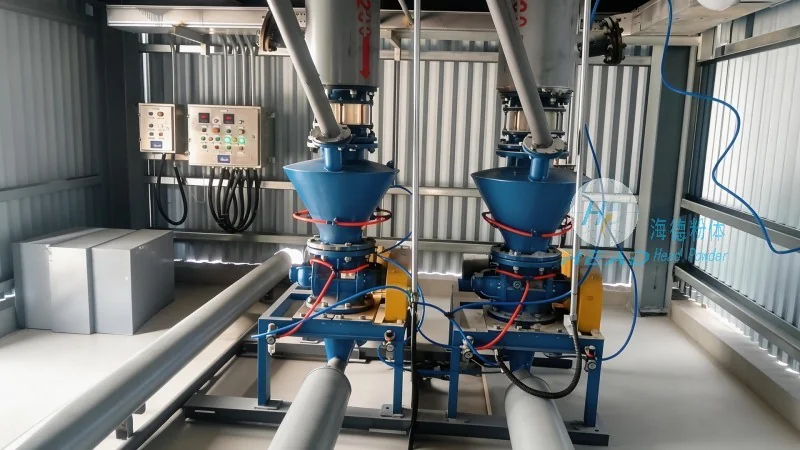
The working principle of pneumatic conveying for metallurgical coke powder is based on the interaction between the solid particles and the gas stream. In pressure conveying, the air compressor supplies high-pressure air that pushes the material through the pipeline. The velocity of the air must be sufficient to overcome the gravitational and frictional forces acting on the particles, ensuring they remain suspended and transported. In suction conveying, a vacuum pump creates a low-pressure environment that draws the material into the pipeline, where it is carried by the air flow.
Key factors influencing the conveying efficiency include the particle size distribution, moisture content, and density of the coke powder. Larger or heavier particles may require higher air velocities or pressure differentials to be effectively conveyed. The system design, including pipeline diameter, length, and bends, also plays a crucial role in determining the optimal operating conditions. Properly sized and positioned components, such as the feeder and separator, are essential to prevent blockages and ensure smooth operation.
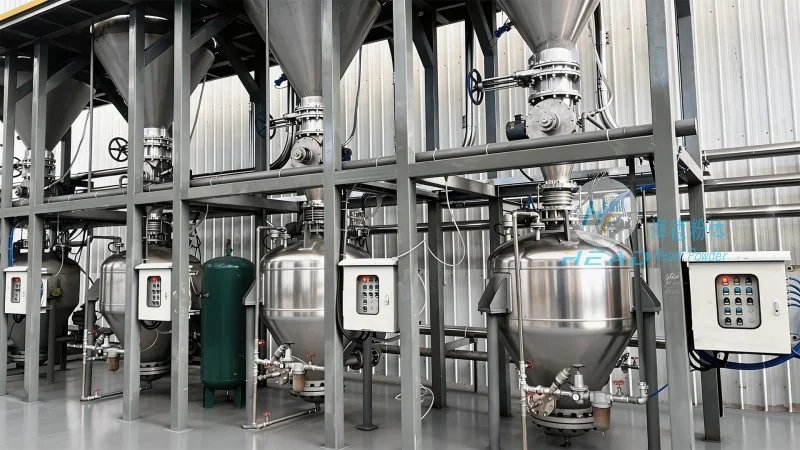
Metallurgical coke powder pneumatic conveying systems are widely used in various industrial applications, including steel production, chemical processing, and material handling. The primary benefits of these systems include high efficiency in material transport, reduced labor costs, and improved safety compared to traditional methods like manual handling or truck transport. Additionally, pneumatic conveying minimizes material contamination and loss, which is critical for high-value coke powder used in metallurgical processes.
Companies like Shandong HeadPowder Engineering Co., Ltd. specialize in designing and manufacturing customized pneumatic conveying solutions tailored to the specific needs of metallurgical operations. Their expertise in material handling and system integration ensures that clients receive reliable, efficient, and cost-effective equipment that meets industry standards and regulatory requirements. With a focus on quality and performance, HeadPowder provides comprehensive services, from system design and installation to maintenance and support, helping clients optimize their material handling processes and enhance overall operational efficiency.

 Shandong Headpowder Engineering Co., Ltd.
 156-6277-7102(Manager Zhang)
  0531-83386006
  Zhangqiu District, Jinan City, Shandong Province, China
telephone
WeChatconsult
top