With more than 10‑year industry experience, Shandong Headpowder delivers full‑service pneumatic‑conveying systems and blowers, undertaking nationwide turn‑key powder‑handling projects.
Understanding the operation process and working principle of cement powder pneumatic conveying is crucial for optimizing material handling in industrial applications. This technology, widely used in the cement industry, involves the transportation of bulk cement powder through a pipeline using compressed air. The following sections provide a detailed overview of the key components, operational steps, and technical aspects involved in this efficient material transport system.
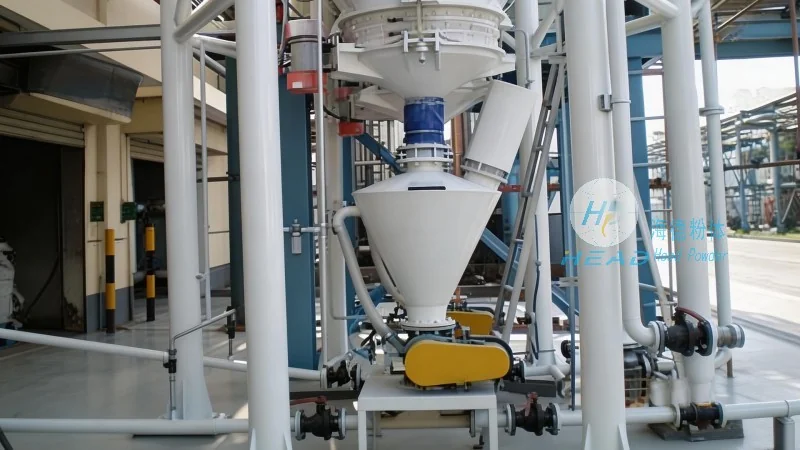
The pneumatic conveying system for cement powder typically consists of several essential components that work in tandem to ensure smooth and reliable operation. These components include the material hopper, air compressor, conveying pipeline, dust collector, and control system. Each component plays a vital role in the overall functionality of the system.
The material hopper is designed to store and feed the cement powder into the conveying line. It often features a hopper with a conical bottom to facilitate uniform material discharge. The hopper may also be equipped with a feeder, such as a rotary valve or a screw feeder, to regulate the flow rate of the cement powder. This ensures that the material is introduced into the pipeline at a controlled rate, preventing blockages and maintaining consistent conveying performance.
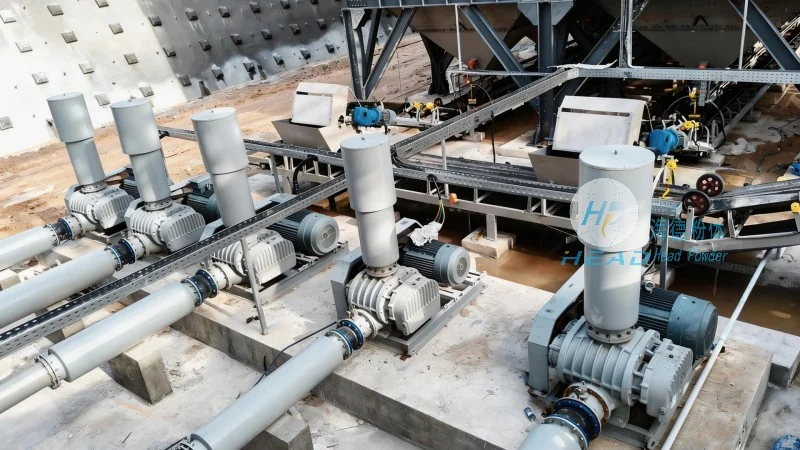
The air compressor is the heart of the system, responsible for generating the necessary pressure and airflow to move the cement powder through the pipeline. Different types of compressors, such as rotary lobe or screw compressors, are commonly used depending on the system requirements and the characteristics of the cement powder. The compressor must be capable of delivering sufficient air volume and pressure to overcome the resistance within the pipeline and ensure the material is transported efficiently.
The conveying pipeline is a critical component that carries both the cement powder and the air. It is typically made of stainless steel or other corrosion-resistant materials to withstand the abrasive nature of the cement powder and the effects of compressed air. The pipeline is designed with appropriate bends and elbows to guide the material flow while minimizing pressure losses. The diameter and length of the pipeline are carefully selected based on the material characteristics and the required conveying capacity.
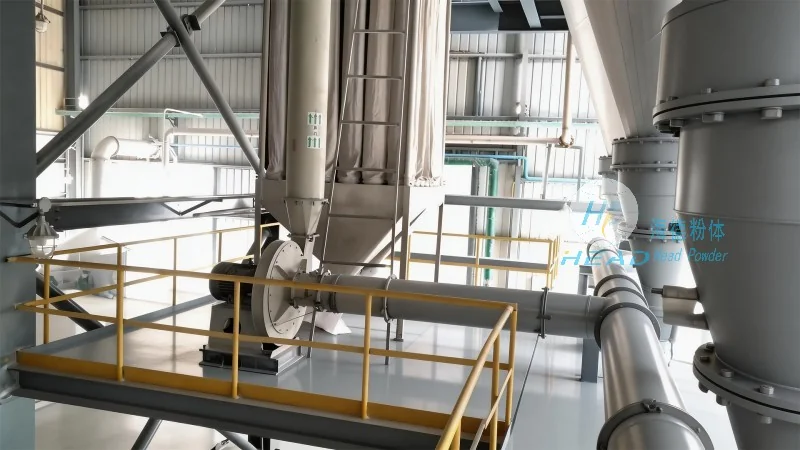
The dust collector is an essential safety and environmental component that captures any airborne dust particles during the conveying process. It helps to maintain a clean working environment and comply with environmental regulations. The dust collector may include a filter system that separates the cement powder from the air, allowing the clean air to be recirculated or discharged safely.
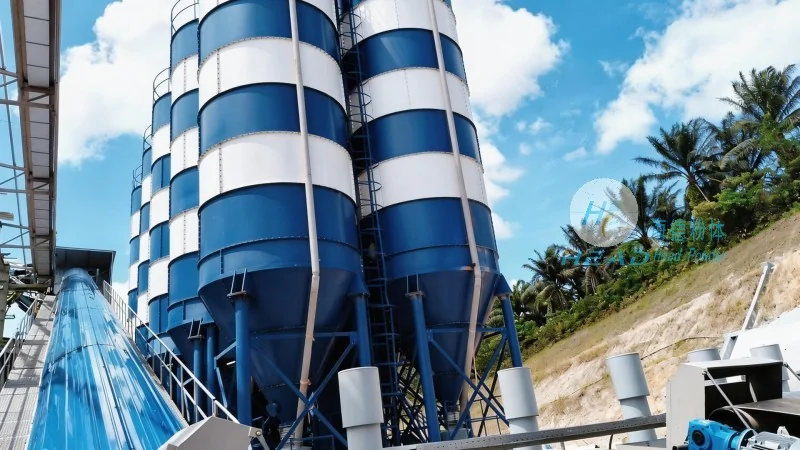
The working principle of cement powder pneumatic conveying is based on the use of compressed air to create a flow of material within the pipeline. There are two main types of pneumatic conveying systems: dilute-phase and dense-phase. Dilute-phase systems operate at higher air velocities, where the material is suspended in the air stream, while dense-phase systems operate at lower velocities, where the material is transported in a more compact form.
In a dilute-phase conveying system, the compressed air is introduced into the material hopper, creating a low-pressure zone that draws the cement powder into the pipeline. The air velocity is high enough to keep the powder particles suspended, preventing them from settling or clogging the pipeline. The material is then transported through the pipeline to the discharge point, where the air and powder are separated. The separated air may be filtered and recirculated, while the cement powder is collected in a storage bin or directly used in the production process.
In a dense-phase conveying system, the air velocity is lower, and the material is transported in a more compact form, often as a slurry or a plug flow. This method is particularly useful for transporting sensitive materials or when high pressure drops are required. The dense-phase system typically involves a higher air pressure and a lower air volume compared to dilute-phase systems. The material is introduced into the pipeline in a controlled manner, and the air is used to push the material forward, ensuring a stable and efficient transport.
The operation process of a cement powder pneumatic conveying system involves several sequential steps that ensure the smooth and continuous transport of the material. The process begins with the loading of the cement powder into the material hopper. The hopper is filled to a certain level, and the feeder is activated to regulate the flow rate. The compressed air is then turned on, creating the necessary pressure and airflow to start the conveying process.
Once the system is operational, the cement powder is drawn from the hopper into the pipeline by the low-pressure zone created by the compressed air. The air velocity is maintained at a level that keeps the powder particles suspended, ensuring that the material flows smoothly through the pipeline. The pipeline may include various components such as bends, elbows, and filters to guide the material and maintain system efficiency.
At the discharge point, the air and cement powder are separated. The separated air is typically filtered and recirculated back to the system, while the cement powder is collected in a storage bin or directly fed into the next production stage. The system may include a control system that monitors the pressure, flow rate, and other parameters to ensure optimal performance and prevent any issues such as blockages or overloading.
Cement powder pneumatic conveying offers several advantages over traditional material handling methods, such as belt conveyors or bucket elevators. One of the primary benefits is the ability to transport the material over long distances without the need for multiple transfer points. This reduces the risk of material spillage and contamination, improving overall operational efficiency.
Another significant advantage is the flexibility of the system. Pneumatic conveying systems can be easily modified or expanded to accommodate changes in production requirements or to transport different types of materials. The system can be designed to handle various particle sizes and moisture contents, making it suitable for a wide range of cement powder applications.
The system also provides a clean and safe working environment. By using compressed air to transport the material, there is no direct contact between the material and the equipment, reducing the risk of dust exposure and improving worker safety. Additionally, the system can be equipped with dust collection and filtration systems to minimize environmental impact.
Applications of cement powder pneumatic conveying include the transportation of cement from storage silos to production lines, the transfer of cement between different production facilities, and the delivery of cement to construction sites. The technology is widely used in the cement industry, as well as in other industries such as chemical, pharmaceutical, and food processing, where bulk powder handling is required.
Proper maintenance is essential to ensure the reliable and efficient operation of a cement powder pneumatic conveying system. Regular inspection and maintenance of the components, such as the air compressor, pipeline, and dust collector, are necessary to prevent breakdowns and extend the system's lifespan.
Common issues that may arise in pneumatic conveying systems include blockages, pressure drops, and air leaks. Blockages can occur due to the accumulation of material in the pipeline or the feeder, which can be caused by improper flow control or excessive material moisture. Pressure drops may indicate a clogged pipeline or a malfunctioning air compressor. Air leaks can reduce the system's efficiency and increase energy consumption.
Troubleshooting these issues typically involves checking the system parameters, such as pressure and flow rate, and inspecting the components for any signs of wear or damage. Cleaning the pipeline and feeder, adjusting the feeder settings, or replacing worn parts may be necessary to resolve the problems. Regular maintenance, including cleaning the dust collector and checking the air filter, can help prevent many of these issues and ensure the system operates at optimal performance.
Cement powder pneumatic conveying is a highly efficient and versatile technology for transporting bulk cement powder in industrial applications. By understanding the key components, working principles, and operational process, users can optimize the system for their specific needs and ensure reliable and safe material handling. With proper maintenance and troubleshooting, the system can provide long-term performance and contribute to improved operational efficiency in the cement industry and beyond.

 Shandong Headpowder Engineering Co., Ltd.
 156-6277-7102(Manager Zhang)
  0531-83386006
  Zhangqiu District, Jinan City, Shandong Province, China
telephone
WeChatconsult
top