With more than 10‑year industry experience, Shandong Headpowder delivers full‑service pneumatic‑conveying systems and blowers, undertaking nationwide turn‑key powder‑handling projects.
Pneumatic conveying systems have become a cornerstone of efficient material handling in modern industrial applications, particularly for transporting bulk materials like paddy husk ash. This article provides a detailed exploration of the operation process and working principle of a paddy husk ash pneumatic conveying system, outlining its core components, operational mechanics, and the role of specialized engineering firms in its implementation.
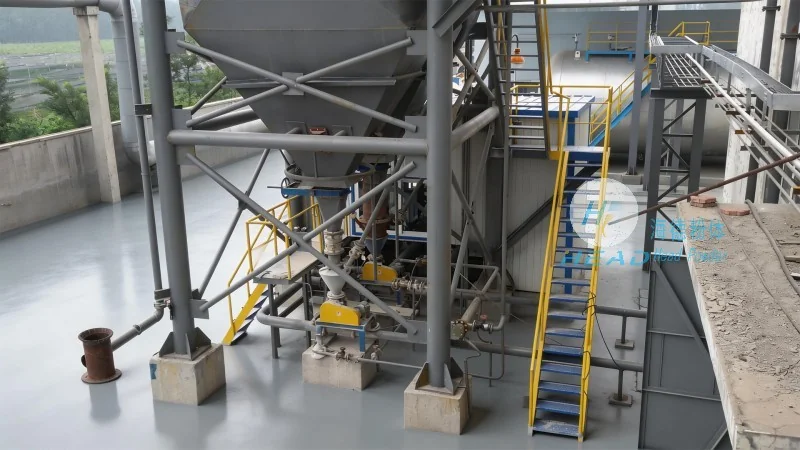
Pneumatic conveying leverages air or gas to transport bulk materials through a network of pipes, offering advantages such as minimal equipment wear, the ability to handle abrasive or dusty materials, and flexible system configurations. These systems are widely adopted across sectors including agriculture, food processing, and waste management due to their adaptability and efficiency. The fundamental principle revolves around creating a pressure differential that propels the material through the pipeline, ensuring a continuous and controlled flow.
The operation of a paddy husk ash pneumatic conveying system relies on several interconnected components, each with a specific function. Key components include a material feeder, conveying pipeline, pressure/vacuum source, separation unit, and collection hopper. The material feeder introduces paddy husk ash into the system at a regulated rate, ensuring consistent material flow. The conveying pipeline—typically constructed from durable materials like stainless steel or high-density polyethylene—transports the material from the feeder to the separation unit. The pressure or vacuum source, often a blower or vacuum pump, generates the necessary airflow to move the material through the pipeline. The separation unit, such as a cyclone or filter, separates the material from the air stream, allowing the ash to be collected while the air is either recirculated or discharged.
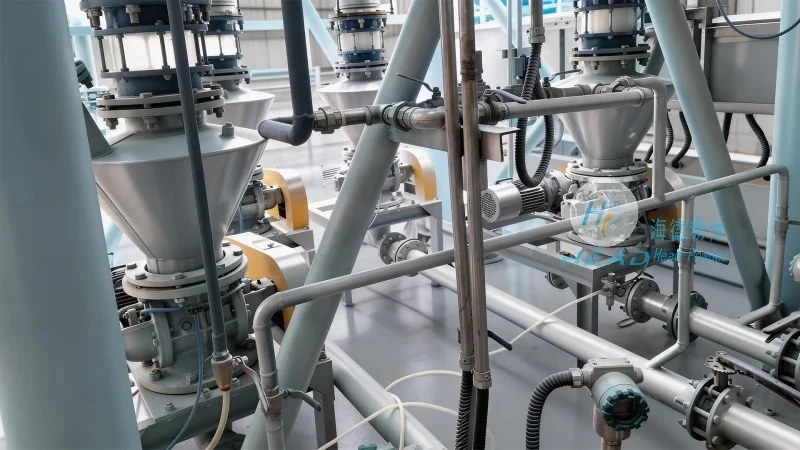
The working principle is rooted in fluid dynamics and particle transport mechanics. When the material feeder introduces paddy husk ash into the pipeline, the pressure source creates an air stream that entrains the particles. The air velocity within the pipeline must be sufficient to overcome gravitational forces and maintain a stable suspension of the material. As the material travels through the pipeline, it is carried by the air until it reaches the separation unit. Here, centrifugal force or filtration separates the ash from the air, with the ash collected in the hopper and the air processed further. The collected ash is then transferred to subsequent processing or storage stages.
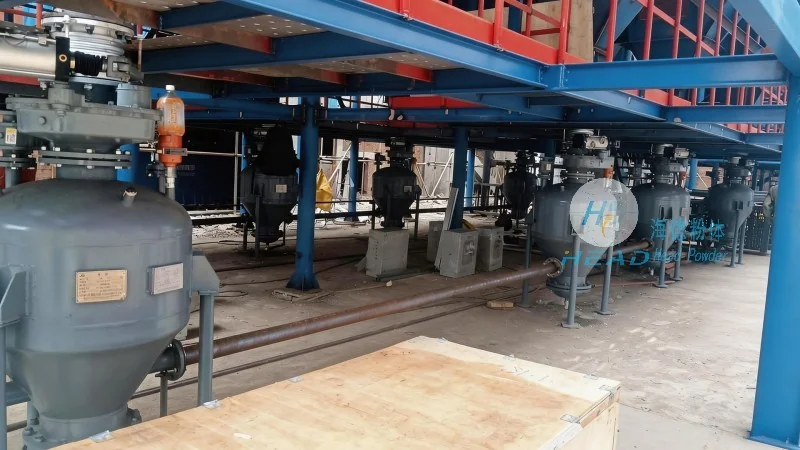
The operational process involves sequential steps to ensure efficient material transport. It begins with the material feeder regulating the flow rate of paddy husk ash into the system. The feeder then transfers the material into the conveying pipeline, where the pressure source generates the necessary airflow. The air stream carries the ash particles through the pipeline, maintaining consistent velocity to prevent settling or blockages. At the pipeline's end, the separation unit receives the air-material mixture and separates the ash from the air. The separated ash is collected in the hopper, while the air is filtered and recirculated or discharged. The collected ash is subsequently transported to the next processing stage. The entire process is monitored by sensors and controls to ensure optimal performance and safety.
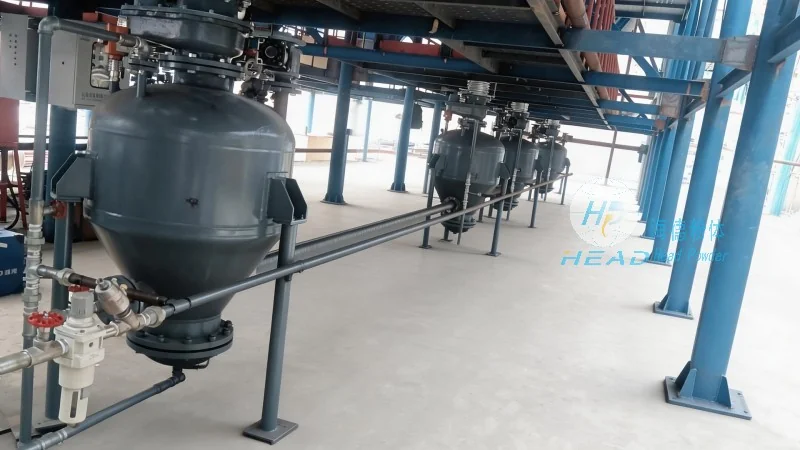
Shandong HeadPowder Engineering Co., Ltd. is a leading provider of industrial engineering solutions, specializing in the design, manufacturing, and installation of pneumatic conveying systems for bulk materials, including paddy husk ash. The company focuses on innovation and customer-centric solutions, leveraging advanced engineering to develop customized systems that meet specific client needs. Its expertise in material handling and pneumatic technology ensures systems are efficient, reliable, and compliant with industry standards. By partnering with Shandong HeadPowder Engineering Co., Ltd., industrial facilities can enhance material handling capabilities, reduce operational costs, and improve productivity.
Paddy husk ash pneumatic conveying systems offer an efficient and effective solution for bulk material transport in industrial settings. The operation process—encompassing feeding, conveying, separating, and collecting—is based on established principles of fluid dynamics and particle transport. With support from specialized engineering firms like Shandong HeadPowder Engineering Co., Ltd., industries can implement these systems to boost operational efficiency and meet material handling requirements. As demand for sustainable and efficient material handling solutions grows, pneumatic conveying systems will remain critical to modern industrial operations.

 Shandong Headpowder Engineering Co., Ltd.
 156-6277-7102(Manager Zhang)
  0531-83386006
  Zhangqiu District, Jinan City, Shandong Province, China
telephone
WeChatconsult
top