With more than 10‑year industry experience, Shandong Headpowder delivers full‑service pneumatic‑conveying systems and blowers, undertaking nationwide turn‑key powder‑handling projects.
HeadPowder, a leading provider in the field of material handling solutions, specializes in the design, manufacturing, and implementation of advanced pneumatic conveying systems. This article focuses on the operation process and working principle of soda ash (sodium carbonate) pneumatic conveying, highlighting the technical aspects and practical applications of such systems. The company, with its headquarters in Shandong, China, leverages over years of industry experience to deliver efficient and reliable solutions tailored to the needs of various industrial sectors.
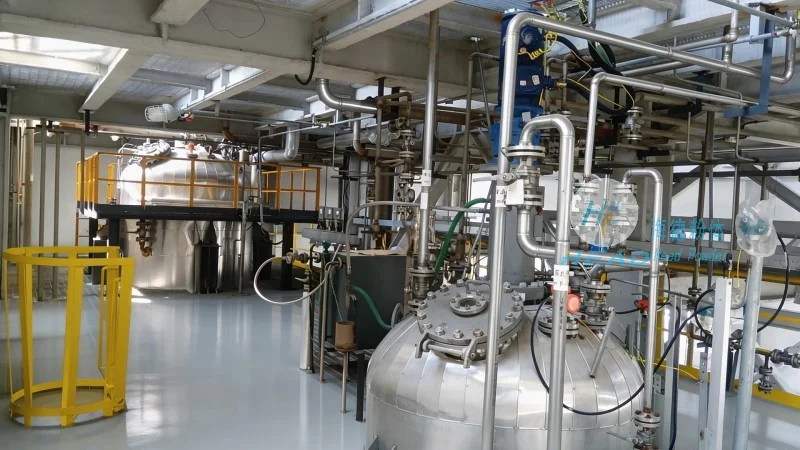
Soda ash, or sodium carbonate (Na₂CO₃), is a widely used chemical compound in industries such as glass manufacturing, paper production, and water treatment. Due to its granular or powder form, traditional handling methods like manual conveying or bucket elevators can be inefficient and pose safety risks. Pneumatic conveying offers a more effective solution by transporting the material through a pipeline using air or other gases, ensuring a clean, dust-free, and continuous process.
A typical soda ash pneumatic conveying system consists of several key components that work in tandem to ensure smooth operation. These include the material feed hopper, which stores and feeds the soda ash into the system; the air compressor or blower, which generates the necessary air pressure to move the material; the conveying line, which is a network of pipes that transports the material from the source to the destination; and the receiving hopper or silo, where the material is collected. Additionally, components like rotary valves, filters, and dust collectors are often integrated to enhance system performance and maintain air quality.
The fundamental principle of pneumatic conveying is the use of air flow to entrain and transport solid particles. In a positive pressure system, the air compressor pushes air through the conveying line, creating a high-pressure environment that lifts and moves the soda ash particles. The material is suspended in the air stream and travels through the pipeline until it reaches the receiving end. In contrast, a negative pressure (or vacuum) system uses a vacuum pump to draw air and material from the source, creating a low-pressure zone that pulls the material along the line. Both systems are designed to handle different material characteristics and operational requirements, with positive pressure systems generally preferred for longer distances and higher material loads.
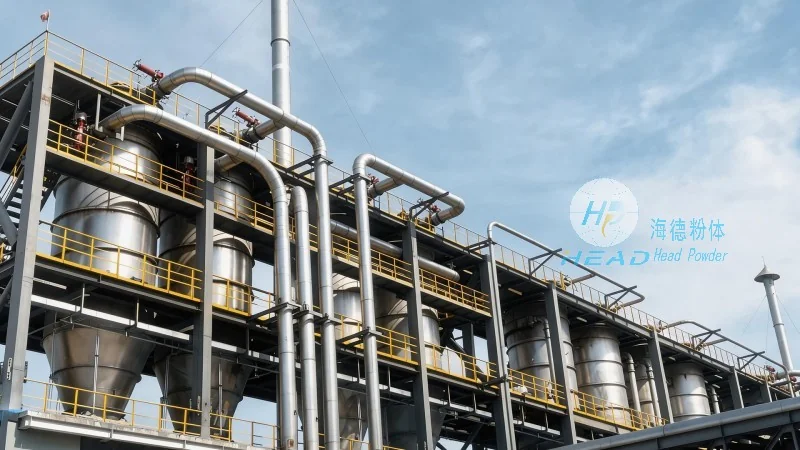
The operation process of a soda ash pneumatic conveying system involves several sequential steps. First, the soda ash is fed into the material hopper from the storage silo or batch container. The rotary valve then controls the flow rate, ensuring a consistent supply of material into the conveying line. The air compressor or blower is activated, generating the required air pressure or vacuum. As the air flows through the line, it entrains the soda ash particles, forming a slurry-like mixture that travels through the pipeline. At the receiving end, the material is separated from the air using a cyclone separator or filter, and the air is either recirculated or discharged. The separated soda ash is collected in the receiving hopper, ready for further processing or storage. This process is typically automated, with sensors and control systems monitoring parameters such as pressure, flow rate, and material level to maintain optimal performance.
Implementing pneumatic conveying for soda ash handling offers numerous advantages over traditional methods. One of the primary benefits is the elimination of dust and contamination, as the material is contained within the pipeline. This improves workplace safety and reduces the risk of product degradation. Additionally, pneumatic systems provide a continuous and uniform flow of material, enhancing production efficiency and reducing downtime. The compact design of the system saves space, making it suitable for both new installations and retrofitting existing facilities. Furthermore, the ability to transport materials over long distances without the need for intermediate storage or manual handling reduces labor costs and improves overall operational flexibility.
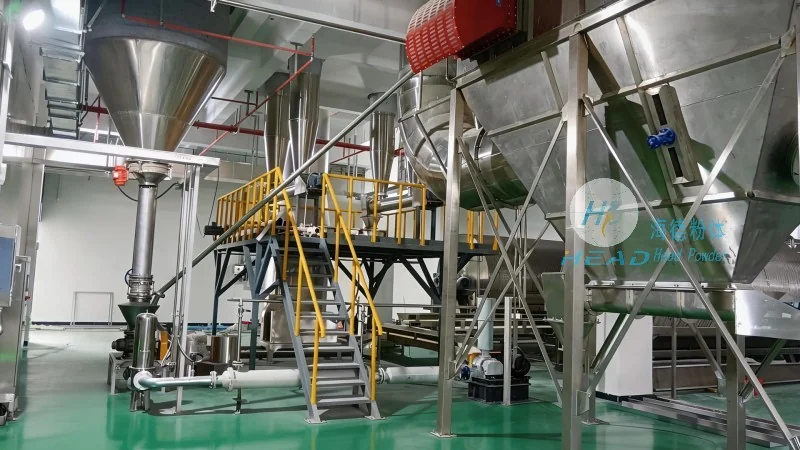
The versatility of soda ash pneumatic conveying systems makes them suitable for a wide range of industrial applications. In the glass industry, soda ash is a critical raw material used in the production of glass containers and flat glass. Pneumatic conveying ensures a steady supply of high-purity soda ash to the glass furnaces, maintaining consistent product quality. In the paper industry, soda ash is used as a chemical additive to improve paper strength and brightness. The system efficiently transports the material from storage to the paper manufacturing lines, ensuring optimal processing conditions. Water treatment facilities also benefit from pneumatic conveying, as it allows for the precise dosing of soda ash for pH adjustment and scale control. Other industries, such as chemical manufacturing and food processing, utilize these systems for handling various powders and granules, demonstrating the broad applicability of pneumatic conveying technology.
To ensure the longevity and efficiency of a soda ash pneumatic conveying system, regular maintenance is essential. Key maintenance tasks include checking and replacing air filter elements to prevent dust buildup, inspecting and cleaning the conveying line for blockages or wear, and lubricating moving parts such as rotary valves and bearings. The system's control panels should be monitored regularly to detect any anomalies in pressure or flow rates, which may indicate a problem with the material feed or air supply. Additionally, the material feed hopper and receiving silo should be inspected for signs of wear or corrosion, as soda ash can be abrasive and corrosive over time. Proper maintenance not only extends the lifespan of the equipment but also minimizes downtime and ensures consistent performance, ultimately contributing to cost savings and increased productivity.
HeadPowder Engineering Co., Ltd., based in Shandong, China, specializes in providing advanced pneumatic conveying solutions for soda ash handling. The operation process and working principle of such systems involve a combination of mechanical and pneumatic components working together to transport material efficiently and safely. By leveraging positive or negative pressure systems, these solutions address the unique handling requirements of soda ash, offering advantages such as dust-free operation, continuous flow, and space-saving design. Industries across various sectors, including glass, paper, and water treatment, benefit from the reliability and efficiency of pneumatic conveying systems. With proper maintenance and operational considerations, these systems can deliver long-term performance, supporting the needs of modern industrial applications. HeadPowder continues to innovate and provide tailored solutions to meet the evolving demands of the material handling industry.

 Shandong Headpowder Engineering Co., Ltd.
 156-6277-7102(Manager Zhang)
  0531-83386006
  Zhangqiu District, Jinan City, Shandong Province, China
telephone
WeChatconsult
top