

Principle and Working Scene Characteristics of Clay Ash Material Pneumatic Conveying Equipment
HeadPowder, formally known as Shandong HeadPowder Engineering Co., Ltd., is a professional manufacturer and supplier based in Shandong, China. We specialize in the design, production, and application of pneumatic conveying equipment tailored for various industrial materials, including clay ash. Our company has established a strong reputation in the field by delivering reliable and efficient solutions that meet the specific demands of different industries.
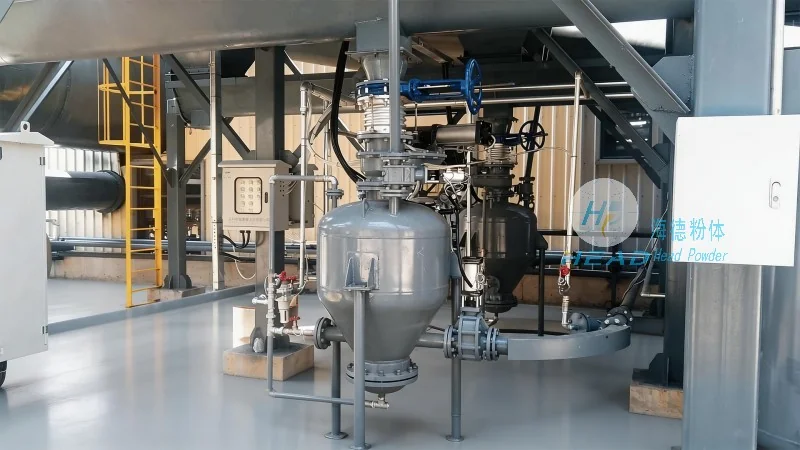
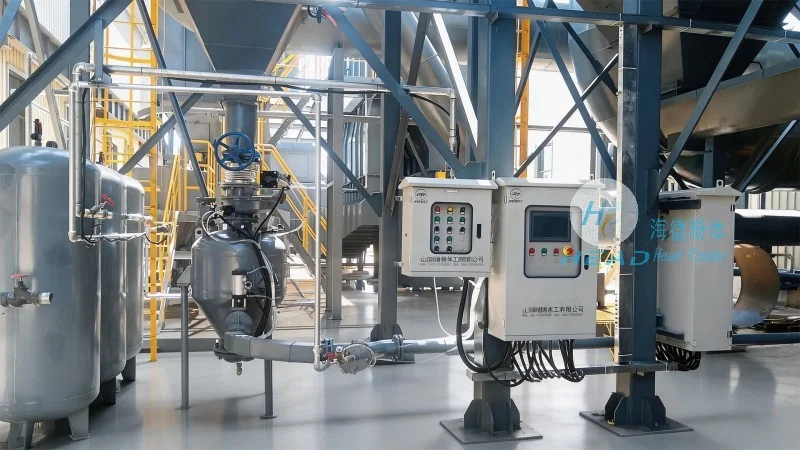
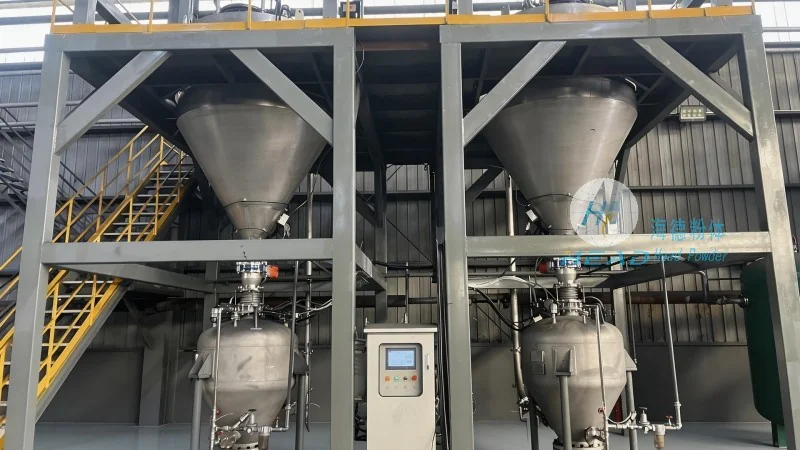
Principle of Pneumatic Conveying for Clay Ash Materials
The core principle of a clay ash material pneumatic conveying system involves the use of air as the conveying medium to transport bulk materials. This method operates by creating a pressure differential or using suction to move the material through a pipeline. The system typically consists of a hopper for material storage, a blower or vacuum pump to generate the air flow, and a pipeline network that transports the material from the source to the destination. For clay ash, which often has fine particles and can be abrasive, the design of the conveying system is crucial to ensure efficient transport without excessive wear or blockages. Key components include the material feeder, which controls the flow rate, and the pipeline, which may be equipped with special coatings or liners to handle the abrasive nature of the material. The air flow is carefully regulated to maintain a consistent velocity, preventing particle segregation and ensuring smooth transport. This principle allows for a continuous, closed-loop system that minimizes dust emissions and improves overall operational safety.
Working Scene Characteristics of Clay Ash Pneumatic Conveying Equipment
The working scene characteristics of clay ash material pneumatic conveying equipment are shaped by the specific properties of clay ash and the operational requirements of the industries that use it. Clay ash, a byproduct of coal combustion, typically consists of fine particles with varying sizes and moisture content. These characteristics influence the choice of conveying system design and operational parameters. In power plants and cement factories, for example, the equipment is often used to transport clay ash from storage silos to processing units or disposal sites. The system must handle high volumes of material while maintaining low energy consumption and minimal maintenance. In such industrial settings, the equipment operates under continuous or semi-continuous modes, with the ability to handle varying material flow rates. The working environment may involve high temperatures or corrosive conditions, which requires the use of durable materials and robust construction for the conveying components. Another key characteristic is the need for dust control, as clay ash can be a source of air pollution. Modern pneumatic conveying systems incorporate dust collection and filtration systems to comply with environmental regulations and ensure workplace safety. The flexibility of the system also allows for integration with other industrial processes, such as material mixing or packaging, enhancing overall operational efficiency. In summary, the working scene characteristics of clay ash pneumatic conveying equipment are defined by the material's properties, the industrial application, and the need for efficient, reliable, and environmentally compliant operation.