

Principle and Working Scene Characteristics of Pneumatic Conveying Equipment for Pigment Materials
HeadPowder, a leading manufacturer in the field of material handling solutions, specializes in the design, production, and supply of pneumatic conveying equipment tailored for the pigment industry. This article delves into the fundamental principles behind such equipment and highlights the key characteristics of its operational scenarios, providing a comprehensive overview for professionals seeking efficient material transport solutions.
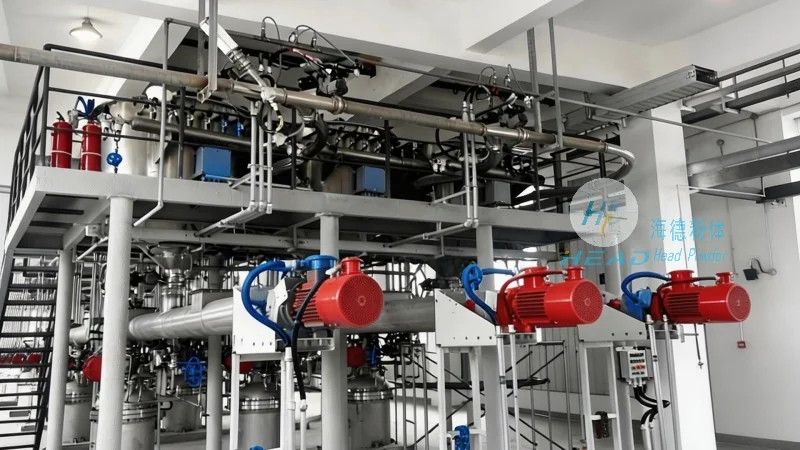
Introduction to Pneumatic Conveying Equipment for Pigment Materials
Pigment materials, including various types of powders like titanium dioxide, carbon black, and other colorants, are widely used in industries such as coatings, plastics, and inks. The transportation of these fine powders requires specialized equipment to ensure minimal dust generation, high efficiency, and product integrity. Pneumatic conveying systems offer a reliable solution by utilizing air or gas to move materials through a pipeline network. These systems are designed to handle the unique challenges posed by pigment powders, including their fine particle size, potential for agglomeration, and sensitivity to moisture or contamination.
The Core Principle of Pneumatic Conveying
The fundamental principle of pneumatic conveying for pigment materials involves the use of a pressurized or vacuum system to transport dry bulk materials through a sealed pipeline. There are two primary modes of pneumatic conveying: pressure conveying and vacuum conveying. Pressure conveying systems use a positive pressure to push material from a source to a destination, typically using a blower or compressor to generate the necessary pressure. This method is suitable for long-distance or high-volume transport of pigments. Vacuum conveying, on the other hand, uses a vacuum pump to create a negative pressure that draws material from a hopper or storage bin into the pipeline. This approach is ideal for short-distance or low-volume applications where gentle material handling is required.
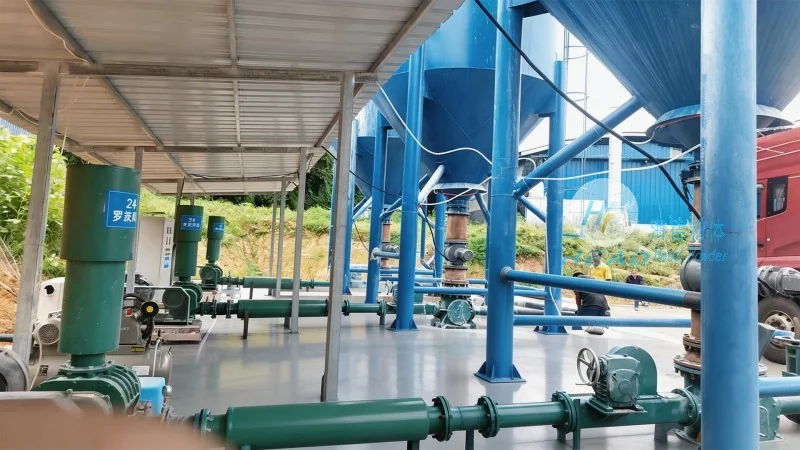
Key Components and Their Functions in Pneumatic Conveying Systems
A pneumatic conveying system for pigment materials typically consists of several critical components, each playing a vital role in the overall operation. The main components include the conveying line, feeders, airlock valves, filters, and control systems. The conveying line, usually made of stainless steel or other corrosion-resistant materials, forms the pipeline through which the pigment is transported. Feeders, such as rotary valves or screw feeders, ensure a consistent and controlled flow of material into the system, preventing blockages and maintaining system efficiency. Airlock valves are used to isolate sections of the pipeline, allowing for safe and efficient material transfer between different parts of the system. Filters are essential for capturing fine particles and preventing dust from escaping into the environment, ensuring compliance with environmental regulations and maintaining product purity. Control systems, often integrated with sensors and automation, monitor and regulate the operation of the conveying equipment, optimizing performance and minimizing downtime.
Working Scene Characteristics of Pneumatic Conveying Equipment
The operational characteristics of pneumatic conveying equipment for pigment materials are tailored to meet the specific demands of the pigment industry. These characteristics include high efficiency, minimal product degradation, and adaptability to various material types. In industrial settings, such as pigment production plants or coating manufacturing facilities, these systems are commonly used for tasks like material transfer from storage silos to processing lines, blending of different pigment powders, and feeding of materials into mixing or grinding equipment. The equipment is designed to handle the fine and often abrasive nature of pigment powders, ensuring that the material remains in its original state without agglomeration or degradation. Additionally, the sealed pipeline design minimizes dust exposure, creating a safer working environment for operators and reducing the risk of product contamination. The flexibility of pneumatic conveying systems allows for easy integration into existing production lines, enabling manufacturers to optimize their workflow and improve overall productivity.
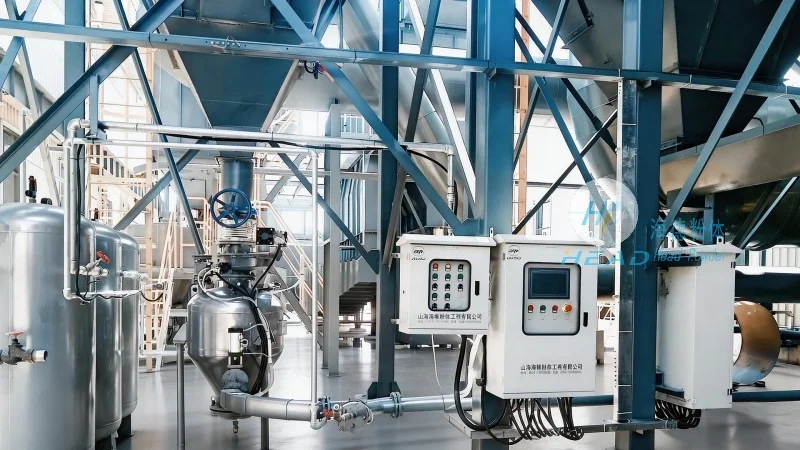
Advantages and Considerations in Pneumatic Conveying for Pigment Applications
Pneumatic conveying equipment offers several advantages when used for pigment materials. These include the ability to transport materials over long distances without the need for intermediate storage, reduced labor costs due to automated operation, and improved product quality through gentle handling. However, there are also considerations to keep in mind, such as the initial investment cost, energy consumption, and the need for regular maintenance to ensure optimal performance. The choice between pressure and vacuum conveying depends on the specific application requirements, including the distance, volume, and material characteristics. For instance, pressure conveying is often preferred for high-volume, long-distance transport of pigments, while vacuum conveying is suitable for shorter distances or when handling sensitive materials that require gentle handling.
Conclusion
HeadPowder's pneumatic conveying equipment for pigment materials exemplifies the advanced technology and engineering expertise required to meet the demanding needs of the industry. By understanding the fundamental principles and operational characteristics of these systems, manufacturers can select the most suitable equipment for their specific applications, ensuring efficient, safe, and cost-effective material transport. The integration of modern control systems and corrosion-resistant materials further enhances the reliability and longevity of these conveying solutions, making them a preferred choice for pigment processing and handling in various industrial sectors.