With more than 10‑year industry experience, Shandong Headpowder delivers full‑service pneumatic‑conveying systems and blowers, undertaking nationwide turn‑key powder‑handling projects.
Dry mortar, a vital component in modern construction, demands efficient transportation from manufacturing facilities to construction sites. The choice of transport method significantly influences project efficiency, material quality, and operational costs. Shandong HeadPowder Engineering Co., Ltd., a prominent player in the dry mortar industry, specializes in delivering advanced solutions for dry mortar transportation. This article explores the primary methods used for dry mortar transport, highlighting their applications and benefits.
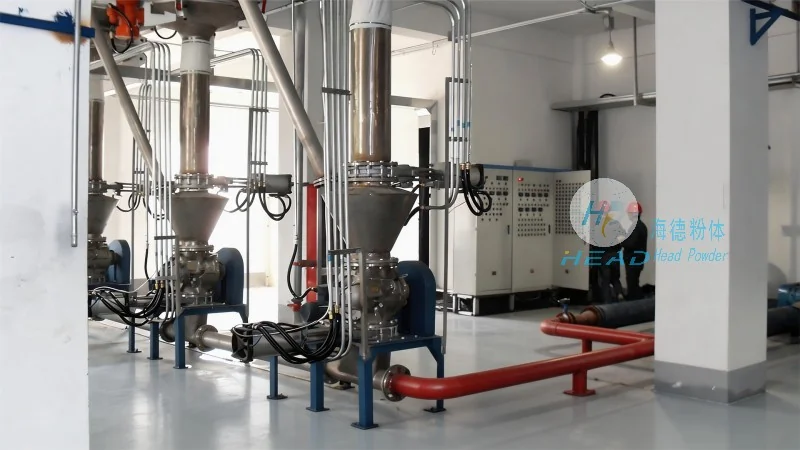
Pumping is a widely adopted and effective method for transporting dry mortar, especially for large-scale construction projects. The process involves utilizing a dry mortar pump to move the material through pipelines. HeadPowder offers high-performance dry mortar pumps that are engineered to handle various mortar types, including cement-based, lime-based, and polymer-modified mortars. These pumps are equipped with features such as adjustable pressure control, anti-clogging mechanisms, and material mixing capabilities, ensuring consistent and reliable transport. The pump system typically includes a hopper for material storage, a pump unit, and a pipeline network that connects to the construction site. This method is ideal for projects requiring continuous and high-volume mortar delivery, such as wall and floor finishing works.
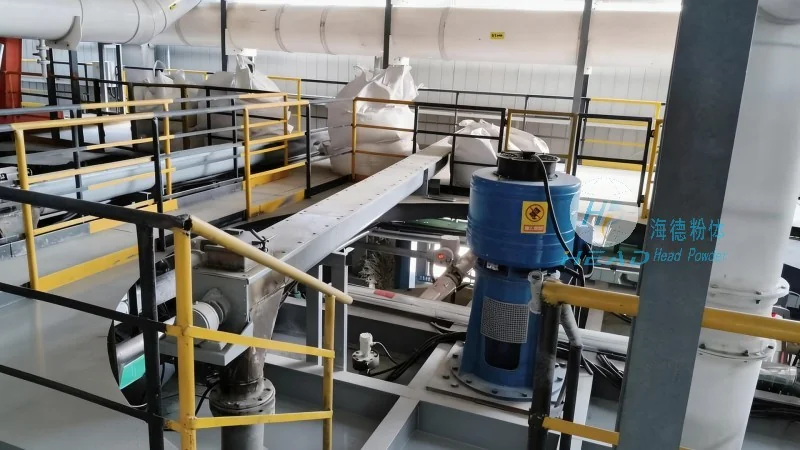
Pneumatic conveying, or air-based transport, is another popular method for dry mortar transportation. This technique uses compressed air to move dry mortar particles through a sealed pipeline. HeadPowder’s pneumatic conveying systems are designed to handle fine and powdery materials with minimal dust generation. The system consists of a material hopper, a blower, and a pipeline with appropriate fittings. The compressed air creates a flow that propels the mortar particles, allowing for efficient transport over longer distances. Pneumatic conveying is particularly suitable for projects where dust control is a priority, such as indoor construction or renovation works. Additionally, this method enables the transport of mortar from multiple production points to a single construction site, enhancing operational flexibility.
Screw conveyors are a mechanical method for transporting dry mortar, commonly used in smaller-scale or on-site applications. These systems utilize a rotating screw (or auger) to move material through a tube or trough. HeadPowder provides screw conveyors that are designed for durability and low maintenance. The conveyors can be installed horizontally or at an angle, making them versatile for different site layouts. Screw conveyors are effective for transporting dry mortar in batches or at a steady rate, suitable for tasks like mixing and feeding mortar to mixing machines. This method is often used in conjunction with other transport systems, such as pumping, to ensure a smooth material flow from production to application.
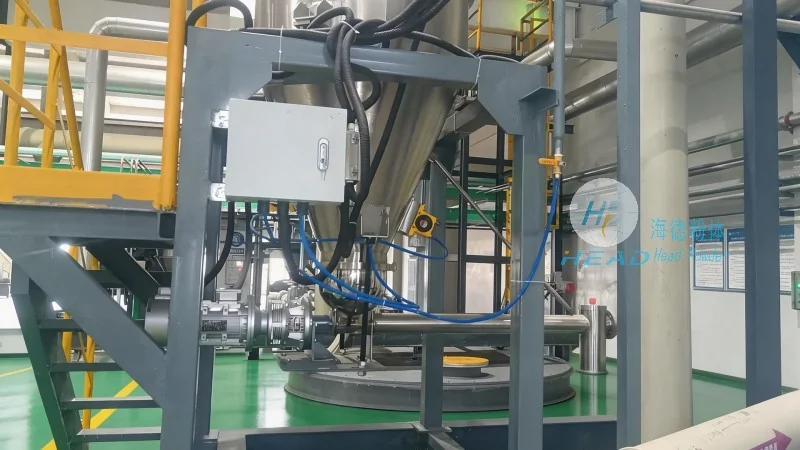
For complex construction projects, combination transport systems are often employed to integrate multiple methods. These systems may combine pumping with pneumatic conveying or screw conveyors to optimize material transport based on project requirements. HeadPowder offers customized combination systems that can adapt to varying site conditions and material types. For example, a project might use a dry mortar pump for initial transport to a central mixing station, followed by pneumatic conveying to distribute the mixed mortar to different work areas. This integrated approach ensures efficient material handling, reduces downtime, and improves overall project productivity. The combination systems are designed to be modular, allowing for easy expansion or modification as project needs evolve.

 Shandong Headpowder Engineering Co., Ltd.
 156-6277-7102(Manager Zhang)
  0531-83386006
  Zhangqiu District, Jinan City, Shandong Province, China
telephone
WeChatconsult
top