With more than 10‑year industry experience, Shandong Headpowder delivers full‑service pneumatic‑conveying systems and blowers, undertaking nationwide turn‑key powder‑handling projects.
When it comes to efficiently moving coke powder from one location to another in industrial settings, selecting the right transportation method is crucial. The choice of method depends on factors such as the volume of material, the distance to be covered, the required speed of transfer, and the specific characteristics of the coke powder itself. Located in Shandong, China, HeadPowder Engineering Co., Ltd. is a leading provider of industrial conveying solutions, specializing in the design and manufacturing of equipment for coke powder transportation. In this article, we will explore several common and effective methods used for coke powder transportation, providing insights into their applications and benefits.
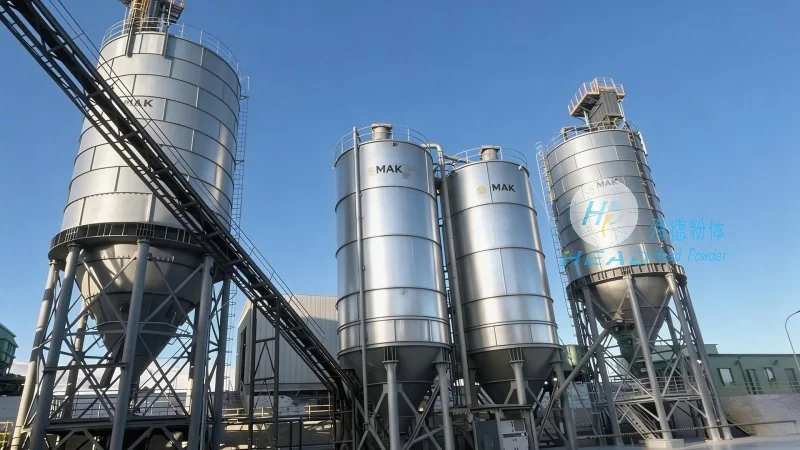
Air-driven pneumatic conveying is a widely used method for transporting coke powder due to its ability to handle fine powders and its flexibility in system design. This method involves using compressed air to move the powder through a pipeline. There are two main types of pneumatic conveying systems: pressure and vacuum. Pressure systems use positive pressure to push the material forward, while vacuum systems use negative pressure to pull the material. HeadPowder Engineering offers advanced pneumatic conveying equipment tailored to the needs of coke powder handling. Their systems are designed to ensure minimal product degradation, efficient transfer, and compliance with safety standards.
Screw conveyors, also known as auger conveyors, are another popular choice for coke powder transportation. These systems use a rotating screw to move material along a trough. Screw conveyors are particularly effective for horizontal or slightly inclined transport and are suitable for moderate to high volumes of material. They are easy to install and maintain, making them a cost-effective solution for many industrial applications. HeadPowder Engineering’s screw conveyors are engineered with durable materials to withstand the abrasive nature of coke powder, ensuring long service life and reliable performance.
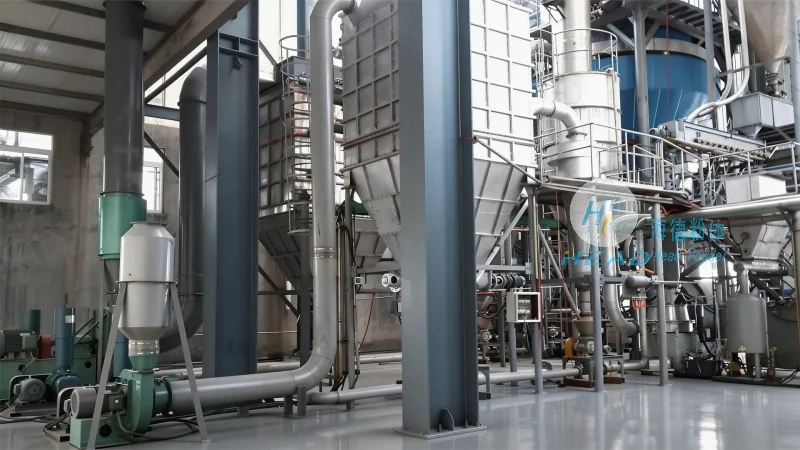
Belt conveyors are ideal for large-scale, long-distance transport of coke powder. These systems use a continuous belt to move material from one point to another. They are commonly used in mining and processing facilities where large quantities of material need to be moved efficiently. Belt conveyors can handle a wide range of particle sizes and are capable of operating over long distances with minimal maintenance. HeadPowder Engineering provides robust belt conveyor systems that are designed to handle the specific demands of coke powder, ensuring consistent and reliable operation.
Hydraulic conveying systems use a liquid medium, typically water or a slurry, to transport coke powder. This method is particularly useful when dealing with wet or sticky powders. The powder is mixed with the liquid to form a slurry, which is then pumped through pipelines. Hydraulic systems are effective for long-distance transport and can handle high volumes of material. However, they require additional equipment for slurry separation and drying, which adds to the overall cost and complexity. HeadPowder Engineering offers hydraulic conveying solutions that are customized to the specific requirements of coke powder applications, ensuring efficient and cost-effective transport.
Vibrating conveyors use vibration to move coke powder along a trough. These systems are gentle on the material, making them suitable for handling sensitive or abrasive powders. Vibrating conveyors are effective for both horizontal and inclined transport and can handle a wide range of particle sizes. They are also easy to clean and maintain, which is important in industries where hygiene is a concern. HeadPowder Engineering’s vibrating conveyors are designed with high-quality components to ensure smooth and efficient operation, minimizing product degradation and maximizing throughput.
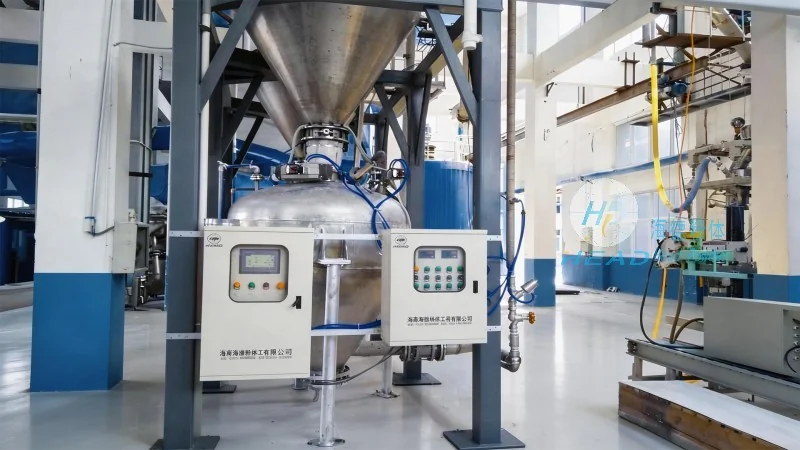
When selecting a coke powder transportation method, several factors must be considered. The first is the volume of material to be transported. For small volumes, a screw or pneumatic system may be sufficient, while large volumes may require a belt or hydraulic system. The distance to be covered is another important factor. Short distances may be handled by a screw or vibrating conveyor, while long distances may require a belt or pneumatic system. The required speed of transfer is also a consideration. Some processes require fast transfer, while others may need a slower, more controlled rate. Finally, the characteristics of the coke powder itself, such as particle size, moisture content, and abrasiveness, will influence the choice of system. HeadPowder Engineering provides expert consultation to help clients evaluate these factors and select the most appropriate transportation method for their specific needs.
Efficient coke powder transportation is essential for maintaining productivity and safety in industrial operations. By understanding the different methods available and considering the specific requirements of the application, companies can choose the most suitable system. HeadPowder Engineering, with its expertise in industrial conveying solutions, offers a range of equipment and services to meet the diverse needs of coke powder handling. Whether through pneumatic, screw, belt, hydraulic, or vibrating systems, HeadPowder Engineering provides reliable and efficient solutions that help clients achieve their operational goals.

 Shandong Headpowder Engineering Co., Ltd.
 156-6277-7102(Manager Zhang)
  0531-83386006
  Zhangqiu District, Jinan City, Shandong Province, China
telephone
WeChatconsult
top