With more than 10‑year industry experience, Shandong Headpowder delivers full‑service pneumatic‑conveying systems and blowers, undertaking nationwide turn‑key powder‑handling projects.
Lancoal, a semi-coke product, is a solid material with specific physical properties that influence its handling. Pneumatic conveying leverages the kinetic energy of a gas stream to transport lancoal particles through a closed pipeline system. The core principle involves creating a pressure differential between the inlet and outlet of the pipeline. When the gas is introduced at a sufficient velocity, it entrains the lancoal particles, forming a slurry-like mixture that moves along the pipeline. This method can be classified into dilute-phase and dense-phase conveying. Dilute-phase conveying operates at higher gas velocities, typically 20-30 m/s, and is suitable for short distances and low to medium particle sizes. Dense-phase conveying, on the other hand, uses lower gas velocities (5-15 m/s) and higher pressure, which is ideal for transporting larger particles or over longer distances. The choice of conveying type depends on factors such as the lancoal's density, moisture content, and the required delivery rate. Additionally, the system may include components like feeders, cyclones, and filters to ensure consistent material flow and to separate the gas from the solid particles at the destination.
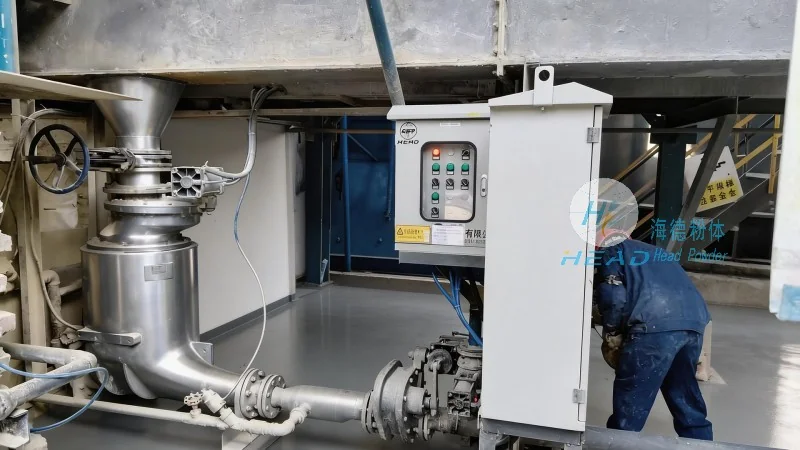
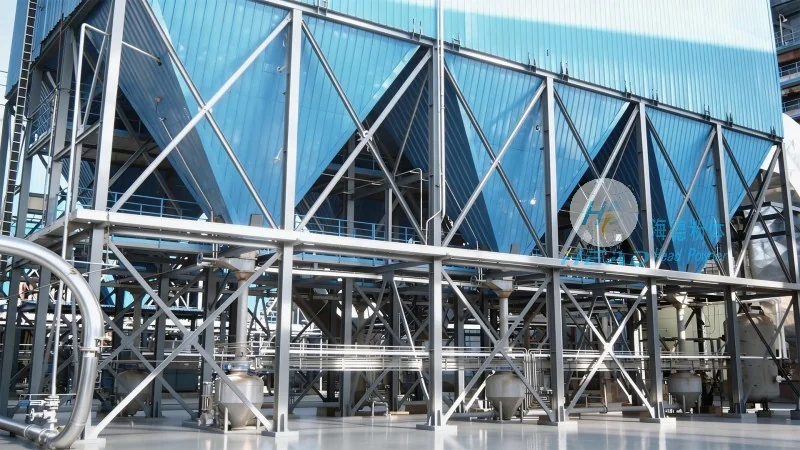
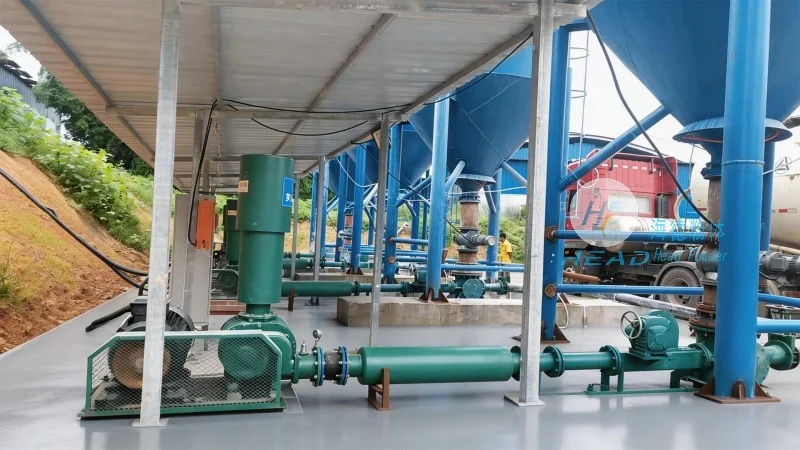
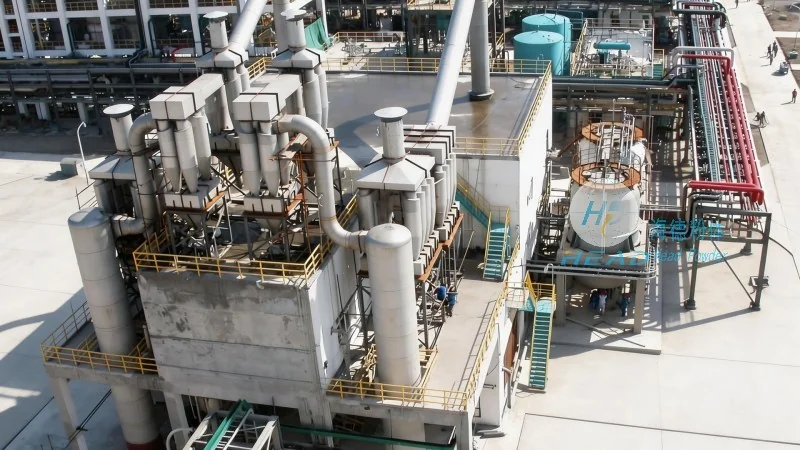
The working scene characteristics of lancoal material pneumatic conveying systems are shaped by the diverse industrial applications where lancoal is utilized. In coal mining operations, the system is often integrated into the production line to transport lancoal from the mining site to storage silos or processing plants. The working environment in these settings is characterized by high dust levels and variable material moisture, which requires the conveying system to be equipped with effective dust control measures, such as cyclone separators and dust collectors. The system must also be robust enough to handle the abrasive nature of lancoal, as the particles can cause wear on the pipeline and equipment components. In power generation facilities, lancoal is used as a fuel in boilers, and the pneumatic conveying system delivers it directly to the combustion chamber. The working scene here emphasizes continuous and reliable operation, as any downtime can impact power output. The system is designed to maintain a consistent flow rate to ensure stable combustion, and it may include features like pressure sensors and flow meters to monitor performance in real-time. In the chemical industry, lancoal serves as a feedstock for processes like gasification, where it is converted into syngas or other chemical products. The conveying system must be compatible with the chemical environment, and it may be constructed from corrosion-resistant materials to prevent material degradation. Furthermore, the system needs to be integrated with other process equipment, such as reactors and reactors, to ensure seamless material transfer and to minimize the risk of contamination.
HeadPowder Engineering Co., Ltd., headquartered in Shandong, China, is a leading provider of engineering solutions for bulk material handling, with a particular focus on pneumatic conveying systems for lancoal and similar materials. The company has established itself as a trusted partner in the industry, offering comprehensive services that cover the entire lifecycle of a conveying system—from initial design and consultation to manufacturing, installation, and after-sales support. With a team of experienced engineers, technicians, and project managers, HeadPowder specializes in customizing solutions to meet the unique needs of each client. The company's design process involves detailed analysis of the material properties, operational requirements, and site conditions to ensure that the system is optimized for efficiency, reliability, and cost-effectiveness. HeadPowder utilizes advanced software tools for computational fluid dynamics (CFD) and process simulation to model the conveying system and predict its performance under various operating conditions. This approach allows the company to identify potential issues and make adjustments before the system is manufactured, reducing the risk of errors and ensuring that the final product meets the client's expectations. The company's manufacturing facilities are equipped with state-of-the-art equipment and adhere to international quality standards, such as ISO 9001, to guarantee the durability and performance of the conveying systems. HeadPowder's commitment to innovation is evident in its continuous research and development efforts, which focus on improving the efficiency of pneumatic conveying and developing new technologies to address emerging challenges in the industry. The company's after-sales support includes regular maintenance services, technical training for clients, and prompt response to any issues that may arise, ensuring that the conveying systems operate at peak performance throughout their service life. By combining technical expertise with a customer-centric approach, HeadPowder has built a strong reputation in the market and continues to serve clients across various industries, including coal, power, and chemicals.

 Shandong Headpowder Engineering Co., Ltd.
 156-6277-7102(Manager Zhang)
  0531-83386006
  Zhangqiu District, Jinan City, Shandong Province, China
telephone
WeChatconsult
top