With more than 10‑year industry experience, Shandong Headpowder delivers full‑service pneumatic‑conveying systems and blowers, undertaking nationwide turn‑key powder‑handling projects.
High-quality grain material pneumatic conveying systems represent a sophisticated approach to material handling, particularly in the processing of sorghum and other bulk agricultural products. The technology leverages air as the primary medium to transport granular materials like sorghum from one location to another, offering advantages such as dust control, reduced labor costs, and enhanced operational efficiency. This article, produced by Shandong HeadPowder Engineering Co., Ltd., based in Shandong, China, delves into the fundamental principles of pneumatic conveying for sorghum materials and explores the distinct characteristics of its application scenarios.
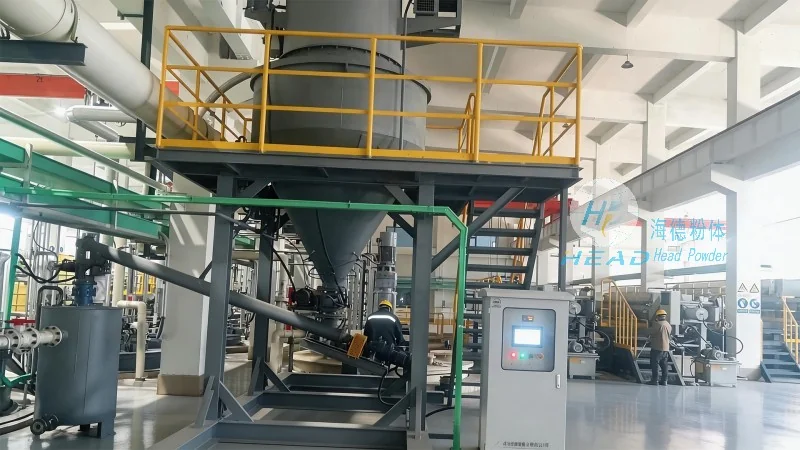
The fundamental principle of pneumatic conveying involves the use of a pressurized or vacuum system to move material through a pipeline using air. In the context of sorghum, this system typically operates by creating a flow of air that entrains the sorghum particles, transporting them from a source point (such as a storage silo or processing unit) to a destination point (like a milling or packaging facility). There are two primary modes of pneumatic conveying: vacuum (or suction) conveying and pressure (or blow) conveying. Vacuum systems are often used for short to medium-distance transport and are effective for handling materials that are light and free-flowing, such as sorghum. Pressure systems, on the other hand, are suitable for longer distances and can handle a wider range of material densities and flow rates.
A key component in any pneumatic conveying system is the conveying line, which is usually made of metal or flexible hoses. The line is equipped with valves, filters, and other accessories to regulate the flow of air and material. The system also includes a feed device (like a rotary valve or a star feeder) that controls the rate at which sorghum is introduced into the line, and a separator that separates the material from the air at the receiving end. The air, now carrying the sorghum particles, is then filtered and recycled back into the system, ensuring energy efficiency and minimal waste.
The application of pneumatic conveying in sorghum processing is characterized by several distinct features that make it well-suited for this industry. First, the technology is highly effective in controlling dust and preventing contamination, which is critical in food processing environments. Unlike mechanical conveyors, which can generate significant dust and require additional dust suppression measures, pneumatic systems keep the material enclosed within the pipeline, minimizing exposure to the environment and ensuring product purity. Second, pneumatic conveying offers flexibility in terms of layout and space utilization. The pipeline can be installed in various configurations, including vertical, horizontal, or a combination of both, allowing for integration into existing processing facilities without major structural modifications.
Another important characteristic is the ability to handle a wide range of material characteristics. Sorghum, like other grains, can vary in size, moisture content, and density, and pneumatic systems are designed to accommodate these variations. The system's performance is influenced by factors such as the material's bulk density, flowability, and particle size distribution. For instance, materials with higher bulk density and better flowability are easier to convey, while those with lower density or poor flowability may require additional equipment, such as a feeder or a pre-conditioner, to ensure smooth operation.
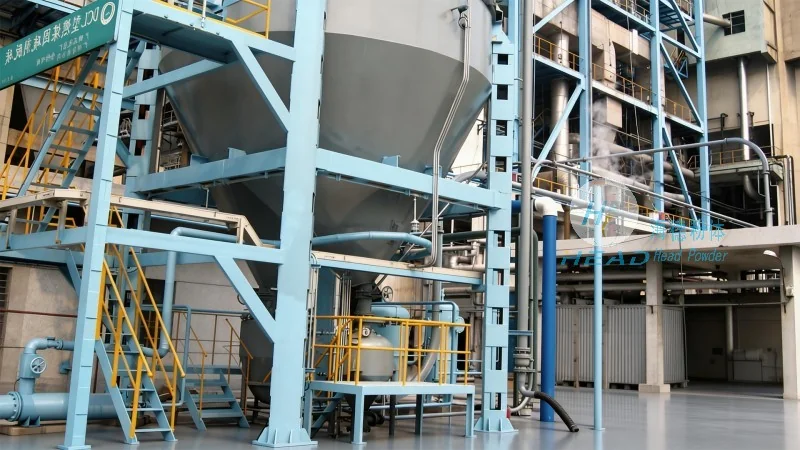
The operational efficiency of pneumatic conveying systems is also a significant advantage in sorghum processing. By eliminating the need for manual handling and reducing the risk of material spillage, the system minimizes labor costs and improves overall productivity. Additionally, the enclosed nature of the system reduces the risk of pest infestation and moisture absorption, which can affect the quality and shelf life of the sorghum. This is particularly important in storage and transportation applications, where maintaining the integrity of the grain is paramount.
Sorghum material pneumatic conveying is widely used in various stages of sorghum processing, from storage and handling to milling and packaging. One common application is the transfer of sorghum from storage silos to processing units. In this scenario, a vacuum conveying system is typically employed to move the grain from the silo to a mill or a cleaning station. The system can handle large volumes of material and operates continuously, ensuring a steady supply of sorghum for processing.
Another application is the conveying of sorghum during the milling process. After the grain is cleaned and conditioned, it is conveyed to the milling equipment. The pneumatic system can transport the material to the mill at a controlled rate, preventing overloading and ensuring consistent product quality. The system also allows for the integration of multiple processing stages, such as cleaning, drying, and milling, into a single, automated workflow.
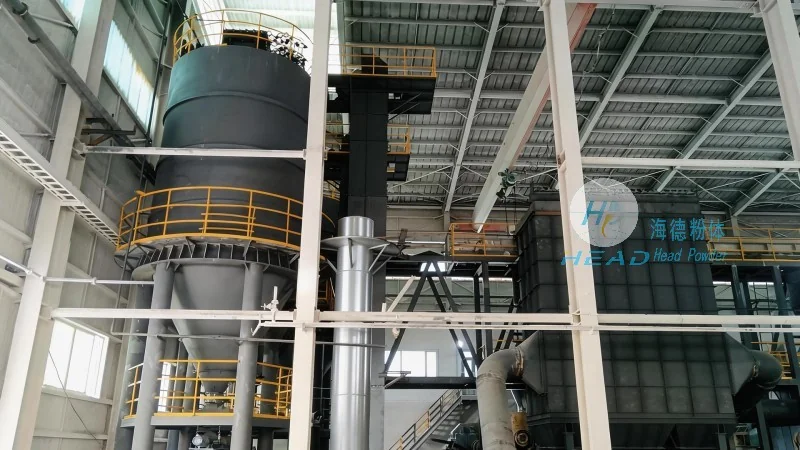
In packaging facilities, pneumatic conveying is used to move the finished sorghum products from the milling unit to the packaging line. The system can transport the grain directly into packaging machines, reducing the need for intermediate storage and minimizing the risk of contamination. This streamlined process enhances the efficiency of the packaging operation and ensures that the final product meets quality standards.
Implementing a pneumatic conveying system for sorghum materials offers several advantages, including improved product quality, reduced operational costs, and enhanced safety. However, there are also considerations that need to be addressed when selecting and installing such a system. For example, the initial investment cost of a pneumatic conveying system can be higher than that of mechanical conveyors, but the long-term benefits in terms of energy savings and reduced maintenance costs often outweigh this initial expense.
Another consideration is the maintenance requirements of the system. Pneumatic conveying systems require regular maintenance of components such as filters, valves, and feed devices to ensure optimal performance. The system's efficiency can be affected by the quality of the air used, as contaminants in the air can clog the filters and reduce the conveying capacity. Therefore, proper air filtration and system cleaning are essential for maintaining the system's performance.
In conclusion, sorghum material pneumatic conveying is a highly effective and versatile technology for handling bulk agricultural products. Its ability to control dust, provide flexibility in layout, and enhance operational efficiency makes it an ideal choice for sorghum processing facilities. By understanding the core principles and application scenarios of this technology, processing companies can optimize their material handling processes and improve overall productivity.

 Shandong Headpowder Engineering Co., Ltd.
 156-6277-7102(Manager Zhang)
  0531-83386006
  Zhangqiu District, Jinan City, Shandong Province, China
telephone
WeChatconsult
top