With more than 10‑year industry experience, Shandong Headpowder delivers full‑service pneumatic‑conveying systems and blowers, undertaking nationwide turn‑key powder‑handling projects.
HeadPowder, a leading engineering company based in Shandong, China, specializes in the design, manufacturing, and installation of advanced pneumatic conveying systems. This article delves into the fundamental principles behind these systems and explores the diverse operational environments where they are applied, focusing on the efficient handling of bulk materials such as stones, coal powders, and other granular substances.
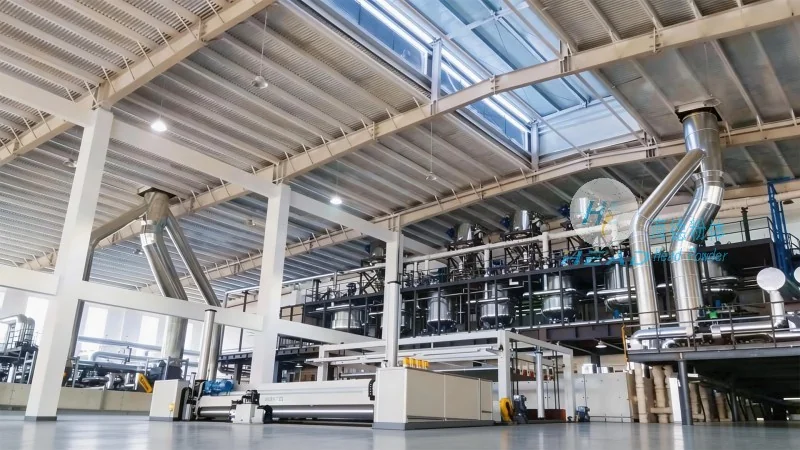
Pneumatic conveying systems utilize compressed air or other gases to transport bulk materials through a network of pipes. The core principle involves creating a pressure differential that propels the material from the source to the destination. There are two primary types of pneumatic conveying: dilute-phase and dense-phase. Dilute-phase systems, which are commonly used for lighter materials like coal powders, rely on high-velocity air to suspend particles and move them through the pipeline. In contrast, dense-phase systems employ lower air velocities and higher pressure to move materials in a more compact form, reducing the risk of product degradation and ensuring gentler handling for sensitive materials like stones.
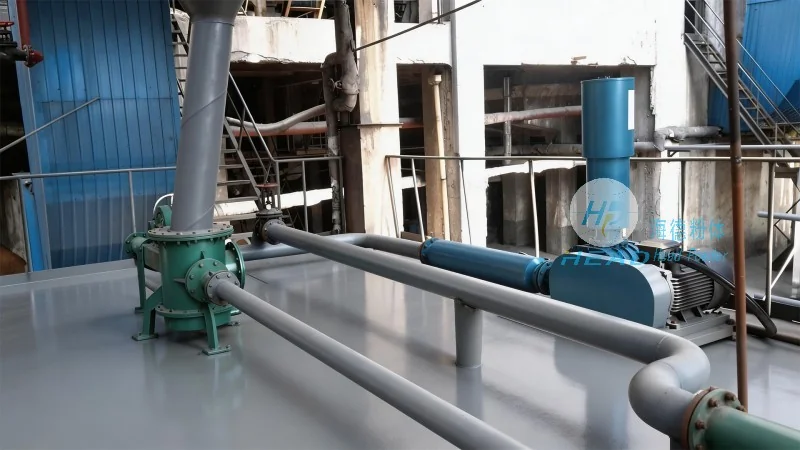
The effectiveness of a pneumatic conveying system depends on several critical components, each playing a vital role in the overall process. The main components include the material feed hopper, which stores and feeds the bulk material into the system; the air compressor or blower, which generates the necessary pressure and airflow; the conveying line, typically made of stainless steel or other corrosion-resistant materials to handle various materials; and the discharge device, which releases the material at the destination. The operational mechanism begins when the material is fed into the hopper, where it is drawn into the conveying line by the moving air. The air and material mixture travels through the pipeline, with the air velocity and pressure carefully controlled to maintain the material in a suspended state. At the receiving end, the air is separated from the material, often through a cyclone separator or other filtration system, allowing the material to be discharged into a storage bin or processing unit.
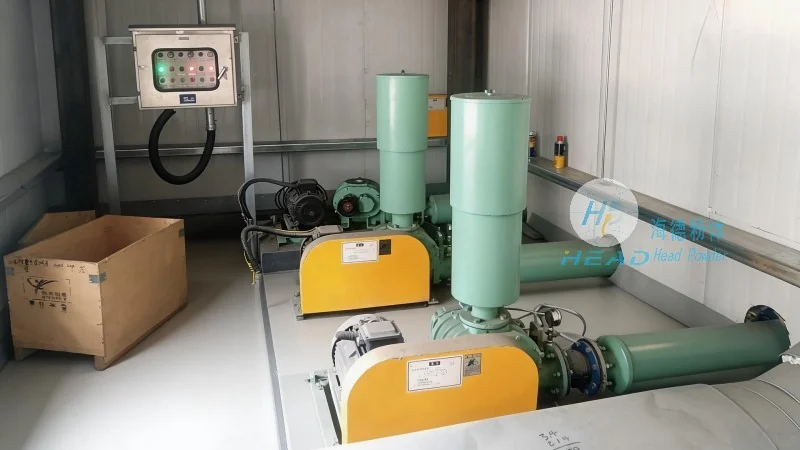
The application of pneumatic conveying systems in handling stone and coal powders is characterized by several key operational aspects. For stone materials, which are typically larger and heavier particles, dense-phase conveying is often preferred to prevent blockages and ensure consistent flow. The system must be designed to handle the abrasive nature of stones, requiring robust components such as wear-resistant liners and high-quality seals to minimize maintenance and extend equipment life. In contrast, coal powders, being finer and more susceptible to dust, benefit from dilute-phase systems that maintain a consistent air-to-material ratio, reducing the risk of clogging and ensuring efficient transport. The working scenes where these systems are deployed include mining operations, power plants, and industrial processing facilities, where large volumes of bulk materials need to be moved over short to medium distances. The systems are also used in environments where dust control is critical, such as in food processing or pharmaceutical industries, though the primary focus here is on the handling of stone and coal powders.
Pneumatic conveying systems offer several advantages over traditional mechanical conveying methods, particularly for handling bulk materials like stones and coal powders. These include the ability to transport materials in a closed system, which minimizes dust emissions and improves safety in the workplace. The systems are also highly flexible, allowing for easy integration into existing production lines and the ability to change the direction of material flow as needed. Additionally, pneumatic conveying can handle materials with varying properties, such as moisture content or particle size, without the need for additional processing steps. However, practical considerations must be taken into account when implementing these systems. The initial investment cost can be higher compared to mechanical systems, and the energy consumption is typically higher due to the need for compressed air. Maintenance requirements are also more complex, as the system involves moving parts and requires regular checks on air pressure and material flow. Proper training for operators and regular maintenance schedules are essential to ensure the long-term efficiency and reliability of the system.
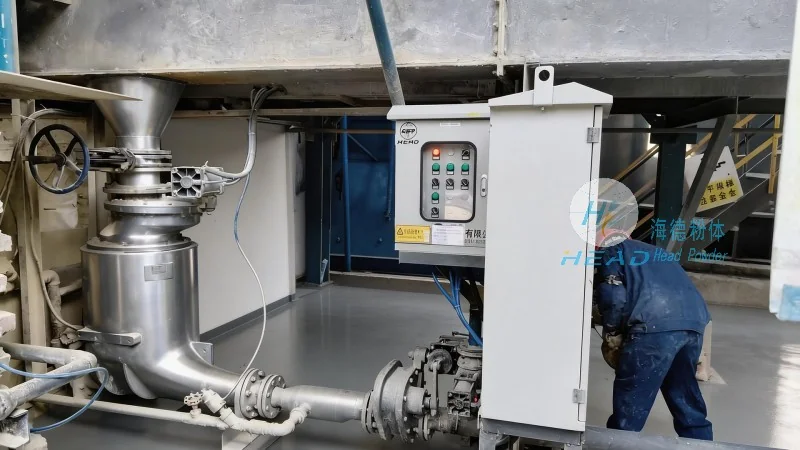
HeadPowder Engineering Co., Ltd., based in Shandong, China, provides comprehensive solutions for pneumatic conveying systems tailored to the specific needs of handling stone, coal powders, and other bulk materials. By understanding the fundamental principles of pneumatic conveying and the unique characteristics of the materials being transported, these systems can be optimized for maximum efficiency and minimal downtime. The working scenes where these systems are applied range from industrial processing facilities to mining operations, demonstrating their versatility and importance in modern material handling. As technology continues to advance, the design and implementation of pneumatic conveying systems will likely become even more sophisticated, further enhancing their role in efficient bulk material transport.

 Shandong Headpowder Engineering Co., Ltd.
 156-6277-7102(Manager Zhang)
  0531-83386006
  Zhangqiu District, Jinan City, Shandong Province, China
telephone
WeChatconsult
top