With more than 10‑year industry experience, Shandong Headpowder delivers full‑service pneumatic‑conveying systems and blowers, undertaking nationwide turn‑key powder‑handling projects.
HeadPowder, a leading manufacturer based in Shandong, China, specializes in the design and production of advanced powder handling equipment. Among their product line is the intermittent powder feeding conveyor, a critical component in industries that require precise and controlled movement of bulk materials. This article explores the fundamental principles behind these machines and highlights their key working scene characteristics, providing insights into their practical applications and benefits.
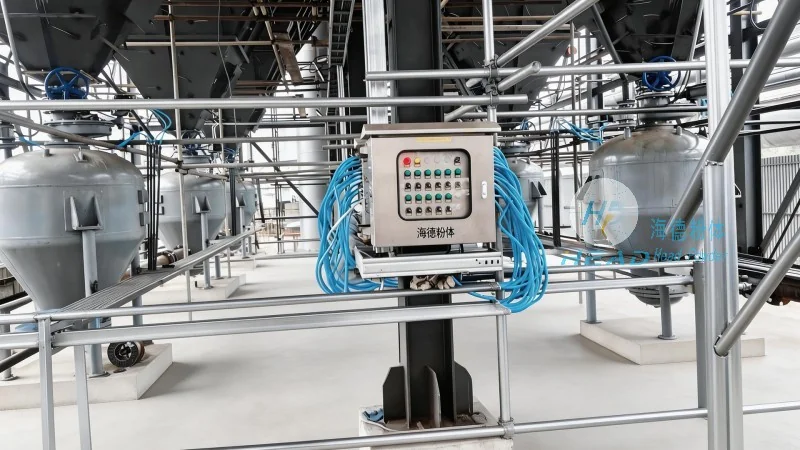
The intermittent powder feeding conveyor operates on a principle of controlled, periodic material transfer. Unlike continuous conveyors that move material continuously, this system uses a series of mechanisms to release and move powder in discrete batches. The process typically involves a hopper or storage container that holds the bulk powder, with a feeding valve or gate that opens and closes at specific intervals. When the valve opens, powder flows into a conveyor section, which then transports the material to the discharge point. This cycle repeats, allowing for precise control over the quantity and timing of material delivery.
Key components of the intermittent powder feeding conveyor include the feeding hopper, control valve (such as a rotary valve or slide gate), conveyor mechanism (often a screw or belt conveyor), and discharge outlet. The control valve is the heart of the system, regulating the flow of powder by opening and closing at predetermined intervals. This mechanism ensures that the material is moved in controlled amounts, preventing overloading or underloading of downstream processes. The conveyor section then transports the powder to the target location, such as a mixer, reactor, or packaging unit. The entire process is synchronized to maintain consistent material flow rates, which is essential for processes that require uniform material distribution.
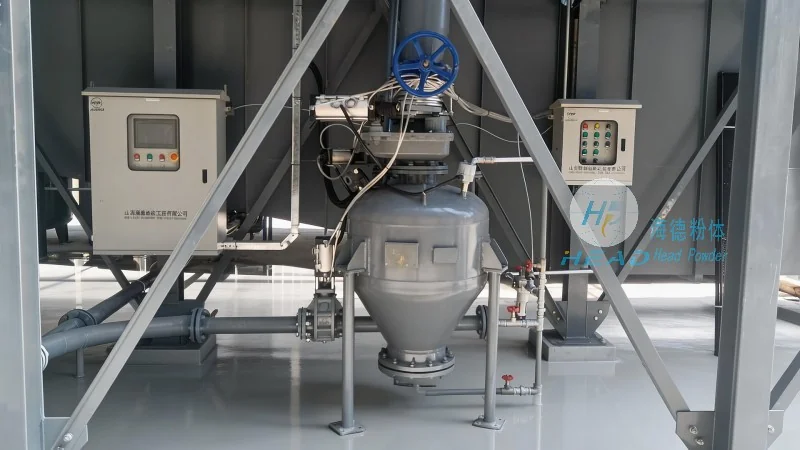
The intermittent powder feeding conveyor is designed to meet the demands of various industrial environments, offering several distinct working scene characteristics that make it suitable for a wide range of applications. One of the primary advantages is its ability to handle a diverse range of powder materials, including fine powders, granules, and bulk solids. This versatility is particularly valuable in industries such as chemical manufacturing, pharmaceuticals, food processing, and agriculture, where different materials require specialized handling techniques.
In industrial settings, the conveyor's intermittent operation allows for precise dosing and batching, which is critical for processes that require exact material quantities. For example, in pharmaceutical production, where consistency and accuracy are paramount, the intermittent feeder ensures that the correct amount of active ingredients is added to each batch. Similarly, in food processing, the system can handle powders like flour, sugar, or spices, maintaining product quality and preventing contamination. The controlled flow also helps in reducing material waste and improving overall efficiency.
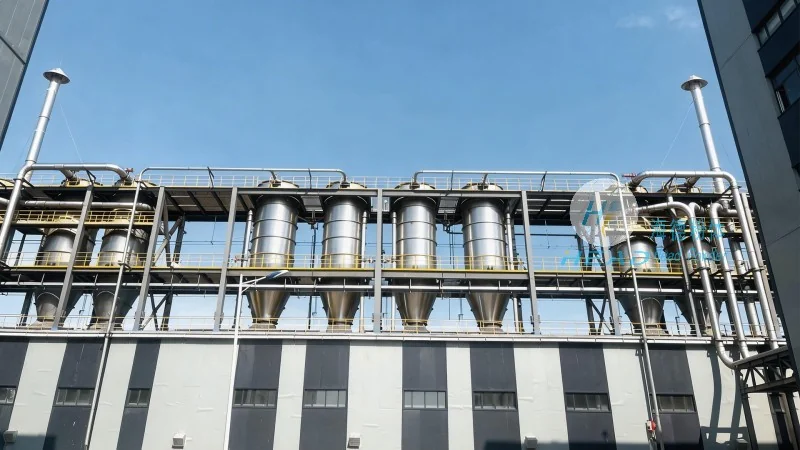
Another key characteristic is the conveyor's ability to operate in clean and hygienic environments. Many models are constructed with stainless steel components and sealed designs, making them suitable for food and pharmaceutical applications where sanitation is a top priority. The intermittent feeding mechanism minimizes the risk of material spillage and cross-contamination, as the powder is contained within the system during transport. This feature enhances safety and compliance with industry regulations, such as those from the FDA or EU GMP standards.
The working scene characteristics also include adaptability to different operating conditions. The conveyor can be integrated with various control systems, allowing for automation and remote monitoring. This integration enables operators to adjust the feeding rate, cycle time, and other parameters based on real-time process requirements. Additionally, the system can be customized to fit specific space constraints and material handling needs, making it a flexible solution for diverse industrial setups.
Implementing an intermittent powder feeding conveyor offers several practical benefits that enhance operational efficiency and product quality. One of the most significant advantages is the precise control over material flow, which minimizes variations in downstream processes. This leads to improved product consistency and reduced waste, as the system delivers the exact amount of powder needed for each batch. The intermittent operation also reduces the risk of overloading equipment, such as mixers or reactors, which can cause mechanical stress and downtime.
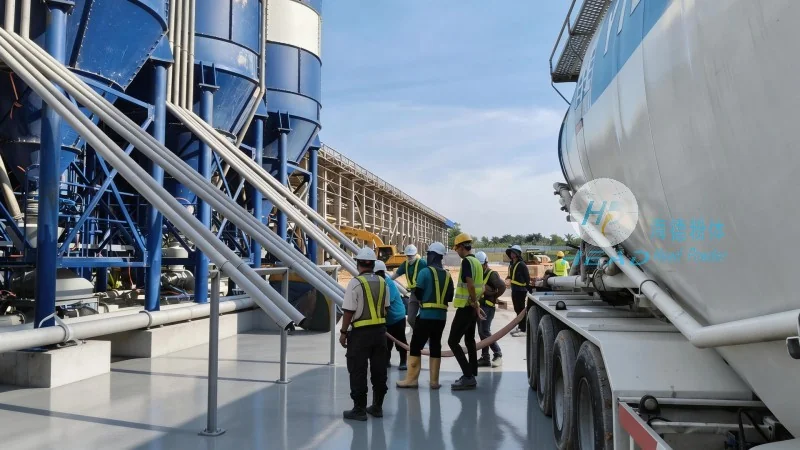
Another benefit is the reduced wear and tear on components compared to continuous conveyors. Since the conveyor is not continuously moving material, the mechanical parts experience less friction and wear, leading to longer service life and lower maintenance costs. The controlled feeding also helps in preventing material buildup and clogging, which are common issues in continuous systems. This reduces the need for frequent cleaning and maintenance, improving overall system reliability.
The system's ability to handle a wide range of materials without modification is another practical advantage. By adjusting the control valve and conveyor speed, operators can adapt the system to different powder types and sizes. This flexibility makes the conveyor a cost-effective solution for industries that handle multiple materials or experience changes in production requirements. Additionally, the intermittent feeding mechanism allows for easy integration with other equipment, such as weighing scales or batching systems, enabling seamless automation of the material handling process.

 Shandong Headpowder Engineering Co., Ltd.
 156-6277-7102(Manager Zhang)
  0531-83386006
  Zhangqiu District, Jinan City, Shandong Province, China
telephone
WeChatconsult
top