With more than 10‑year industry experience, Shandong Headpowder delivers full‑service pneumatic‑conveying systems and blowers, undertaking nationwide turn‑key powder‑handling projects.
Concrete powder conveying machines are critical components in modern construction and material handling operations. These systems are engineered to transport dry concrete powders with precision and efficiency, addressing the growing demands for reliable material transport in construction projects. The technology behind these machines integrates advanced engineering principles, ensuring they operate effectively in diverse environments and project scales. Understanding the role and functionality of these machines is essential for professionals in the construction and material handling industries.
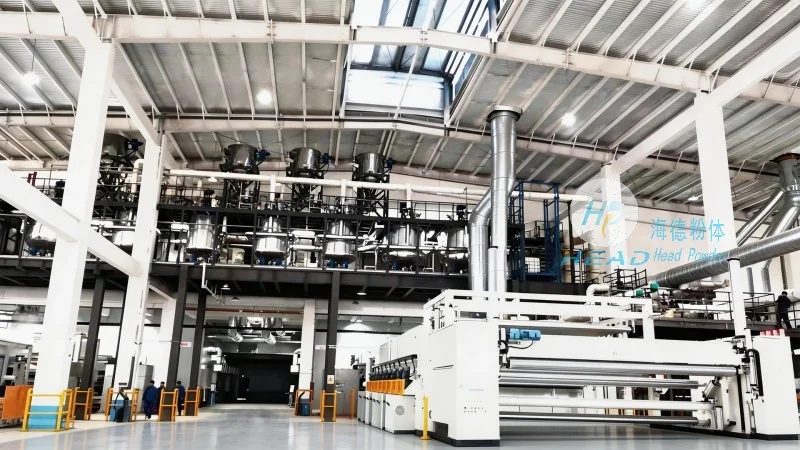
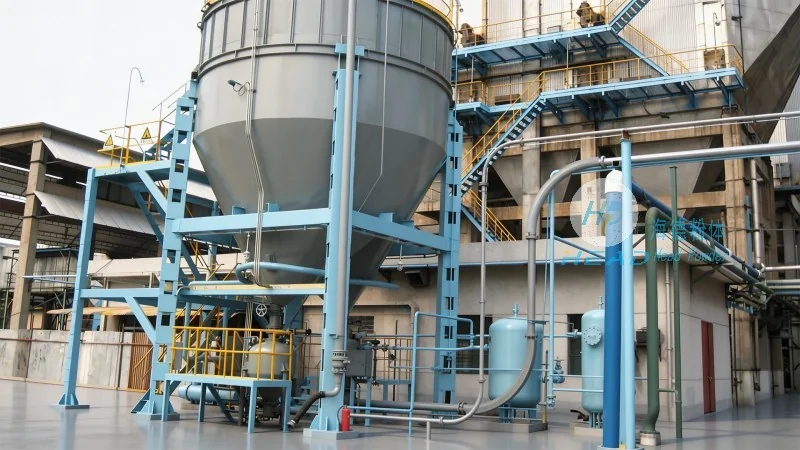
The fundamental principle of concrete powder conveying machines centers on the use of pneumatic or mechanical systems to move dry concrete powders from a source to a destination. Pneumatic conveying systems, for example, utilize compressed air to generate a flow that transports the powder through a pipeline. This method is particularly effective for long-distance and high-volume transport, as it minimizes material degradation and ensures consistent flow rates. Mechanical systems, such as screw conveyors or belt conveyors, are also employed, especially for shorter distances or when handling bulkier materials. The selection of the system depends on factors like the type of powder, required transport distance, and operational efficiency needs. For instance, pneumatic systems are preferred for fine powders and long distances, while mechanical systems may be more suitable for coarse powders and shorter routes.
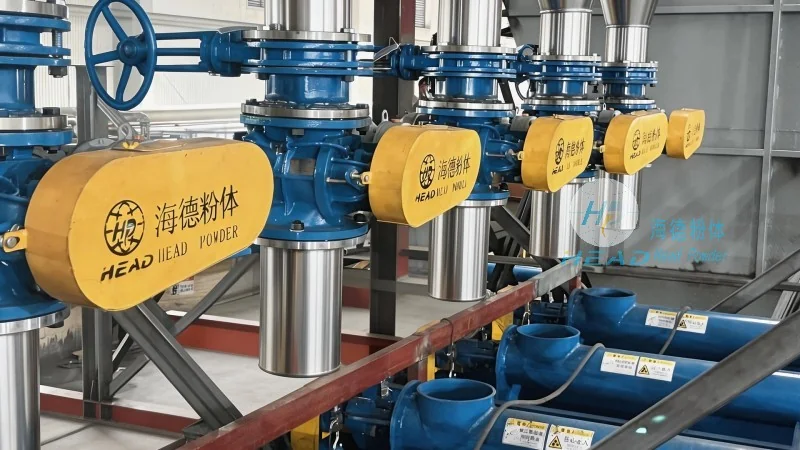
Concrete powder conveying machines are widely utilized in several key working scenes, each with distinct characteristics that influence their design and application. In large-scale construction sites, these machines are vital for transporting concrete powders from storage silos to mixing plants or on-site batching stations. The ability to handle large volumes quickly and with minimal human intervention makes them ideal for high-output projects, such as infrastructure development or large residential complexes. Additionally, in industrial settings like cement production facilities or concrete batching plants, these systems ensure a continuous supply of raw materials, enhancing overall production efficiency. Another important application is in remote or difficult-to-access construction areas, where traditional trucking methods may be impractical due to terrain or logistical constraints. The flexibility of concrete powder conveying machines allows for on-site mixing and placement, reducing transportation costs and improving project timelines. For example, in mountainous regions or offshore construction sites, these systems provide a reliable solution for transporting concrete powders without the need for extensive road networks.
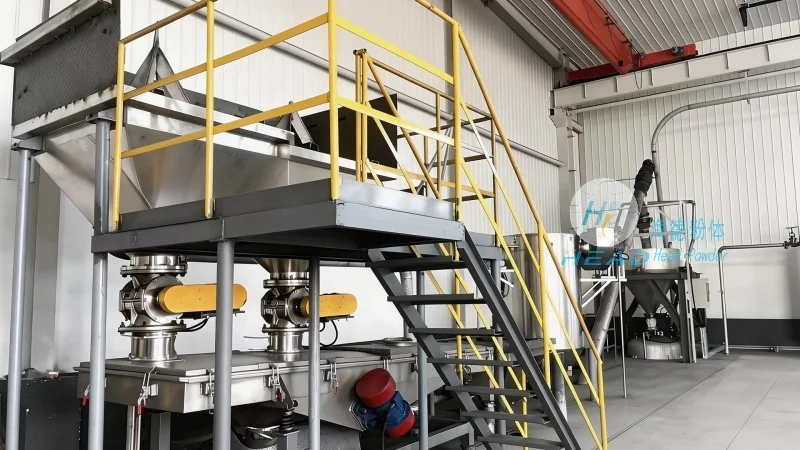
One of the primary advantages of concrete powder conveying machines is their ability to maintain the quality of the concrete powder during transport. Unlike traditional methods that may cause segregation or clumping, pneumatic systems keep the powder in a consistent state, preserving its workability and strength characteristics. This is particularly important for high-strength or specialized concrete mixes, where even minor changes in powder consistency can impact the final product quality. Furthermore, these machines offer significant cost savings by reducing the need for multiple transportation vehicles and minimizing material waste. In terms of operational flexibility, they can be easily integrated into existing construction workflows, adapting to changing project requirements without major modifications. The reliability of these systems also contributes to reduced downtime, as they are designed to operate continuously with minimal maintenance. For instance, pneumatic conveying systems can operate 24/7 with proper maintenance, ensuring uninterrupted supply of concrete powders to construction sites.

 Shandong Headpowder Engineering Co., Ltd.
 156-6277-7102(Manager Zhang)
  0531-83386006
  Zhangqiu District, Jinan City, Shandong Province, China
telephone
WeChatconsult
top