With more than 10‑year industry experience, Shandong Headpowder delivers full‑service pneumatic‑conveying systems and blowers, undertaking nationwide turn‑key powder‑handling projects.
Barite powder conveying machines are essential equipment in industrial applications, particularly in the mining and processing sectors where barite—a mineral composed of barium sulfate—is handled. These machines are designed to efficiently transport barite powder from one location to another, ensuring smooth and reliable material flow. The following sections will explore the fundamental principles behind their operation and the specific working scene characteristics that define their effectiveness in various industrial settings.
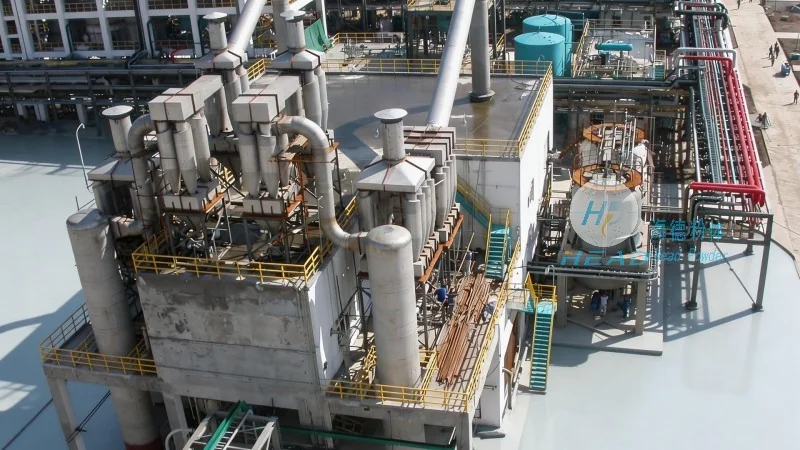
The operation of barite powder conveying machines is based on several key principles that enable efficient material handling. One of the primary mechanisms is the use of pneumatic or mechanical systems to move the fine barite particles. Pneumatic conveying systems, for instance, utilize compressed air to create a flow that transports the powder through pipelines. This method is particularly effective for handling dry, non-abrasive powders like barite, as it minimizes wear and tear on the equipment. Mechanical systems, such as screw conveyors or belt conveyors, may also be employed, especially in scenarios where the material is more abrasive or requires higher pressure handling. The choice of system depends on factors like the particle size, moisture content, and the distance over which the barite needs to be transported.
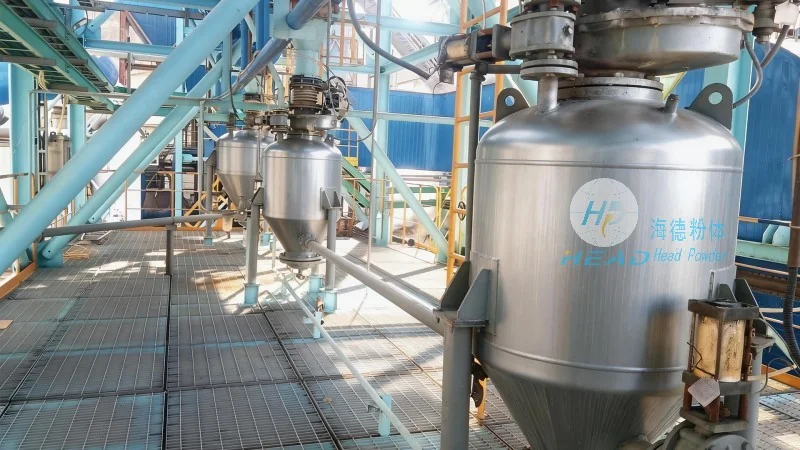
The effectiveness of barite powder conveying machines is heavily influenced by the working scene characteristics in which they are deployed. These characteristics include the environment, the scale of operation, and the specific requirements of the industrial process. For example, in mining operations, the machines are often used in underground or open-pit settings where barite is extracted from ore. The working scene may involve high dust levels, variable temperatures, and the need for robust equipment capable of withstanding harsh conditions. In contrast, in processing plants, the machines are typically used in controlled environments where the barite is processed into various products, such as barite-based drilling fluids or pigments. Here, the working scene may emphasize precision and cleanliness, with the machines designed to minimize contamination and maintain product quality. Additionally, the scale of operation can vary significantly, from small-scale laboratory applications to large-scale industrial production lines. This variation affects the design and capacity of the conveying machines, ensuring they can handle the required volume of barite powder efficiently.
Barite powder conveying machines find applications in a wide range of industries, primarily in sectors that rely on barite as a key raw material. In the oil and gas industry, for instance, barite is used to increase the density of drilling fluids, which helps to prevent wellbore collapse and improve drilling efficiency. The conveying machines are crucial in transporting the barite powder to the drilling sites or processing facilities. Similarly, in the paint and coatings industry, barite is used as a filler to improve the opacity and durability of products. The machines ensure that the barite powder is delivered to the production lines in a consistent and controlled manner. Other applications include the manufacturing of rubber and plastics, where barite is used as a reinforcing agent, and in the pharmaceutical industry, where it serves as a filler in certain formulations. Each of these applications requires specific working scene characteristics, and the conveying machines are tailored to meet those needs, ensuring optimal performance and product quality.
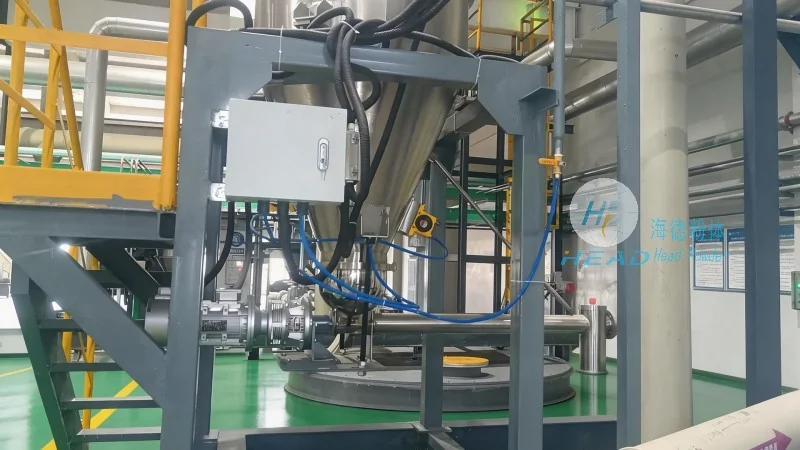
Implementing barite powder conveying machines offers several advantages in industrial operations. One of the key benefits is the improvement in material handling efficiency, as these machines can transport large volumes of barite powder quickly and reliably. This reduces the time and labor required for manual handling, leading to increased productivity. Additionally, the machines help to maintain a consistent flow of material, which is critical for maintaining production rates and avoiding bottlenecks. Another advantage is the reduction in dust and contamination, as the enclosed systems minimize the release of fine particles into the environment. This not only improves workplace safety but also helps to meet environmental regulations. However, there are also considerations to keep in mind when using these machines. For example, the choice of conveying system must be appropriate for the specific properties of the barite powder, such as its particle size and moisture content. Inadequate system selection can lead to blockages, increased wear, or reduced efficiency. Furthermore, regular maintenance is essential to ensure the longevity and performance of the equipment. This includes cleaning the pipelines, checking for wear and tear, and replacing parts as needed. By addressing these considerations, industrial operators can maximize the benefits of barite powder conveying machines and ensure their smooth operation.

 Shandong Headpowder Engineering Co., Ltd.
 156-6277-7102(Manager Zhang)
  0531-83386006
  Zhangqiu District, Jinan City, Shandong Province, China
telephone
WeChatconsult
top