With more than 10‑year industry experience, Shandong Headpowder delivers full‑service pneumatic‑conveying systems and blowers, undertaking nationwide turn‑key powder‑handling projects.
Polycrystalline silicon powder conveying machines are specialized equipment designed to handle and transport fine powders, particularly in industrial settings where precision and efficiency are critical. This article explores the fundamental principles behind these machines and highlights key characteristics of their operational environments, providing insights into their practical applications.
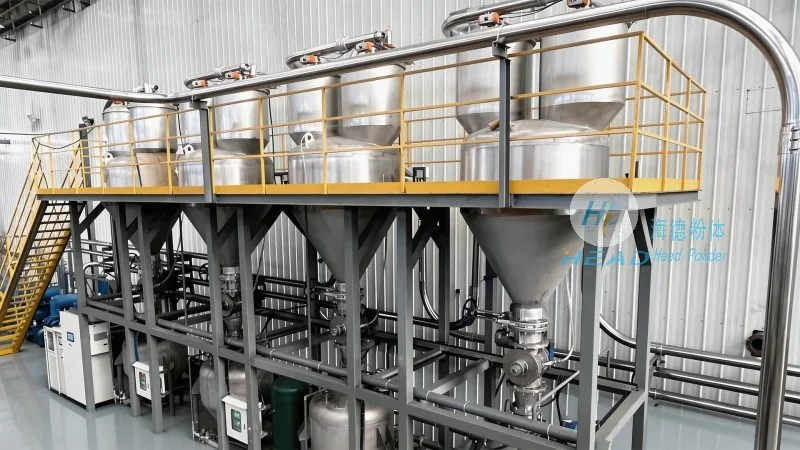
HeadPowder, a leading manufacturer in the field, is dedicated to providing high-quality conveying solutions. The company, officially known as Shandong HeadPowder Engineering Co., Ltd., is headquartered in Shandong, China. With a strong commitment to technological innovation and customer satisfaction, HeadPowder has established itself as a trusted partner for industries requiring reliable powder handling systems.
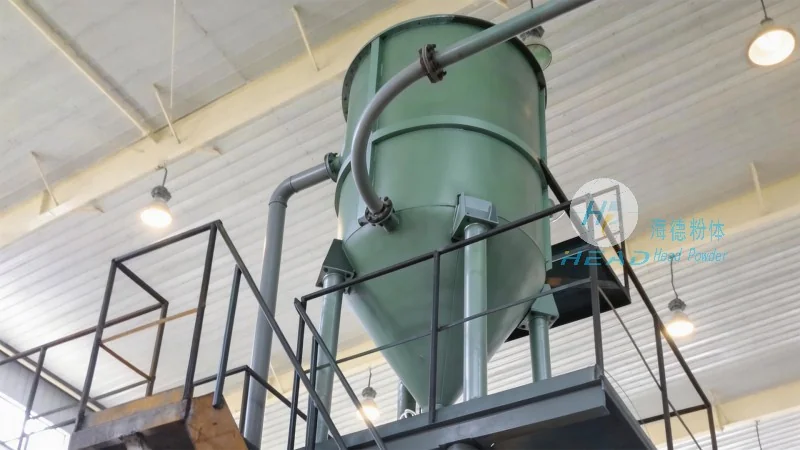
The operation of polycrystalline silicon powder conveying machines is based on a combination of mechanical and pneumatic principles. These systems typically utilize a closed-loop design to ensure minimal dust emission and maintain product purity. The primary mechanism involves the use of a hopper to store the silicon powder, from which the material is drawn into a conveying pipeline. Inside the pipeline, air or gas is introduced to create a fluidized state, allowing the powder to be transported efficiently. The design often incorporates features such as adjustable air pressure and flow rates, enabling operators to control the conveying speed and volume according to specific production requirements. This approach not only enhances the efficiency of material transfer but also minimizes the risk of product contamination, which is crucial for high-purity applications like solar cell manufacturing.
The working scene characteristics of polycrystalline silicon powder conveying machines are tailored to meet the demands of various industrial environments. One of the most significant aspects is the need for a controlled environment to maintain the purity of the silicon powder. This often requires the equipment to be installed in clean rooms or enclosed areas with filtered air systems. The machines are also designed to handle varying particle sizes and densities, making them versatile for different production stages. For instance, in the production of solar panels, these conveying systems are used to transport silicon powder from storage to processing units, ensuring a continuous and uninterrupted workflow. Additionally, the machines are built to withstand the corrosive and abrasive nature of silicon powders, with materials like stainless steel or specialized coatings used in critical components to extend their service life. The operational flexibility of these machines allows them to adapt to different production scales, from small-scale laboratory applications to large-scale industrial manufacturing lines.
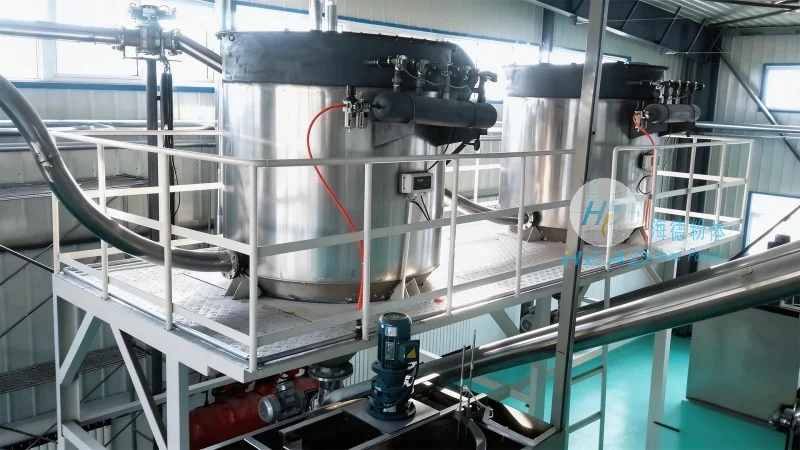
Polycrystalline silicon powder conveying machines find extensive application in the solar energy industry, where the purity and consistency of silicon powder are paramount. In solar cell production, these machines are integral to the supply chain, ensuring that silicon powder is delivered to the manufacturing line without any loss or contamination. The advantages of using such conveying systems include improved material handling efficiency, reduced labor costs, and enhanced product quality. Furthermore, the closed-loop design minimizes environmental impact by preventing dust dispersion, aligning with modern industrial standards for sustainability. The reliability of these machines, coupled with their low maintenance requirements, makes them a cost-effective solution for long-term operations. Industries such as semiconductor manufacturing and chemical processing also benefit from the precision and control offered by these conveying systems, as they help maintain the integrity of sensitive materials throughout the production process.

 Shandong Headpowder Engineering Co., Ltd.
 156-6277-7102(Manager Zhang)
  0531-83386006
  Zhangqiu District, Jinan City, Shandong Province, China
telephone
WeChatconsult
top