With more than 10‑year industry experience, Shandong Headpowder delivers full‑service pneumatic‑conveying systems and blowers, undertaking nationwide turn‑key powder‑handling projects.
Entrainment pneumatic conveying systems represent a sophisticated method for material handling, particularly in industries that require efficient and reliable transport of bulk materials. This technology operates on the principle of creating a vacuum or pressure differential to draw material particles into a flowing air stream. The process involves the introduction of a material stream into a pipeline, where it is entrained by the moving air, allowing for the transportation of the material over long distances or to elevated locations. The system's design and operation are tailored to meet the specific requirements of various industrial applications, ensuring optimal performance and minimal operational disruptions. By leveraging the power of air flow, entrainment systems offer a non-contact method of material transport, which is crucial for maintaining product integrity and preventing contamination in sensitive industries.
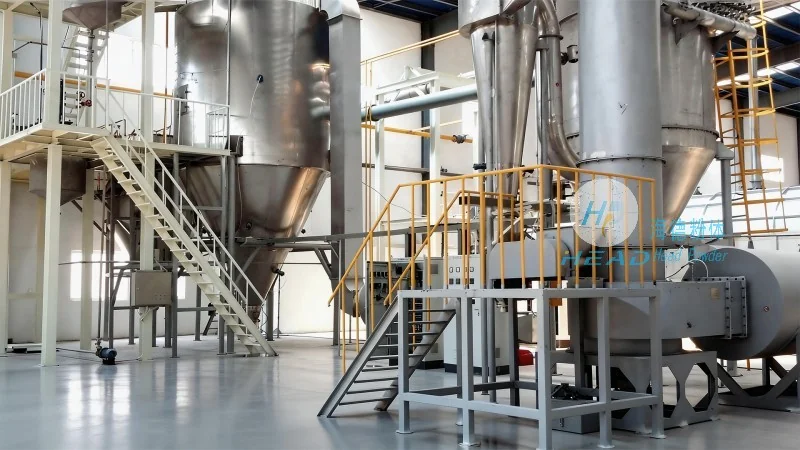
The fundamental principle behind entrainment pneumatic conveying is the creation of a high-velocity air flow that captures and transports particulate materials. This is achieved by injecting a material into a pipeline where the air velocity exceeds the material's terminal velocity, causing the particles to be carried along with the air. The system typically uses a combination of pressure or vacuum to generate the necessary air flow, with the choice of method depending on the material characteristics, pipeline length, and desired transport efficiency. The key components of an entrainment system include a material feed hopper, a conveying pipeline, a fan or blower to generate the air flow, and a discharge point where the material is released. The efficiency of the system is influenced by factors such as the air velocity, material size, and the design of the feed and discharge mechanisms. For example, fine powders may require higher air velocities to ensure proper entrainment, while larger granules can be transported with lower velocities, reducing energy consumption. The system's ability to handle a wide range of materials, from fine powders to larger granules, makes it versatile for various operational scenarios.
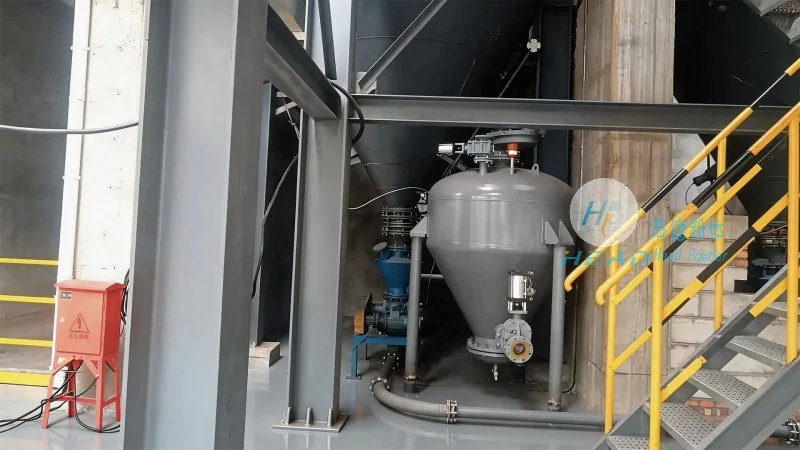
Entrainment pneumatic conveying systems are widely used in diverse industrial settings due to their adaptability and effectiveness. Common applications include the transport of powders, granules, and other bulk materials in sectors such as pharmaceuticals, food processing, chemical manufacturing, mining, and even in the production of cement and ceramics. The system's ability to handle a wide range of materials, from fine powders to larger granules, makes it suitable for various operational scenarios. For instance, in pharmaceutical production, the system ensures the safe and hygienic transport of raw materials and finished products, minimizing contamination risks and maintaining product purity. In food processing, the technology maintains product integrity and prevents cross-contamination, which is critical for compliance with regulatory standards like FDA and EU guidelines. In chemical manufacturing, the system facilitates the transport of reactive or hazardous materials in a controlled environment, enhancing safety and operational efficiency by reducing the need for manual handling. In mining operations, entrainment systems are used to transport ore and other minerals from processing plants to storage or for further processing, improving overall production throughput. The working scenarios also extend to long-distance transport, where the system can move materials over several kilometers without the need for intermediate storage or handling points, reducing overall operational costs and increasing productivity.
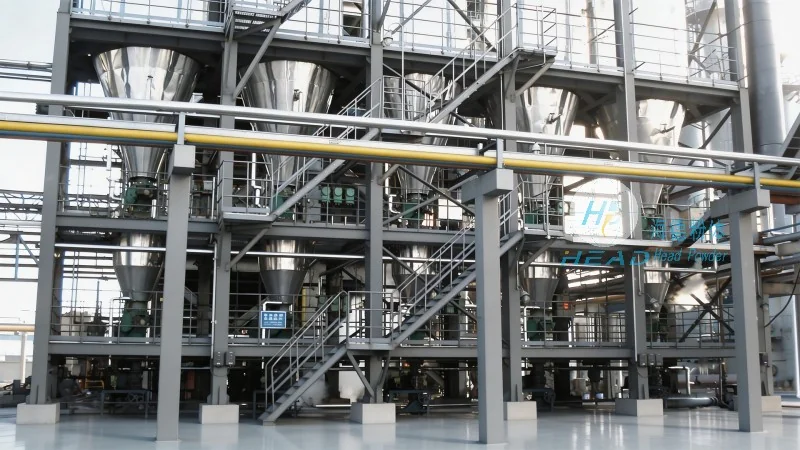
Shandong HeadPowder Engineering Co., Ltd., commonly known as headpowder, is a leading provider of advanced material handling solutions, specializing in the design, manufacturing, and implementation of entrainment pneumatic conveying systems. With a strong commitment to innovation and quality, the company has established itself as a trusted partner for industries seeking reliable and efficient material transport solutions. HeadPowder's expertise lies in understanding the unique requirements of each client and tailoring customized systems that meet their specific operational needs. The company's facilities are located in Shandong, China, where it leverages local resources and expertise to deliver high-quality products and services. By focusing on research and development, HeadPowder continuously improves its systems to enhance performance, reduce energy consumption, and minimize maintenance requirements, ensuring long-term operational benefits for its clients. The company's team of engineers and technicians brings years of experience in material handling technology, enabling them to provide comprehensive support from system design and installation to ongoing maintenance and troubleshooting. HeadPowder's dedication to customer satisfaction and technical excellence has earned it a reputation as a leading manufacturer in the industry, with clients spanning various sectors globally.

 Shandong Headpowder Engineering Co., Ltd.
 156-6277-7102(Manager Zhang)
  0531-83386006
  Zhangqiu District, Jinan City, Shandong Province, China
telephone
WeChatconsult
top