With more than 10‑year industry experience, Shandong Headpowder delivers full‑service pneumatic‑conveying systems and blowers, undertaking nationwide turn‑key powder‑handling projects.
When it comes to transporting ceramic materials, selecting the right conveying method is crucial for maintaining product quality, efficiency, and operational safety. Ceramic powders and granules are often delicate, with specific properties that require specialized handling. Traditional methods like belt conveyors or bucket elevators may not be suitable due to the risk of material degradation, contamination, or inefficient transfer. This article explores various ceramic conveying approaches and highlights the advanced solutions offered by Shandong HeadPowder Engineering Co., Ltd., commonly known as HeadPowder, based in Shandong, China.
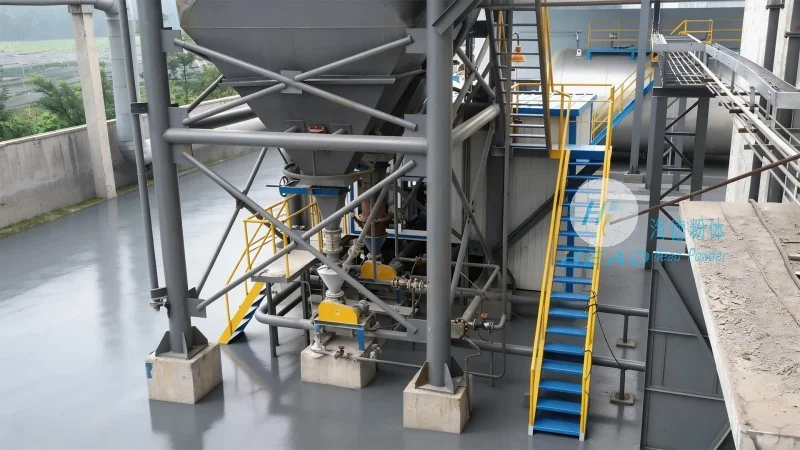
Ceramic materials, including powders, slurry, and finished products, present unique challenges during transportation. These materials are typically fine, abrasive, and sensitive to moisture or air exposure. Conventional bulk handling equipment may cause agglomeration, particle breakage, or contamination from external sources. Additionally, the need for precise control over flow rates and pressure in industrial processes demands sophisticated conveying systems. HeadPowder recognizes these challenges and has developed specialized pneumatic conveying solutions tailored to the needs of the ceramic industry.
Several conventional methods are used for ceramic material transport, each with its own advantages and limitations. Belt conveyors are widely used for horizontal or slight incline transport but are less effective for vertical or high-precision applications. Bucket elevators can handle vertical transport but may cause particle degradation due to impact and friction. Screw conveyors are suitable for low to medium capacity but are prone to blockages with fine powders. Pneumatic conveying, particularly the positive and negative pressure systems, offers a more controlled and gentle approach to handling delicate ceramic materials.
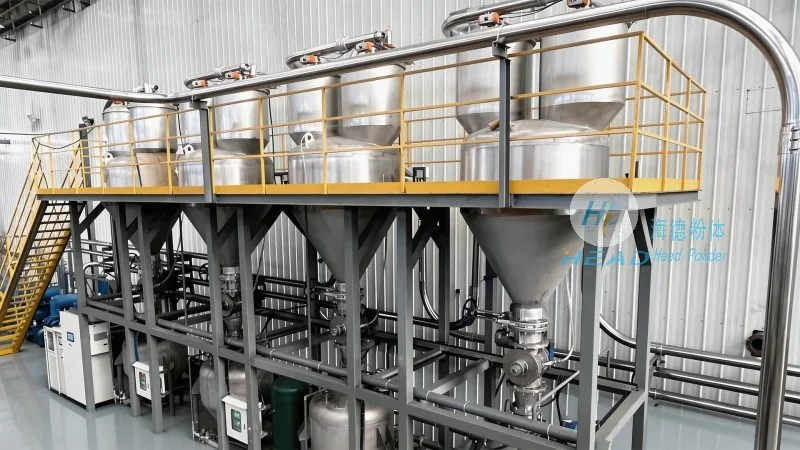
HeadPowder specializes in designing and manufacturing advanced pneumatic conveying systems for the ceramic industry. Their solutions are engineered to address the specific challenges of ceramic material handling, ensuring minimal product degradation and efficient transfer. The company's expertise lies in customizing systems based on the customer's material characteristics, process requirements, and operational environment. Key features of HeadPowder's pneumatic conveying systems include:
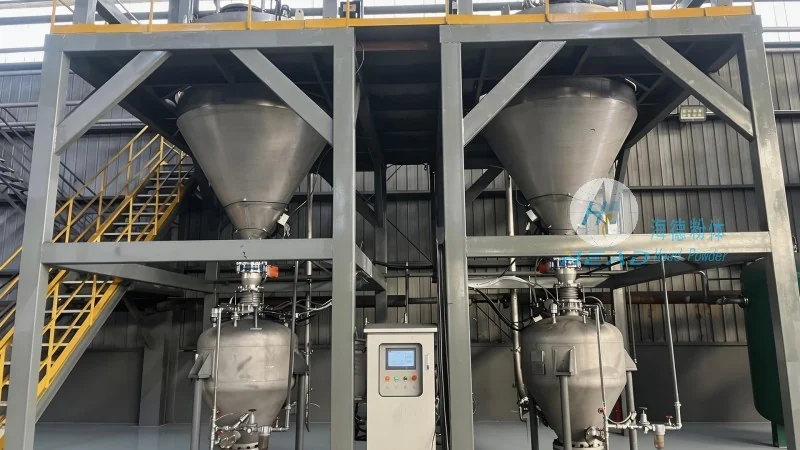
These systems are designed to handle a wide range of ceramic products, from fine powders to larger granules, ensuring consistent performance and reliability in industrial settings. HeadPowder's commitment to quality and innovation has made their pneumatic conveying solutions a preferred choice for ceramic manufacturers seeking reliable and efficient material transport solutions.
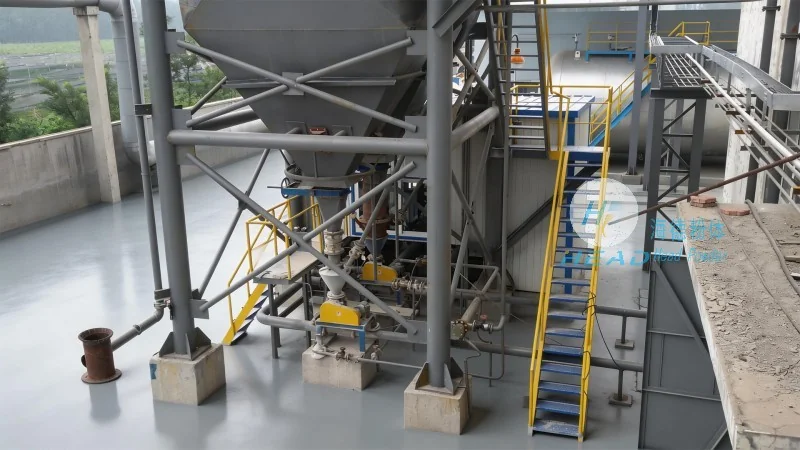
Implementing HeadPowder's pneumatic conveying systems offers several key benefits for ceramic processing facilities. First, the gentle handling of materials minimizes particle breakage and agglomeration, preserving the quality and integrity of the ceramic products. This is critical for applications where particle size and shape directly impact final product performance. Second, the systems provide precise control over flow rates and pressure, enabling seamless integration with downstream processes such as mixing, molding, or sintering. Third, the reduced risk of contamination and cross-contamination enhances product purity, which is essential for high-quality ceramic applications. Additionally, the energy efficiency of pneumatic conveying systems contributes to lower operational costs and reduced environmental impact.
Choosing the right ceramic conveying method is essential for optimizing production efficiency and maintaining product quality. While traditional methods have their place, modern industrial demands require more sophisticated and gentle handling solutions. HeadPowder's pneumatic conveying systems represent a superior approach to ceramic material transport, offering customized, efficient, and reliable solutions tailored to the unique needs of the ceramic industry. With their expertise and commitment to quality, HeadPowder continues to be a leader in providing advanced material handling solutions for ceramic manufacturers worldwide.

 Shandong Headpowder Engineering Co., Ltd.
 156-6277-7102(Manager Zhang)
  0531-83386006
  Zhangqiu District, Jinan City, Shandong Province, China
telephone
WeChatconsult
top