With more than 10‑year industry experience, Shandong Headpowder delivers full‑service pneumatic‑conveying systems and blowers, undertaking nationwide turn‑key powder‑handling projects.
Shandong HeadPowder Engineering Co., Ltd., commonly known as HeadPowder, is a leading manufacturer specializing in the design, development, and supply of advanced material handling solutions. With a strong presence in China, particularly in Shandong province, the company has established itself as a trusted partner for industries requiring efficient and reliable pneumatic conveying systems. This article explores the working principles and key features of high-pressure material pneumatic conveying lines, highlighting how such systems enhance operational efficiency and product integrity in various industrial applications.
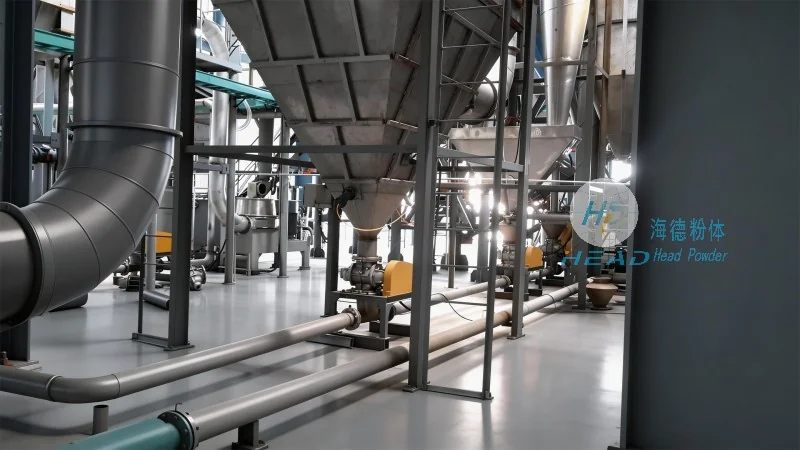
High-pressure material pneumatic conveying systems operate on the principle of using compressed air or gas to transport bulk materials through a pipeline network. Unlike low-pressure systems, which rely on suction or low-pressure air flow, high-pressure systems utilize higher air pressures to achieve greater conveying distances and handle a wider range of material types, including powders, granules, and even some bulk solids. The process typically involves several key components: a compressor to generate the necessary air pressure, a feeder to introduce the material into the system, a conveying line where the material is suspended and transported by the air stream, and a receiver to collect the material at the destination.
At the heart of the system is the compressor, which supplies high-pressure air to the conveying line. The feeder, often a rotary valve or a metering device, ensures a consistent flow of material into the system, preventing blockages and maintaining uniform conveying rates. As the material enters the conveying line, it is entrained by the high-velocity air stream, forming a dense or dilute phase flow depending on the system design and material characteristics. The conveying line itself is constructed from durable materials, such as stainless steel or special alloys, to withstand the high pressures and corrosive properties of the materials being transported. The receiver, equipped with a dust collection system, collects the material and separates it from the air, ensuring minimal product loss and environmental compliance.
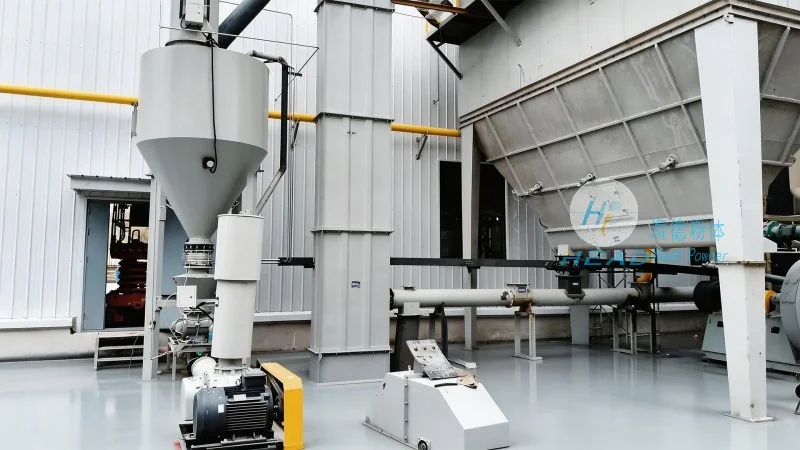
High-pressure material pneumatic conveying systems offer several distinct advantages that make them ideal for demanding industrial applications. One of the primary features is their ability to handle a wide variety of materials, from fine powders to coarse granules, with minimal degradation or segregation. This versatility is achieved through adjustable air pressures and flow rates, allowing the system to be optimized for different material properties and conveying requirements.
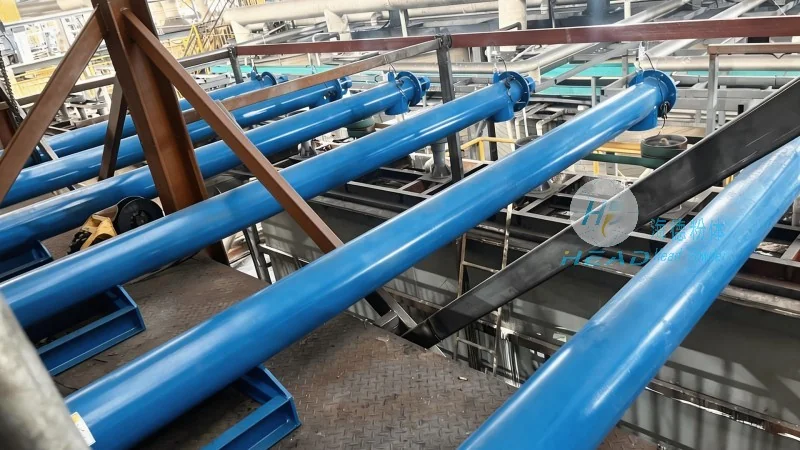
Another significant feature is the system's efficiency in terms of energy consumption and operational costs. By using high-pressure air to transport materials over long distances, these systems reduce the need for mechanical conveyors, such as belt or screw conveyors, which can be less efficient and more prone to maintenance issues. Additionally, the enclosed pipeline design minimizes dust emissions and product contamination, enhancing workplace safety and product quality.
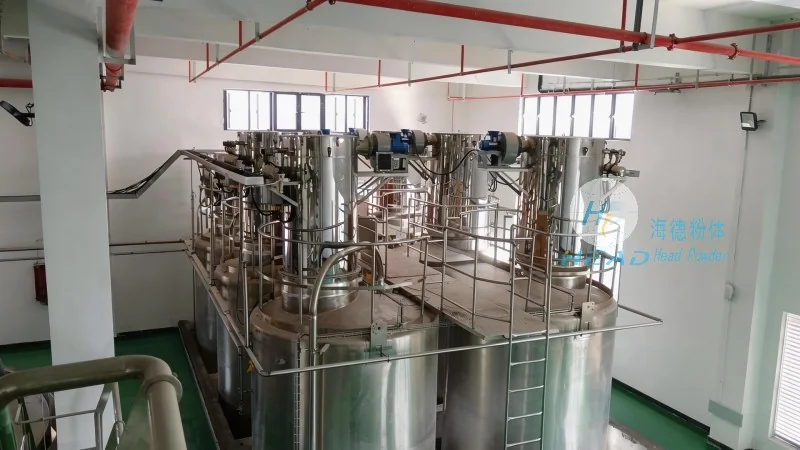
Reliability and durability are also key features of high-pressure pneumatic conveying systems. The robust construction of the conveying line and components ensures long-term operation with minimal downtime. Advanced control systems, including pressure sensors and flow meters, provide real-time monitoring and automatic adjustments, ensuring consistent performance and preventing system failures. Furthermore, the system's ability to handle abrasive materials without significant wear and tear makes it suitable for industries such as chemicals, food processing, and pharmaceuticals, where product purity and equipment longevity are critical.
High-pressure material pneumatic conveying systems, as exemplified by the solutions offered by Shandong HeadPowder Engineering Co., Ltd., represent a sophisticated and efficient method for bulk material handling. By leveraging high-pressure air to transport materials through enclosed pipelines, these systems provide superior control over material flow, minimize product degradation, and enhance operational safety. The key features, including versatility, energy efficiency, and durability, make them suitable for a wide range of industrial applications, from chemical processing to food and pharmaceutical manufacturing. As industries continue to demand higher productivity and product quality, high-pressure pneumatic conveying systems remain a reliable and effective solution for modern material handling challenges.

 Shandong Headpowder Engineering Co., Ltd.
 156-6277-7102(Manager Zhang)
  0531-83386006
  Zhangqiu District, Jinan City, Shandong Province, China
telephone
WeChatconsult
top