

Operation Process and Working Principle of Low-Pressure Material Handling Systems
Low-pressure material handling systems are essential in various industrial applications, providing efficient and reliable transportation of bulk materials with minimal pressure differentials. These systems are designed to handle a wide range of materials, from powders and granules to small solid pieces, ensuring smooth and continuous operation in manufacturing, processing, and distribution environments.
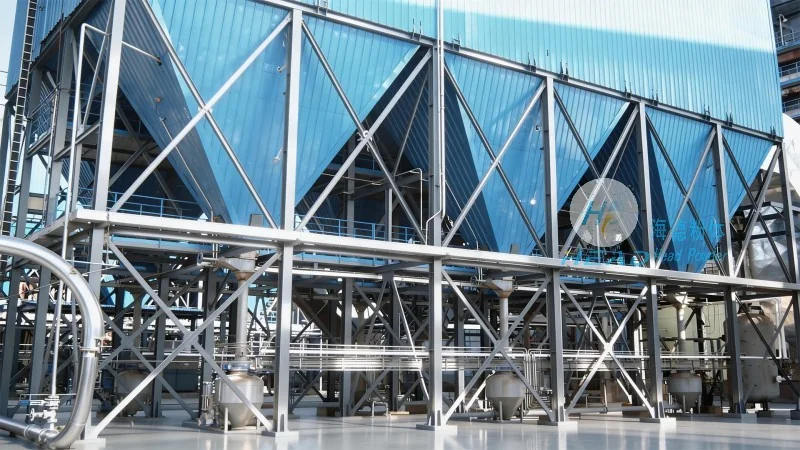
Overview of Low-Pressure Material Handling Systems
Low-pressure material handling systems utilize gentle pressure differentials to move materials through pipelines or conveyor systems. Unlike high-pressure systems, they operate at low differential pressures, typically ranging from a few millibars to a few hundred millibars, which minimizes material degradation and equipment wear. The core components of such systems include a source of material, a transport medium (often air or gas), and a receiving unit. The system's design is tailored to the specific characteristics of the material being handled, such as particle size, density, and flowability, ensuring optimal performance.
The Operation Process of Low-Pressure Material Handling Systems
The operation process of a low-pressure material handling system involves several key steps. First, the material is fed into the system from a storage hopper or silo. The material then passes through a feeder, which controls the flow rate to maintain a consistent and uniform material stream. Next, the material is introduced into the transport medium, which can be air or a specific gas, creating a mixture of material and gas. This mixture is then conveyed through the pipeline system under low pressure. The receiving unit, such as a silo or storage bin, collects the material at the end of the pipeline. Throughout the process, sensors and controls monitor the system's performance, ensuring that the material flow remains stable and that any deviations are quickly detected and corrected.
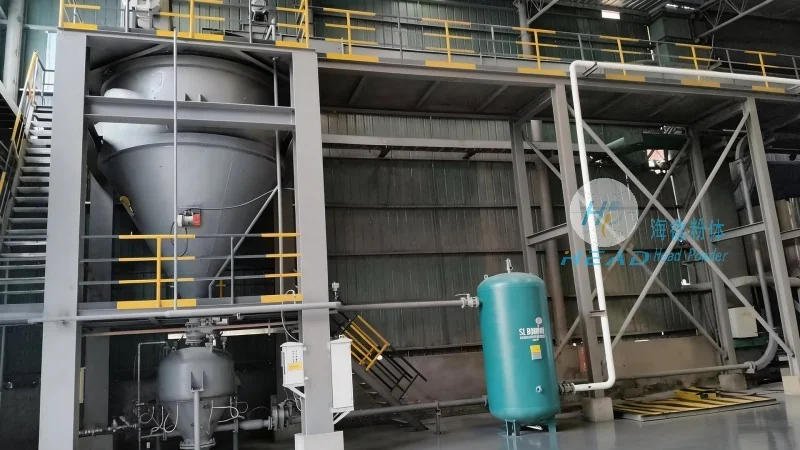
Working Principle of Low-Pressure Material Handling Systems
The working principle of low-pressure material handling systems is based on the principle of fluidization and pneumatic transport. The transport medium (usually air) is introduced into the material bed, creating a fluidized state where the material particles are suspended and move freely. This fluidization allows the material to be transported through the pipeline with minimal friction and resistance. The system relies on the pressure differential between the inlet and outlet of the pipeline to drive the material flow. The pressure difference is maintained by a blower or compressor, which provides the necessary energy to move the material. The design of the system, including the size and shape of the pipelines, the angle of the incline, and the type of feeder, all contribute to the efficient operation of the system. The low-pressure nature of the system ensures that the material is handled gently, reducing the risk of breakage or degradation, which is particularly important for delicate or sensitive materials.
Key Components and Their Functions
Several key components are integral to the operation of low-pressure material handling systems. The feeder is responsible for controlling the material flow rate, ensuring a consistent and uniform feed to the system. The blower or compressor provides the necessary pressure to move the material through the pipeline. The pipeline system, made of materials such as stainless steel or plastic, transports the material from the feeder to the receiving unit. The receiving unit, such as a silo or storage bin, collects the material and stores it for further processing or distribution. Sensors and controls are also essential components, monitoring the system's performance and making adjustments as needed to maintain optimal operation.
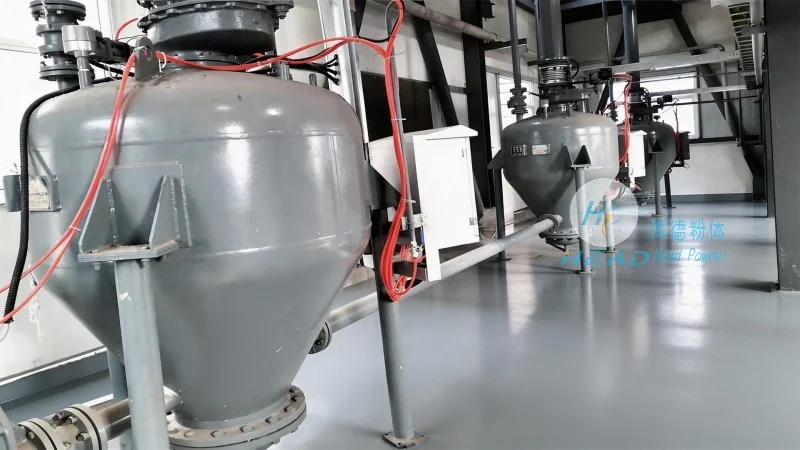
Applications and Benefits of Low-Pressure Material Handling Systems
Low-pressure material handling systems are widely used in various industries, including food processing, pharmaceuticals, chemicals, and mining. They are particularly suitable for handling delicate or sensitive materials, such as powders and granules, which require gentle handling to prevent degradation or contamination. The benefits of these systems include efficient material transportation, reduced material degradation, lower energy consumption compared to high-pressure systems, and improved safety due to the low pressure and minimal risk of explosion. Additionally, the systems are easy to install and maintain, making them a cost-effective solution for many industrial applications.
About HeadPowder: Shandong HeadPowder Engineering Co., Ltd.
HeadPowder, or Shandong HeadPowder Engineering Co., Ltd., is a leading manufacturer and supplier of low-pressure material handling systems. With a focus on innovation and quality, the company provides customized solutions tailored to the specific needs of its clients. HeadPowder's systems are designed to meet the highest standards of performance and reliability, ensuring that they operate efficiently and safely in various industrial environments. The company's headquarters is located in Shandong, China, where it has a team of experienced engineers and technicians dedicated to developing and manufacturing high-quality material handling equipment. HeadPowder is committed to providing its customers with the best possible service and support, ensuring that their systems operate at peak performance for years to come.