With more than 10‑year industry experience, Shandong Headpowder delivers full‑service pneumatic‑conveying systems and blowers, undertaking nationwide turn‑key powder‑handling projects.
HeadPowder, a leading engineering company based in Shandong, China, specializes in the design and implementation of advanced material handling solutions. This article provides an in-depth look at the working principles and key features of nitrogen-protected material pneumatic conveying systems, which are widely used in industries requiring high purity and contamination control.
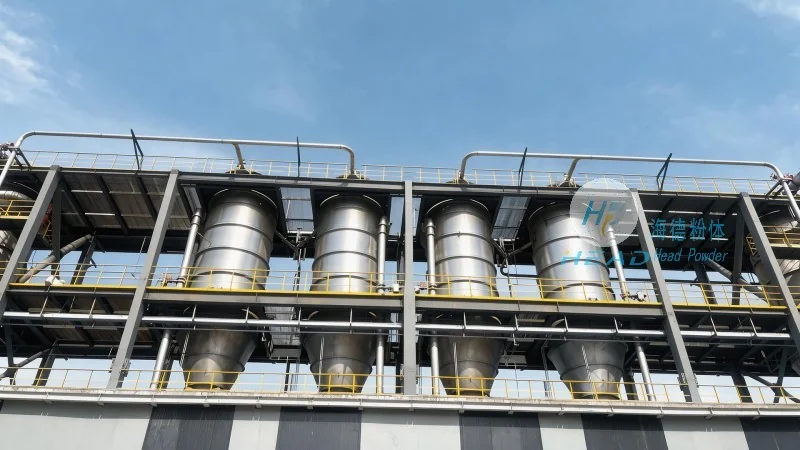
HeadPowder is a professional manufacturer and supplier of pneumatic conveying equipment. The company is headquartered in Shandong, China, and has established a strong reputation for delivering reliable, efficient, and safe material handling systems. With years of industry experience, HeadPowder focuses on providing customized solutions tailored to the specific needs of clients across various sectors.
Nitrogen-protected material pneumatic conveying systems operate by transporting bulk materials through a pipeline using a combination of air or gas as the conveying medium. The primary function of the nitrogen gas is to create an inert atmosphere, which prevents oxidation, moisture absorption, and contamination of the conveyed materials. This is particularly crucial for sensitive products such as pharmaceuticals, food ingredients, and chemical powders that require strict environmental control.
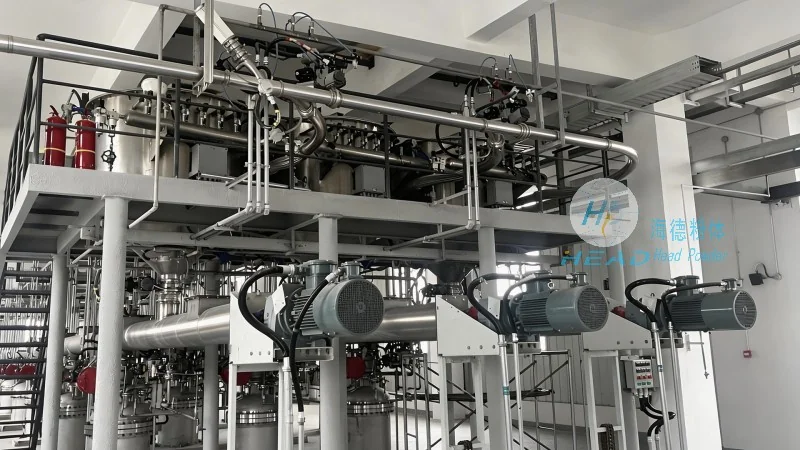
The system typically consists of several key components, including a hopper for material storage, a feeder to control the flow rate, a conveying line with appropriate pressure and flow control devices, and a receiver for the discharged material. The nitrogen gas is introduced into the system to displace air and maintain a low-oxygen environment. As the material is fed into the hopper, it is then pneumatically conveyed through the pipeline under controlled pressure and velocity. The nitrogen gas ensures that the material remains in a stable state, minimizing agglomeration and ensuring consistent flow characteristics.
One of the most significant advantages of nitrogen-protected material pneumatic conveying systems is their ability to maintain product integrity and purity. By using an inert gas like nitrogen, the system prevents exposure to atmospheric oxygen and moisture, which can cause degradation or contamination of the material. This is especially important for products that are sensitive to environmental factors, as it ensures that the final product meets stringent quality standards.
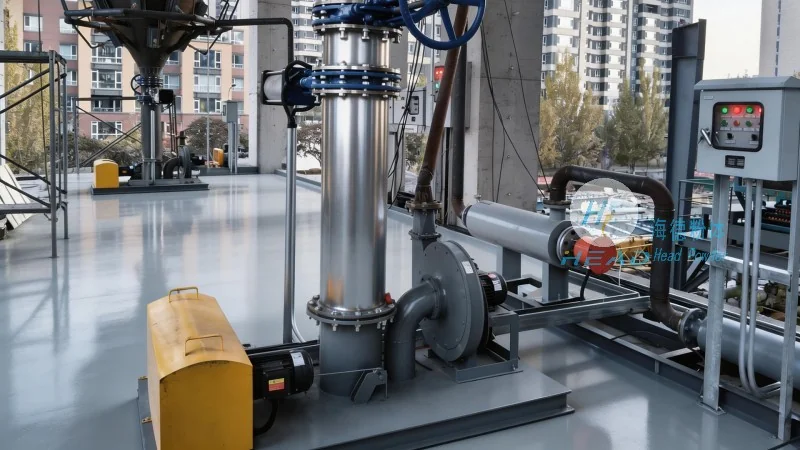
Another key feature is the high efficiency and flexibility of the system. Pneumatic conveying allows for the transport of materials over long distances and through complex layouts without the need for mechanical components like belts or screws. The system can handle a wide range of materials, from fine powders to bulk granules, with minimal maintenance requirements. Additionally, the use of nitrogen gas provides a safe and controlled environment, reducing the risk of fire or explosion in applications involving flammable or reactive materials.
The system also offers excellent control over material flow and pressure. Advanced control systems can be integrated to monitor and adjust the conveying parameters in real-time, ensuring optimal performance and preventing issues such as blockages or excessive pressure. This level of control is essential for maintaining product quality and minimizing downtime in industrial operations.

 Shandong Headpowder Engineering Co., Ltd.
 156-6277-7102(Manager Zhang)
  0531-83386006
  Zhangqiu District, Jinan City, Shandong Province, China
telephone
WeChatconsult
top