With more than 10‑year industry experience, Shandong Headpowder delivers full‑service pneumatic‑conveying systems and blowers, undertaking nationwide turn‑key powder‑handling projects.
For industrial facilities dealing with sintered ash materials, efficient material handling is crucial for maintaining operational efficiency and safety. Pneumatic conveying equipment offers a reliable solution for transporting these materials over long distances or within complex processing systems. This article explores the working principle and key features of such equipment, highlighting how it enhances material transport in industrial applications.
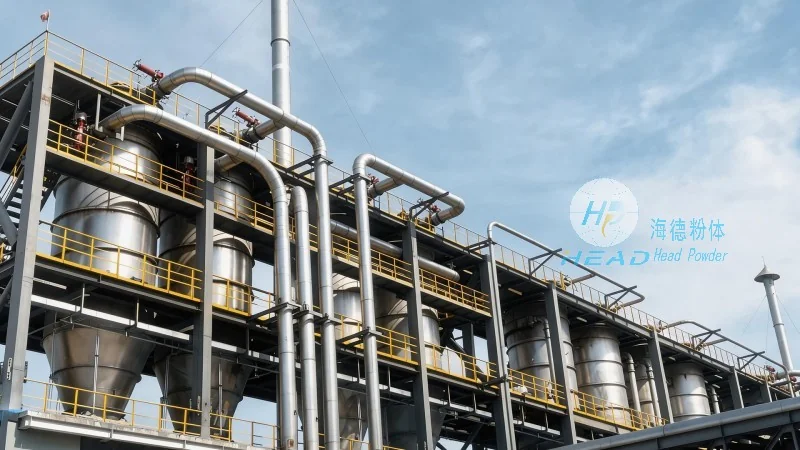
HeadPowder, a leading manufacturer based in Shandong, China, specializes in designing and producing advanced pneumatic conveying systems tailored to the needs of various industries. With a focus on innovation and quality, the company provides customized solutions that ensure optimal performance and durability for sintered ash material handling.
The core mechanism of pneumatic conveying equipment involves the use of air to transport bulk materials like sintered ash through a pipeline system. The process typically operates under either positive or negative pressure, depending on the specific requirements of the application. In positive pressure systems, air is forced through the pipeline, creating a flow that pulls the material along. Conversely, negative pressure systems use suction to draw material into the pipeline. The equipment includes components such as a feeder, a conveying line, and a receiver, which work in tandem to ensure smooth material transport. The feeder controls the flow rate of the sintered ash, while the conveying line (often equipped with bends and valves) directs the material to the desired destination. The receiver collects the material at the end of the line, completing the transport cycle. This method eliminates the need for mechanical components like belts or buckets, reducing maintenance and increasing operational reliability.
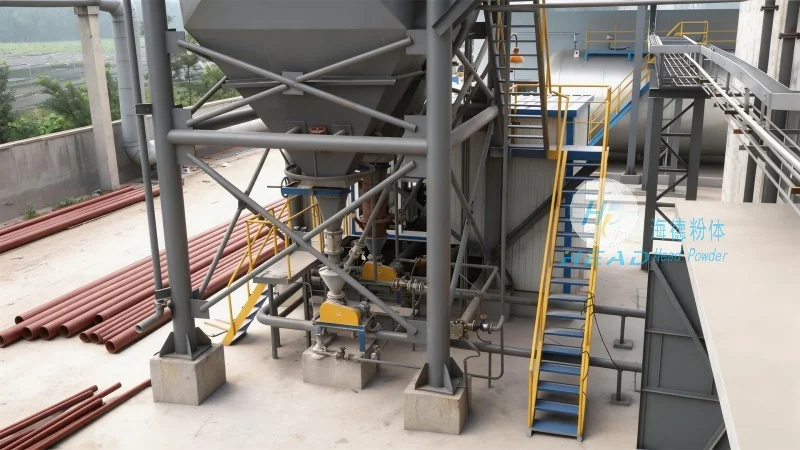
Several distinct features make pneumatic conveying equipment ideal for sintered ash material handling. Firstly, it offers a dust-free and enclosed transport system, which is critical for maintaining environmental standards and worker safety. Unlike traditional methods that expose materials to the air, this system prevents dust emissions, making it suitable for applications where air quality is a concern. Secondly, the equipment provides high transport efficiency, allowing for the movement of large volumes of material over long distances with minimal energy consumption. The ability to handle abrasive materials like sintered ash without causing wear and tear on the system components is another significant advantage. Additionally, the system is flexible and can be easily integrated into existing industrial processes, adapting to various plant layouts and operational needs. The use of air as the conveying medium also allows for the transport of materials through vertical or horizontal paths, providing versatility in system design. Furthermore, the equipment is designed for low maintenance, with components that are easy to inspect and replace, reducing downtime and operational costs.
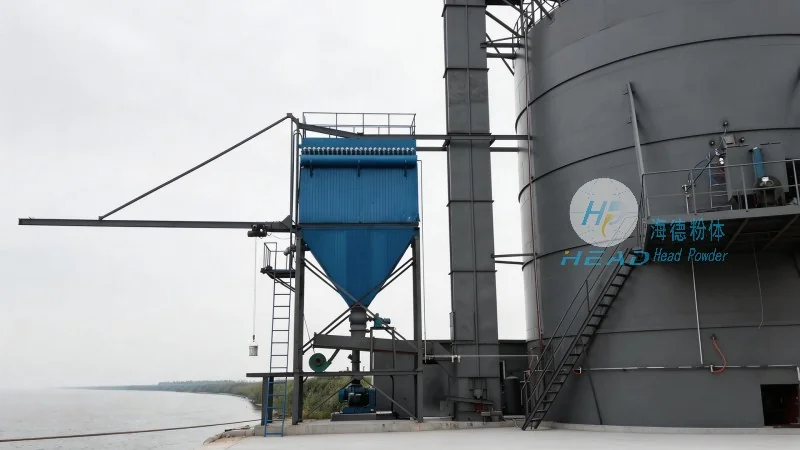
The implementation of pneumatic conveying equipment for sintered ash materials brings several performance benefits. It enhances overall plant efficiency by streamlining material flow, reducing the time and labor required for manual handling. The enclosed system also improves safety by minimizing the risk of material exposure to workers and the environment. In terms of cost-effectiveness, the equipment offers long-term savings through reduced maintenance and increased productivity. The reliability of the system ensures consistent material delivery, which is essential for maintaining production schedules and quality standards. HeadPowder's expertise in designing customized systems ensures that clients receive solutions that are optimized for their specific operational conditions, further enhancing performance and reducing operational risks.
Pneumatic conveying equipment for sintered ash materials is a sophisticated solution that combines efficiency, safety, and reliability. By leveraging the principles of air-based transport, this equipment addresses the challenges of handling abrasive and dusty materials while maintaining operational standards. HeadPowder, with its commitment to quality and innovation, continues to provide advanced solutions that meet the evolving needs of industrial clients. The features and working principles discussed highlight the importance of choosing the right equipment for material handling, ensuring optimal performance and long-term operational success.

 Shandong Headpowder Engineering Co., Ltd.
 156-6277-7102(Manager Zhang)
  0531-83386006
  Zhangqiu District, Jinan City, Shandong Province, China
telephone
WeChatconsult
top