With more than 10‑year industry experience, Shandong Headpowder delivers full‑service pneumatic‑conveying systems and blowers, undertaking nationwide turn‑key powder‑handling projects.
HeadPowder, a leading provider of industrial material handling solutions, specializes in pneumatic conveying systems designed for the efficient and reliable transport of artificial graphite materials. These systems are engineered to meet the unique challenges associated with handling fine powders and granular materials, ensuring optimal performance in various industrial applications.
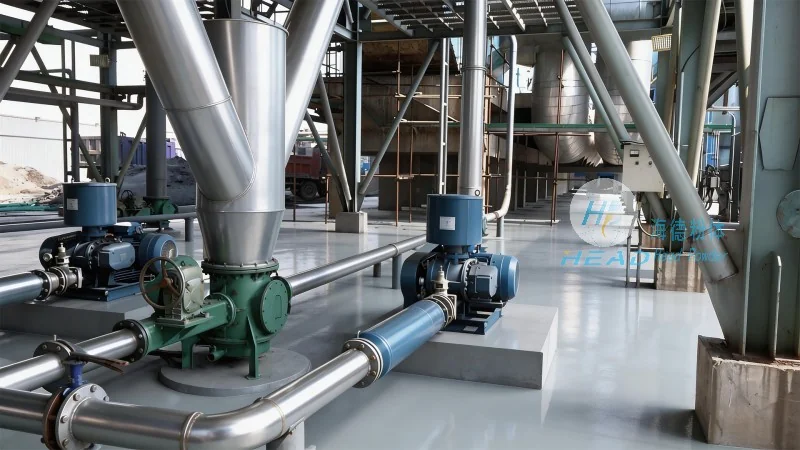
Pneumatic conveying systems operate by using compressed air or vacuum to move artificial graphite materials through a network of pipes. The core mechanism involves creating a flow of air that entrains the graphite particles, transporting them from the source to the destination. There are two primary types of pneumatic conveying systems: positive pressure and negative pressure. Positive pressure systems use a blower to force air and material through the system, while negative pressure systems employ a vacuum to draw material into the system. For artificial graphite, which is often a fine powder, positive pressure systems are commonly preferred due to their ability to handle high material loads and maintain consistent flow rates. The system typically includes a hopper for material storage, a feeder to control the discharge rate, a conveying line with appropriate pipe diameters and bends, and a receiver to collect the material at the end of the line. The air velocity within the pipe is critical; it must be sufficient to keep the graphite particles suspended and prevent deposition or blockages. Proper design of the system ensures that the air-to-material ratio is optimized, balancing energy efficiency with effective material transport. The conveying process involves several stages: material feeding, air induction, particle suspension, and delivery. Each stage is carefully engineered to minimize material degradation and ensure smooth operation. For artificial graphite, which can be abrasive and prone to dust generation, the system components are often made from corrosion-resistant materials such as stainless steel or special alloys to withstand wear and maintain hygiene standards.
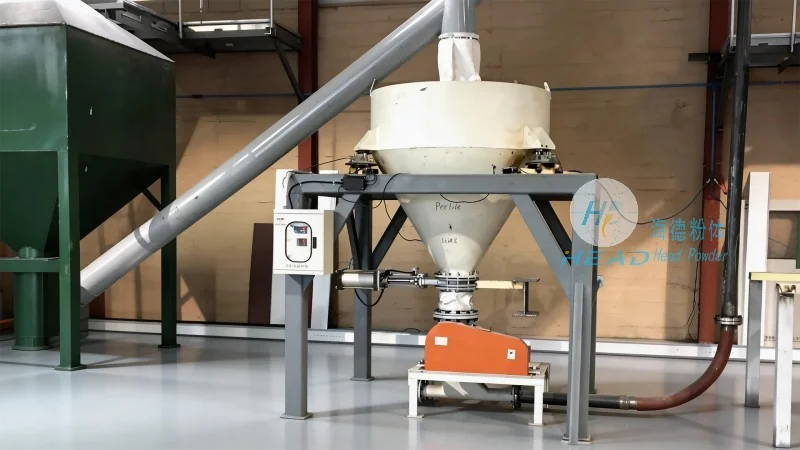
The pneumatic conveying systems for artificial graphite materials offered by HeadPowder are characterized by several key features that enhance their performance and suitability for industrial use. One of the primary advantages is their high efficiency in material transport, as they can move large quantities of graphite over long distances with minimal energy consumption compared to traditional methods like belt conveyors or bucket elevators. The systems are also highly flexible, allowing for easy integration into existing production lines and the ability to change the conveying route without major modifications. This adaptability is particularly valuable in facilities where material handling requirements may change over time. Another significant feature is the cleanliness and dust control provided by pneumatic systems. Unlike mechanical systems that may generate dust through friction or impact, pneumatic conveying keeps the material enclosed within the pipe, reducing airborne dust and improving workplace safety. This is especially important for artificial graphite, which can be hazardous if inhaled. The systems also offer excellent material handling capabilities for fine powders, preventing agglomeration and ensuring consistent particle size distribution. This is crucial for maintaining the quality of the graphite product, as uniform particle size is often required for specific applications like battery anodes or lubricants. Additionally, the systems are designed for low maintenance and durability. High-quality components, such as wear-resistant liners and efficient blowers, ensure long service life and reduce downtime. HeadPowder's expertise in customizing these systems to specific customer needs further enhances their features, ensuring that the solution is tailored to the unique requirements of each application. The company's commitment to using advanced technology and materials ensures that the systems not only meet but exceed industry standards for performance and reliability.
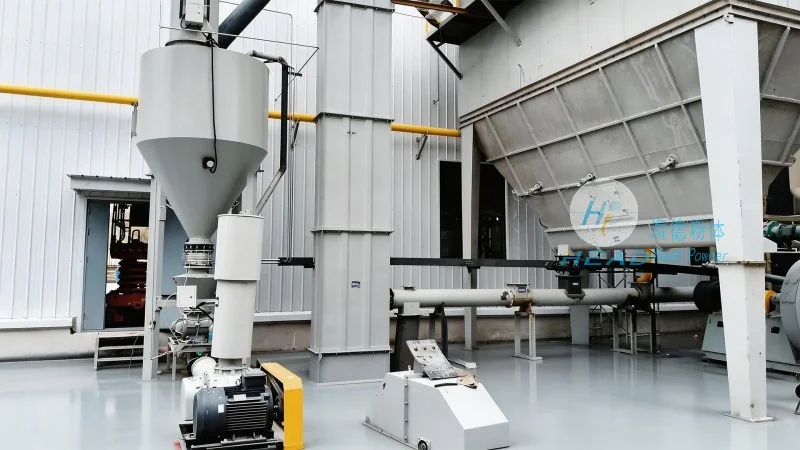
HeadPowder, based in Shandong, China, leverages its extensive experience in material handling to provide comprehensive solutions for artificial graphite material transport. By combining innovative engineering with rigorous quality control, HeadPowder delivers pneumatic conveying systems that are efficient, reliable, and tailored to the needs of modern industrial operations. The company's focus on customer satisfaction and technical support ensures that clients receive not just a product, but a partner in optimizing their material handling processes.

 Shandong Headpowder Engineering Co., Ltd.
 156-6277-7102(Manager Zhang)
  0531-83386006
  Zhangqiu District, Jinan City, Shandong Province, China
telephone
WeChatconsult
top