With more than 10‑year industry experience, Shandong Headpowder delivers full‑service pneumatic‑conveying systems and blowers, undertaking nationwide turn‑key powder‑handling projects.
For industrial applications involving the transport of sulfate ferrous materials, a pneumatic conveying system offers an efficient and reliable solution. This article explores the working principle and key features of such a system, highlighting its advantages and practical applications in material handling processes.
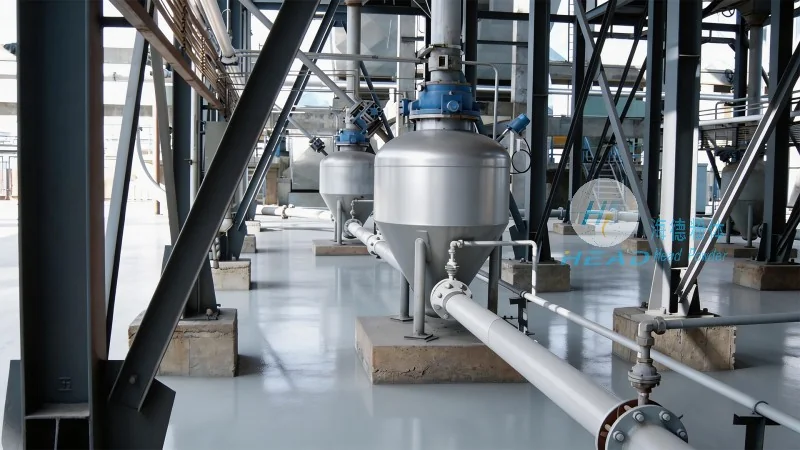
A pneumatic conveying system is a technology used to transport bulk materials like sulfate ferrous compounds through a pipeline using a gas stream, typically air or other gases. This method is particularly suitable for materials that are dusty, abrasive, or require a controlled environment during transport. The system is designed to handle the specific properties of sulfate ferrous materials, ensuring safe and efficient movement from the source to the destination.
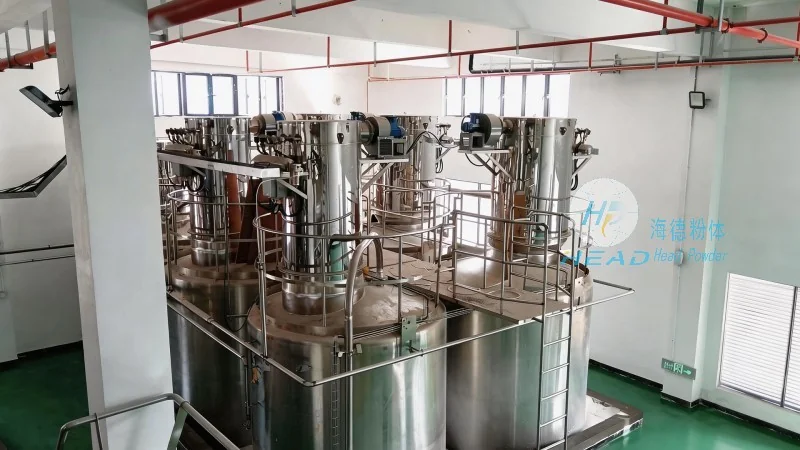
The core working principle of the system involves creating a pressure differential within the conveying pipeline. The process typically starts with the material being fed into a hopper or feeder, where it is then introduced into the pipeline. Simultaneously, a high-pressure air stream is generated and introduced into the pipeline, creating a flow that propels the material forward. The air velocity is carefully controlled to ensure that the material particles are entrained and transported without causing excessive wear or blockages. The system may use either positive pressure (where air is blown into the system) or negative pressure (where air is drawn out), depending on the specific requirements of the application. The pressure differential ensures that the material is continuously moved through the pipeline, reaching the discharge point where it is collected.
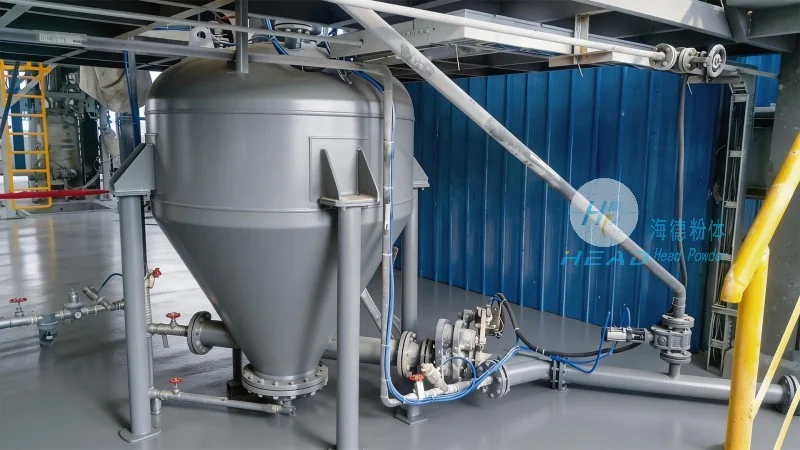
The sulfate ferrous material pneumatic conveying system is characterized by several key features that enhance its performance and adaptability. Firstly, it offers a closed system, which helps in controlling dust emissions and maintaining a clean environment, which is crucial for handling ferrous materials that may be sensitive to contamination. Secondly, the system provides flexibility in terms of pipeline layout, allowing for vertical, horizontal, or inclined transport paths as needed. This adaptability makes it suitable for various industrial settings. Thirdly, the system is designed for high efficiency, with minimal energy consumption compared to traditional mechanical conveying methods. It also minimizes material degradation during transport, preserving the quality of the sulfate ferrous product. Additionally, the system can be equipped with monitoring and control systems that allow for real-time adjustments to maintain optimal operation and prevent system failures.
The use of a pneumatic conveying system for sulfate ferrous materials brings several benefits to industrial operations. It improves process efficiency by reducing downtime and maintenance costs associated with mechanical conveyors. The closed system design enhances safety by preventing dust explosions and minimizing exposure to hazardous materials. Furthermore, the system's ability to handle abrasive materials without significant wear on components extends the lifespan of the equipment. In terms of environmental impact, the system reduces the risk of material spillage and dust pollution, contributing to a cleaner industrial operation. Overall, the system provides a cost-effective and reliable solution for the transportation of sulfate ferrous materials, supporting the smooth operation of industrial processes.
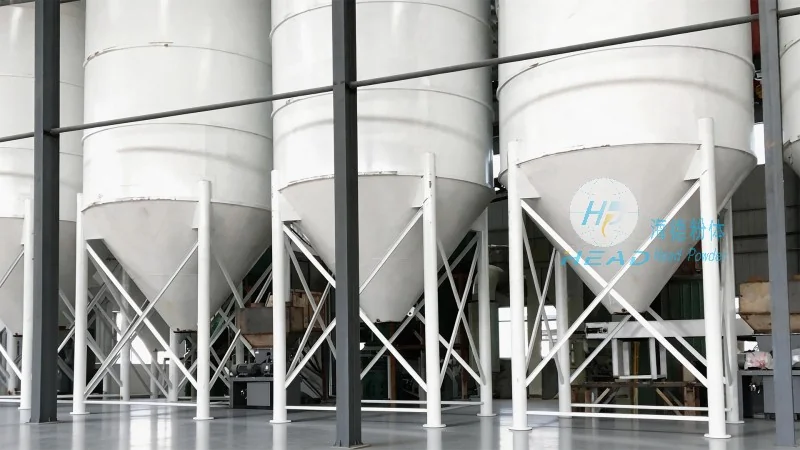
Shandong HeadPowder Engineering Co., Ltd., operating under the brand name headpowder, is a leading provider of specialized material handling solutions. With a focus on engineering excellence and customer-centric service, the company has developed advanced pneumatic conveying systems tailored to the needs of various industries. HeadPowder's expertise lies in designing and manufacturing systems that meet the specific requirements of sulfate ferrous materials, ensuring optimal performance and reliability. The company's commitment to quality and innovation has established it as a trusted partner in the field of material handling technology. HeadPowder's systems are built with high-quality components and rigorous testing to ensure durability and efficiency, providing customers with a long-term solution for their material transport needs. The company's location in Shandong, China, allows for easy access to local markets and support services, further enhancing its ability to serve clients effectively.

 Shandong Headpowder Engineering Co., Ltd.
 156-6277-7102(Manager Zhang)
  0531-83386006
  Zhangqiu District, Jinan City, Shandong Province, China
telephone
WeChatconsult
top