

Long-Distance Material Handling Equipment: Exploring Their Function and Design Principles
Long-distance material handling equipment plays a crucial role in modern industrial operations, enabling the efficient and reliable transport of materials over extended distances. These systems are essential for optimizing workflow, reducing labor costs, and enhancing overall productivity in various sectors such as manufacturing, logistics, and construction. Understanding the types of equipment available and their underlying design principles is vital for selecting the most suitable solution for specific applications.

Understanding Long-Distance Material Handling Equipment
Long-distance material handling equipment encompasses a range of machinery and systems designed to move materials from one location to another over significant distances. This category includes conveyor systems, belt conveyors, overhead cranes, and automated guided vehicles (AGVs), among others. Each type serves distinct purposes and operates based on different mechanisms, making it essential to evaluate the specific requirements of a project before choosing a solution.
Key Design Principles of Long-Distance Material Handling Equipment
The design of long-distance material handling equipment is guided by several fundamental principles aimed at ensuring efficiency, safety, and durability. These principles include load capacity, speed, and distance coverage, as well as considerations for material type, environmental factors, and operational constraints. Engineers and designers must carefully assess these factors to develop a system that meets the demands of the application while minimizing downtime and maintenance costs.
Components and Mechanisms in Long-Distance Material Handling Systems
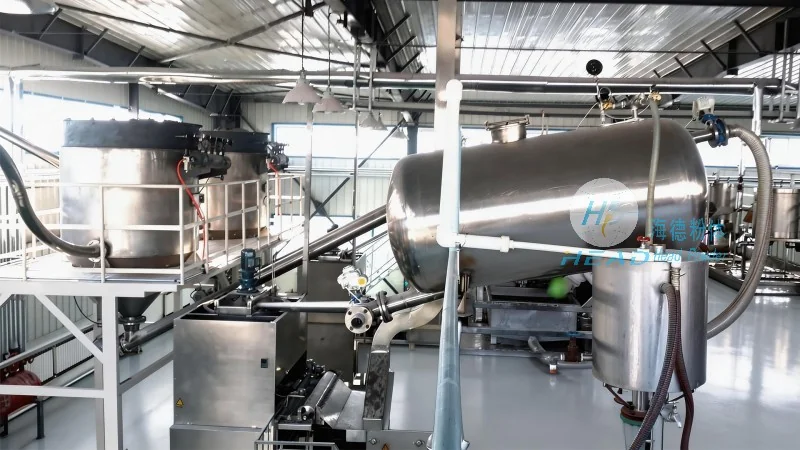
Long-distance material handling equipment typically consists of several key components, each contributing to the overall functionality of the system. The primary components include the drive system, which powers the movement of materials; the conveyor or lifting mechanism, which transports the load; and the control system, which regulates the operation of the equipment. Additionally, safety features such as emergency stop buttons, overload protection, and collision detection are integrated to ensure operational safety and compliance with industry standards.
Applications and Industries Utilizing Long-Distance Material Handling Equipment
Long-distance material handling equipment is widely used across various industries, including manufacturing, warehousing, and construction. In manufacturing, these systems are employed to transport raw materials to production lines and finished products to storage areas, streamlining the production process. In warehousing, conveyor systems are used to move inventory between storage racks and shipping docks, improving order fulfillment efficiency. In construction, overhead cranes and material lifts are utilized to transport heavy building materials to upper floors or construction sites, enhancing project timelines and safety.
Advantages of Implementing Long-Distance Material Handling Equipment
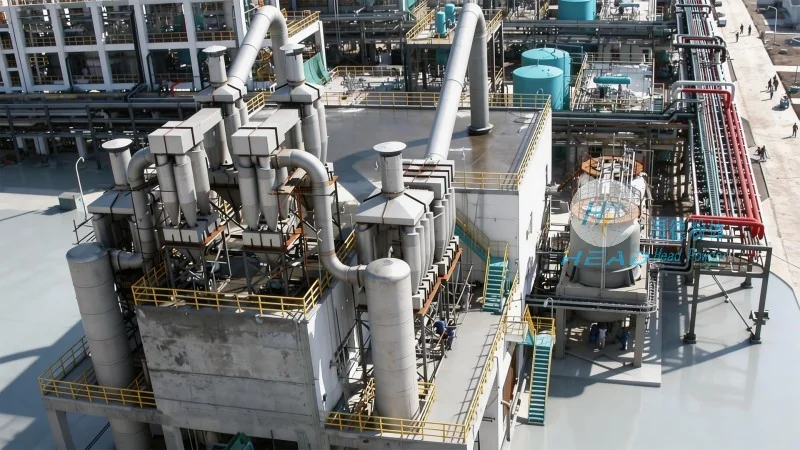
Adopting long-distance material handling equipment offers numerous advantages for businesses. These systems significantly reduce manual labor requirements, minimizing the risk of workplace injuries and improving worker safety. By automating material transport, companies can achieve higher throughput and reduce operational costs over time. Additionally, these systems enhance accuracy and consistency in material handling, leading to improved product quality and customer satisfaction. The scalability of long-distance material handling equipment also allows businesses to adapt to changing production needs and expand operations as required.
Considerations for Selecting Long-Distance Material Handling Equipment
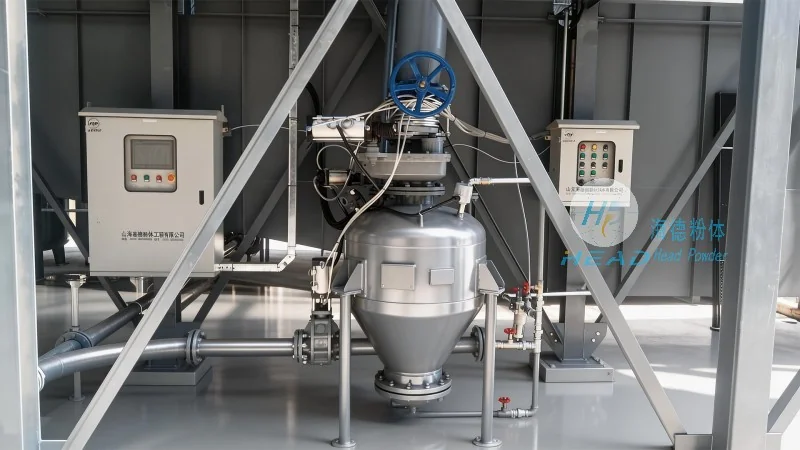
When selecting long-distance material handling equipment, several factors must be considered to ensure the optimal solution for a specific application. The first consideration is the type of material being handled, as different materials may require different conveyor systems or lifting mechanisms. For example, heavy or bulky items may necessitate the use of overhead cranes or heavy-duty belt conveyors, while lighter items may be suitable for automated guided vehicles. The distance and layout of the operation are also critical factors, as the length and complexity of the system will impact the choice of equipment. Additionally, budget constraints and maintenance requirements should be evaluated to ensure the selected system is both cost-effective and reliable in the long term.
Conclusion: The Importance of Long-Distance Material Handling Equipment
Long-distance material handling equipment is a cornerstone of modern industrial operations, providing the means to efficiently transport materials over extended distances. By understanding the design principles and components of these systems, businesses can select the most appropriate equipment to meet their operational needs. The implementation of such systems not only enhances productivity and safety but also contributes to the overall success and competitiveness of an organization. As technology continues to advance, the development of more sophisticated and efficient long-distance material handling equipment will further optimize industrial processes and drive innovation in various sectors.