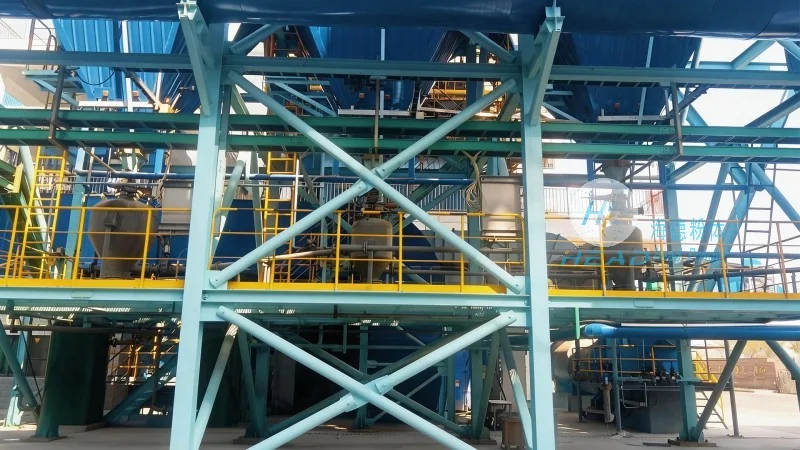
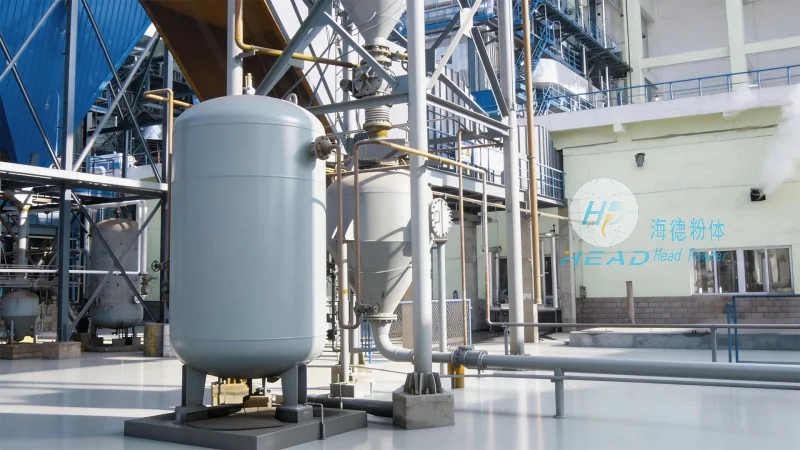
With more than 10‑year industry experience, Shandong Headpowder delivers full‑service pneumatic‑conveying systems and blowers, undertaking nationwide turn‑key powder‑handling projects.
In the realm of agricultural processing and food manufacturing, the efficient and reliable transportation of raw materials is a cornerstone of operational success. Moving bulk corn grain from one point to another presents unique challenges, including dust control, material degradation, and the need for hygienic processing environments. Traditional mechanical conveying methods, such as screw conveyors or belt systems, often struggle with these issues, leading to potential contamination or equipment wear. This is where advanced pneumatic conveying technology becomes essential. By utilizing air pressure or vacuum to transport materials through pipelines, pneumatic conveying offers a sealed, dust-free, and gentle method for moving corn grain. As a specialized provider in this field, we understand the nuances of handling agricultural products and have developed robust systems designed to meet the rigorous demands of modern grain processing facilities.
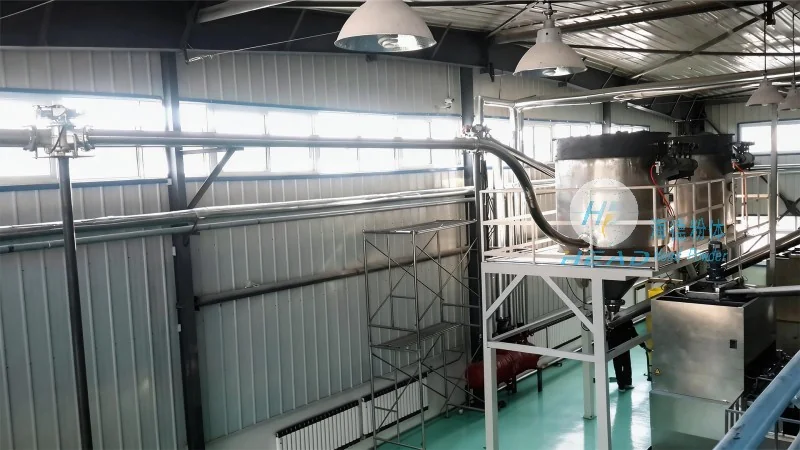
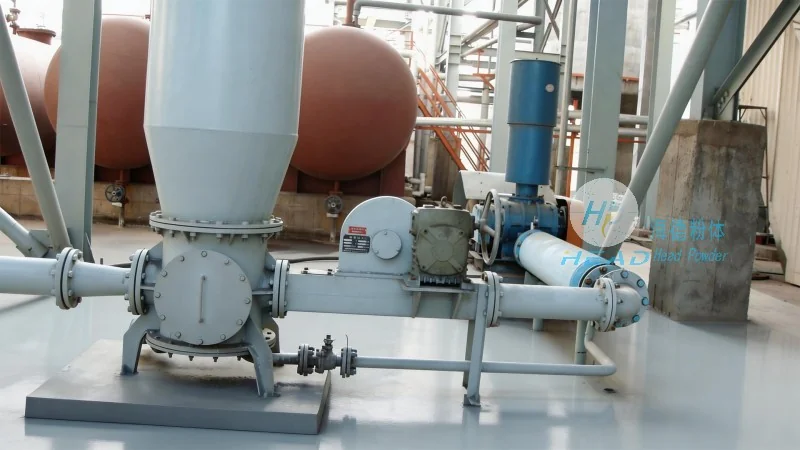
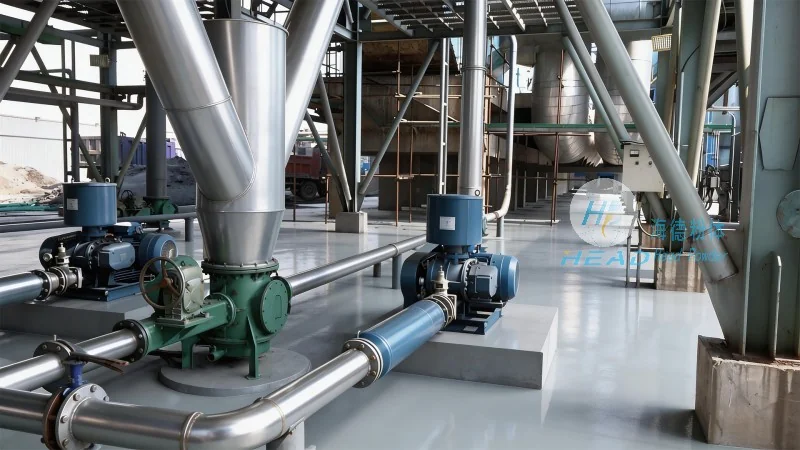
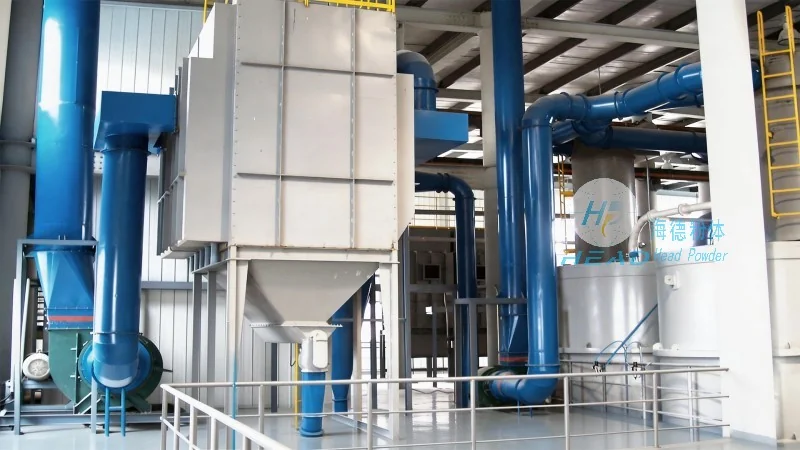
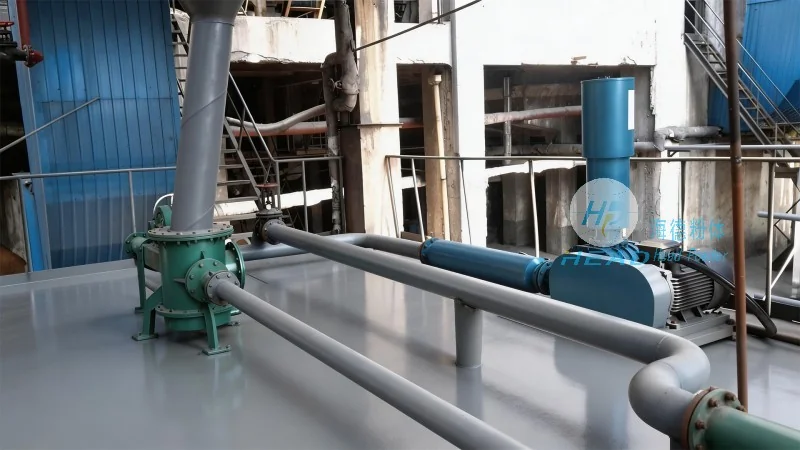
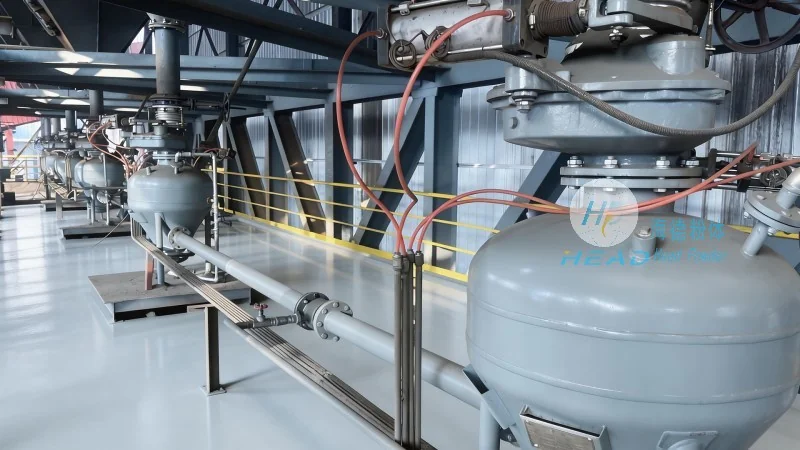
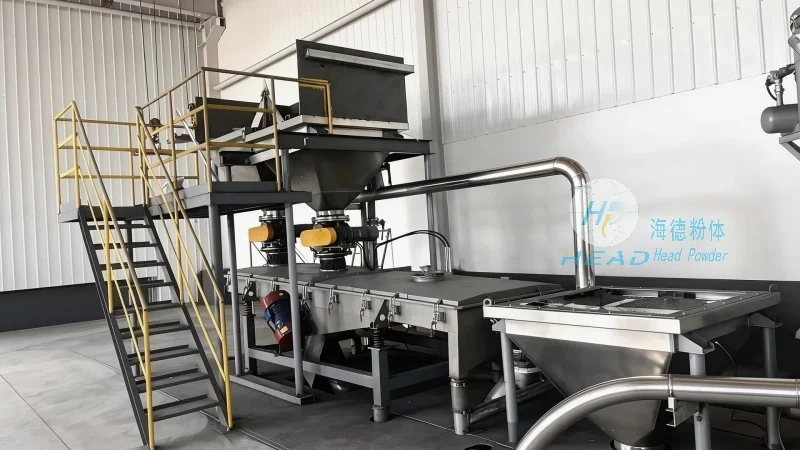
We are recognized as a premier **corn grain pneumatic conveying manufacturer**, dedicated to delivering high-quality engineering solutions. Our expertise lies in the design and fabrication of systems that handle the specific physical properties of corn, such as its friability and flow characteristics. Our **corn grain pneumatic conveying solutions** are engineered to ensure minimal breakage of kernels, preserving the quality of the product from intake to discharge. By integrating state-of-the-art components, including high-efficiency blowers, durable pipelines, and specialized valves, we ensure a continuous and uninterrupted flow of material. Our manufacturing processes adhere to strict quality control standards, ensuring that every system leaving our facility is built to last and perform efficiently in demanding industrial settings.
Every processing plant has a unique layout, workflow, and capacity requirement. A one-size-fits-all approach rarely works in industrial engineering. Therefore, we emphasize the importance of **corn grain pneumatic conveying scheme customization**. Our engineering team works closely with clients to analyze their specific site conditions, including vertical and horizontal distances, elevation changes, and space constraints. Whether you require a system to transport corn grain from a storage silo to a packaging line or between different processing units, we tailor the parameters to your exact needs. This customization ensures optimal energy efficiency and reduced operational costs, as the system is perfectly matched to the facility's specific operational profile.
The backbone of our operations is **Shandong Headpowder Engineering Co., Ltd.**, a company headquartered in Shandong, China. As a comprehensive engineering enterprise, we combine local manufacturing expertise with global engineering standards. Our facility in Shandong is equipped with advanced production machinery and a team of experienced engineers who specialize in bulk material handling. We pride ourselves on our ability to provide end-to-end services, from initial conceptual design and detailed engineering to on-site installation and after-sales support. Our commitment to innovation and customer satisfaction has established us as a trusted partner for grain processing industries both domestically and internationally.
Our **corn grain conveying systems** are designed with several critical features that enhance safety and efficiency. First and foremost, the systems are fully enclosed, which prevents dust explosions—a significant safety hazard in grain handling—and eliminates environmental pollution. The use of pneumatic pressure ensures that the material is moved gently, reducing the risk of kernel breakage and ensuring a high-quality product. Additionally, our systems are highly automated, reducing the need for manual intervention and lowering labor costs. We also focus on easy maintenance, with accessible components designed for quick servicing to minimize downtime. These features make our systems not only efficient but also sustainable and safe for long-term operation.
For facilities looking to upgrade their material handling infrastructure or require a new installation, **Shandong Headpowder Engineering Co., Ltd.** is ready to assist. Our team of experts is prepared to provide technical consultations and detailed quotations. To discuss your specific requirements or to schedule a meeting with our engineering team, please contact **Manager Zhang**. You can reach us directly via WeChat at 15662777102. We look forward to collaborating with you to optimize your corn grain handling processes and ensuring the smooth operation of your production line.

 Shandong Headpowder Engineering Co., Ltd.
 156-6277-7102(Manager Zhang)
  0531-83386006
  Zhangqiu District, Jinan City, Shandong Province, China
telephone
WeChatconsult
top