

Working Principle and Features of Lightweight Cement Pneumatic Conveying
Lightweight cement pneumatic conveying systems represent a sophisticated approach to material handling, particularly in industrial applications where efficiency and precision are paramount. This technology involves the transport of lightweight cement powders through a pipeline using air as the conveying medium. The process is both dynamic and efficient, leveraging principles of fluid dynamics and air pressure to move materials without the need for mechanical components like belts or buckets.
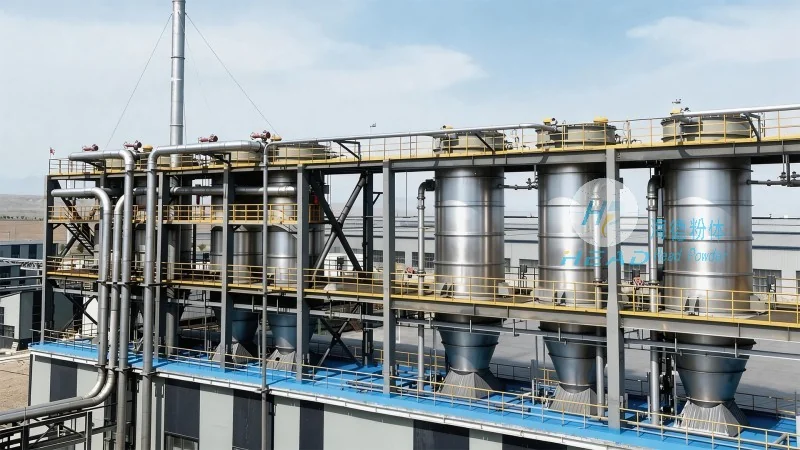
Working Principle of Lightweight Cement Pneumatic Conveying
The core mechanism of lightweight cement pneumatic conveying relies on the creation of a consistent airflow within a sealed pipeline system. At the material feed point, lightweight cement is introduced into the system, often through a hopper or feeder. Simultaneously, a fan or blower generates a high-velocity air stream that pulls the cement particles into the pipeline. As the air and cement mixture travels through the system, it passes through various components such as bends, filters, and silos, ensuring the material is transported smoothly and without degradation. The system typically operates under negative pressure (suction) or positive pressure (blow), depending on the specific application and layout. The negative pressure system is common for long-distance or complex routing, as it allows the air to draw material from multiple points, while the positive pressure system is ideal for shorter distances and simpler setups.
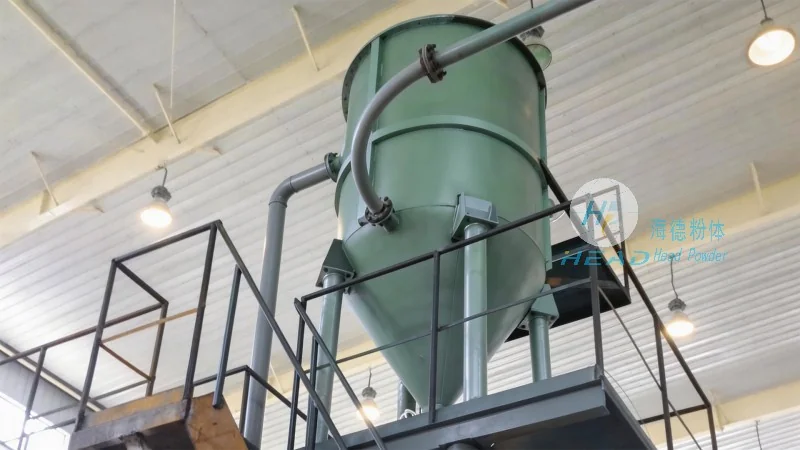
Key Features of Lightweight Cement Pneumatic Conveying Systems
Lightweight cement pneumatic conveying systems offer several distinct advantages that make them highly suitable for industrial environments. One of the most significant features is their ability to handle fine, powdery materials like lightweight cement with minimal degradation. The enclosed pipeline design prevents dust contamination and ensures a clean transfer process, which is critical in applications where product purity is essential. Additionally, these systems are highly flexible in terms of layout, allowing for complex routing around obstacles and equipment, making them adaptable to various factory layouts. Another key feature is their energy efficiency compared to traditional mechanical conveying methods. By using air as the primary transport medium, the systems reduce wear and tear on components and lower operational costs over time. The systems also provide better control over material flow, enabling precise dosing and regulation, which is vital for processes that require consistent material input. Furthermore, the absence of moving parts in the conveying line minimizes maintenance requirements, contributing to higher system reliability and longer operational life.
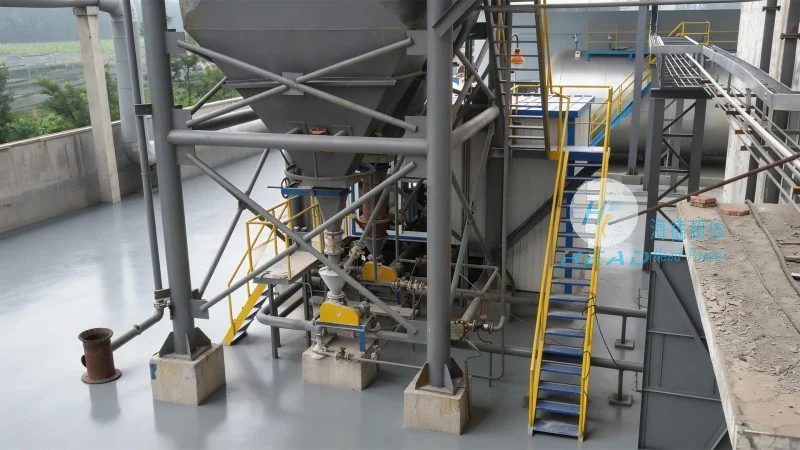
Applications and Benefits in Industrial Settings
Lightweight cement pneumatic conveying systems are widely utilized in various industrial sectors, including construction, manufacturing, and chemical processing. In the construction industry, they are essential for transporting lightweight cement to job sites, ensuring a consistent supply of material for concrete production and other building applications. The systems are also beneficial in manufacturing plants where lightweight cement is used as a raw material for producing lightweight concrete, insulation materials, or other composite products. The ability to handle fine powders efficiently and maintain product quality makes these systems indispensable in industries where material purity and consistency are non-negotiable. Moreover, the environmental benefits of pneumatic conveying systems are notable. By containing dust and preventing emissions, they contribute to a cleaner working environment and comply with environmental regulations. This aspect is particularly important in regions with strict air quality standards, where traditional open conveying methods may not be permissible.
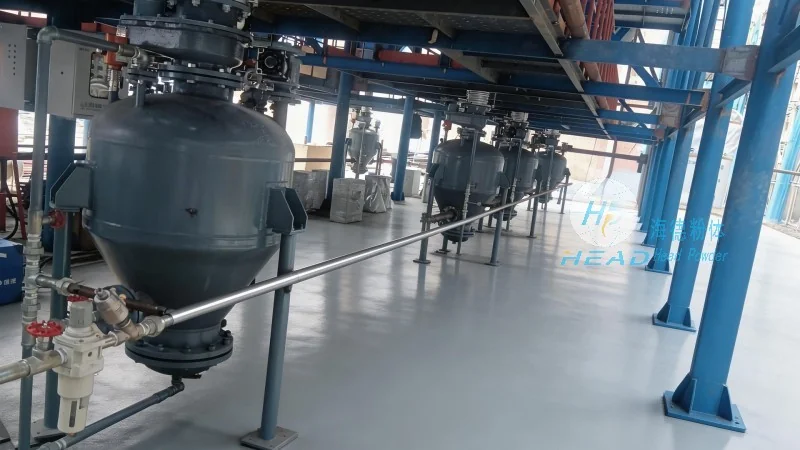
Company Overview: Shandong HeadPowder Engineering Co., Ltd.
Shandong HeadPowder Engineering Co., Ltd., commonly known as HeadPowder, is a leading manufacturer and supplier of advanced material handling solutions, including lightweight cement pneumatic conveying systems. With a strong focus on innovation and quality, the company has established itself as a trusted partner in the industry, providing customized solutions tailored to the specific needs of clients. HeadPowder's expertise lies in designing and manufacturing systems that optimize material transport efficiency while ensuring compliance with industry standards and environmental regulations. The company's commitment to research and development ensures that its products remain at the forefront of technological advancements, offering superior performance and reliability. Based in Shandong, China, HeadPowder leverages its local resources and expertise to deliver high-quality products and services to a global clientele. The company's reputation for excellence and customer satisfaction has made it a preferred choice for businesses seeking reliable and efficient material handling solutions.