

What is a Catalyst Material Pneumatic Conveying Equipment? What Are Its Design Principles?
Catalyst material handling is a critical process in many industrial applications, and the choice of equipment can significantly impact efficiency and safety. Pneumatic conveying systems have emerged as a reliable solution for transporting catalyst powders and granules, offering advantages such as low maintenance, minimal product contamination, and the ability to handle abrasive or sensitive materials. This article explores the concept of catalyst material pneumatic conveying equipment and delves into its fundamental design principles, highlighting how these systems are engineered to meet the unique demands of catalyst processing.
Understanding Catalyst Material Pneumatic Conveying Equipment
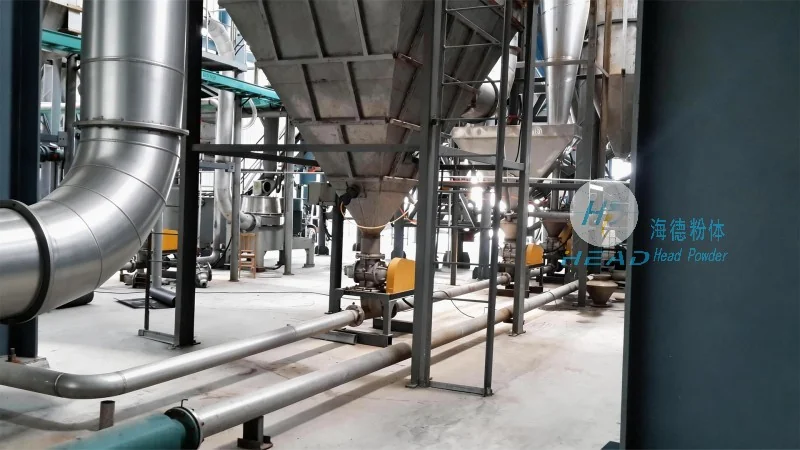
Pneumatic conveying equipment is a type of material handling system that uses pressurized air or vacuum to transport bulk materials like catalyst powders through a pipeline. Unlike traditional mechanical conveyors, which rely on physical contact and friction, pneumatic systems utilize air flow to move materials, making them ideal for handling fine, dusty, or delicate catalyst particles. The core components of a typical pneumatic conveying system include a feeding device, a conveying line, a separation unit, and a discharge device. Each component is carefully designed to ensure efficient and safe material transport, minimizing the risk of product degradation or loss.
Key Design Principles for Catalyst Material Pneumatic Conveying
The design of catalyst material pneumatic conveying equipment is guided by several key principles that ensure optimal performance and reliability. First, the system must be tailored to the specific properties of the catalyst material, including its particle size, density, moisture content, and flowability. For example, cohesive or sticky catalyst powders may require specialized feeding mechanisms, such as rotary valves or vibratory feeders, to prevent blockages and ensure consistent flow. Second, the air velocity and pressure within the conveying line must be optimized to prevent particle degradation and maintain product integrity. High air velocities can cause excessive wear on equipment and degrade the catalyst's structure, while low velocities may lead to clogging. Engineers typically use the "critical velocity" concept to determine the minimum air speed required to keep particles suspended and flowing smoothly. Third, the system's design must address the challenges of pressure drop and energy efficiency. The pressure drop across the conveying line is a critical factor, as it determines the power required to operate the system. Proper sizing of the pipeline diameter, length, and bends is essential to minimize pressure losses and reduce energy consumption. Additionally, the use of efficient separation and filtration systems helps to maintain air quality and prevent dust accumulation in the system.
Components and Functionality of Pneumatic Conveying Systems
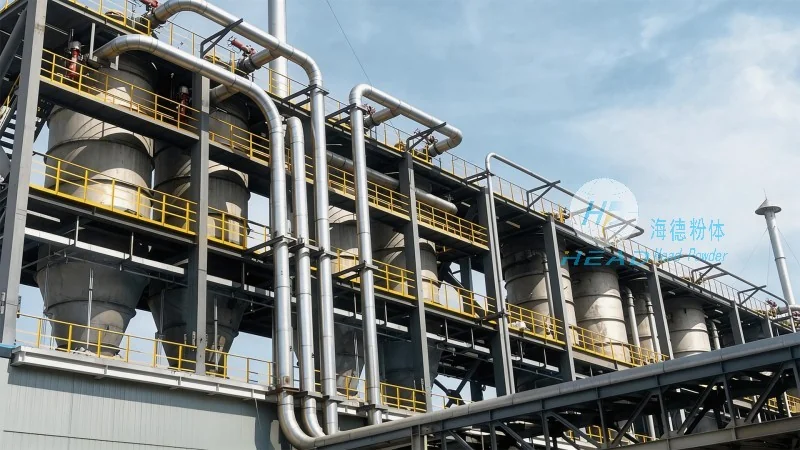
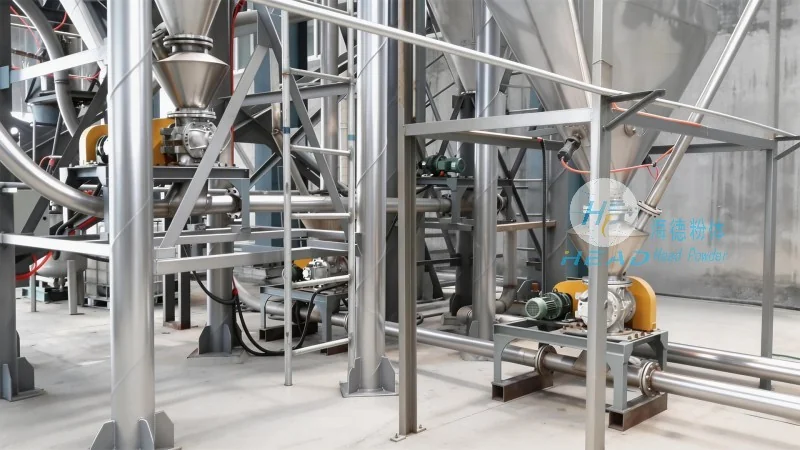
The effectiveness of a catalyst material pneumatic conveying system depends on the integration of several key components, each with a specific role in the material transport process. The feeding device is responsible for introducing the catalyst material into the conveying line. Common feeding options include rotary air locks (or star valves), screw feeders, and vibratory feeders. Rotary air locks are particularly suitable for catalyst powders due to their ability to handle fine, abrasive materials and prevent backflow. The conveying line itself is typically made of stainless steel or other corrosion-resistant materials to withstand the abrasive nature of catalyst particles and prevent contamination. The line may include bends, elbows, and expansion joints to accommodate changes in direction and accommodate pressure fluctuations. The separation unit, often a cyclone or bag filter, is used to separate the catalyst material from the air stream at the end of the conveying line. This unit ensures that the catalyst is collected efficiently and that the air is cleaned before being discharged or recirculated. The discharge device, such as a rotary valve or a hopper, then collects the catalyst material and transfers it to the next processing stage. The entire system is controlled by a programmable logic controller (PLC) or a similar control system, which monitors parameters such as pressure, flow rate, and temperature to ensure safe and efficient operation.
Advantages of Using Pneumatic Conveying for Catalyst Materials
Compared to traditional mechanical conveyors, pneumatic conveying systems offer several advantages when handling catalyst materials. First, they provide a closed system, which minimizes dust emissions and prevents product contamination from external sources. This is particularly important for catalysts, which are often sensitive to moisture or air exposure. Second, pneumatic systems can handle a wide range of particle sizes and shapes, from fine powders to coarse granules, without the need for additional processing steps. Third, the systems are relatively compact and can be easily integrated into existing production lines, reducing the need for extensive facility modifications. Additionally, pneumatic conveying equipment is generally low maintenance, as it has fewer moving parts compared to mechanical conveyors, and the components are designed to withstand the abrasive nature of catalyst particles. However, it is important to note that pneumatic systems require a reliable air supply and may have higher energy consumption compared to some mechanical alternatives.
Applications of Catalyst Material Pneumatic Conveying Equipment
Catalyst material pneumatic conveying equipment is widely used in various industrial sectors, including chemical manufacturing, petrochemical processing, and pharmaceutical production. In chemical plants, these systems are used to transport catalyst powders to reactors, where they are used to accelerate chemical reactions. In petrochemical facilities, pneumatic conveyors are employed to move catalysts between processing units, such as reactors and regeneration units. In pharmaceutical manufacturing, the systems are used to handle catalysts used in the synthesis of active pharmaceutical ingredients (APIs), ensuring that the materials are transported safely and efficiently. The versatility of pneumatic conveying systems makes them suitable for a wide range of applications, from small-scale laboratory operations to large-scale industrial production.
Conclusion and Company Introduction
Pneumatic conveying equipment is a vital tool for the efficient and safe handling of catalyst materials in industrial applications. The design principles and components of these systems are carefully engineered to address the unique challenges of catalyst processing, ensuring minimal product degradation and optimal performance. As a leading provider of material handling solutions, Shandong HeadPowder Engineering Co., Ltd. specializes in designing and manufacturing high-quality pneumatic conveying systems tailored to the specific needs of catalyst manufacturers. With a focus on innovation and customer satisfaction, HeadPowder offers reliable equipment that enhances productivity and ensures the integrity of catalyst materials throughout the processing cycle. Based in Shandong, China, HeadPowder serves clients worldwide, providing expert solutions for their material handling challenges. Whether you are looking to upgrade your existing system or design a new one, HeadPowder is committed to delivering the best possible solutions for your catalyst material conveying needs.