

Diatomaceous Earth Material Pneumatic Conveying Equipment: Understanding Its Design Principles
Diatomaceous earth, a natural sedimentary rock composed of fossilized diatoms, is widely used in various industrial applications due to its unique properties such as high porosity, low bulk density, and excellent filtration capabilities. The efficient handling and transportation of diatomaceous earth are crucial for maintaining production efficiency and product quality. Pneumatic conveying equipment has emerged as a preferred solution for transporting this delicate and often fine-grained material, offering advantages over traditional methods like belt conveyors or bucket elevators. This article explores the fundamental aspects of diatomaceous earth material pneumatic conveying equipment, focusing on its design principles and operational effectiveness.
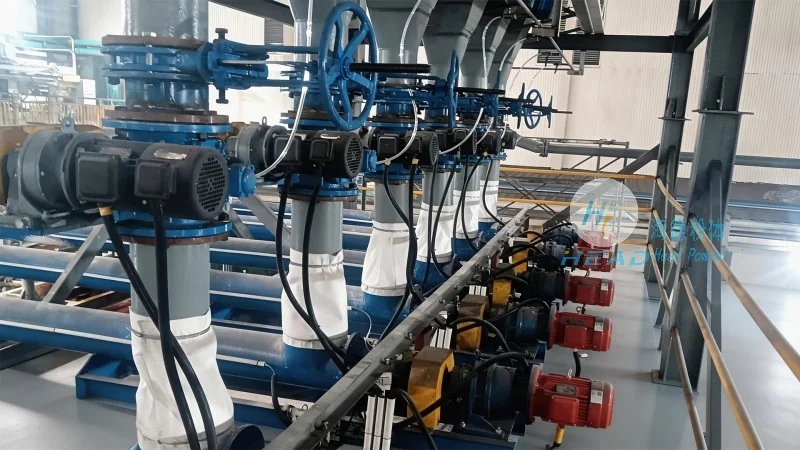
What is Pneumatic Conveying? A Brief Overview
Pneumatic conveying is a method of transporting bulk materials through a pipeline using a gas stream, typically air. Unlike mechanical conveying systems that rely on physical contact and movement of components, pneumatic systems utilize pressure differentials to move material from one location to another. There are two primary types of pneumatic conveying: pressure and vacuum systems. Pressure systems operate by blowing air or other gases into the conveying line, while vacuum systems create a negative pressure to draw material into the pipeline. For diatomaceous earth, which is often sensitive to abrasion and can generate dust, a well-designed pneumatic system is essential to minimize material degradation and ensure safe operation.
Key Design Principles of Diatomaceous Earth Pneumatic Conveying Equipment
The design of diatomaceous earth pneumatic conveying equipment must address several critical factors to ensure optimal performance and longevity. First, the material of construction is paramount. Diatomaceous earth is abrasive and can cause wear on metal surfaces, so equipment components such as pipes, valves, and cyclones are typically made from corrosion-resistant materials like stainless steel or special alloys. Additionally, the system must be designed to handle the low bulk density and fine particle size of diatomaceous earth, which can lead to high pressure drops and potential blockages if not properly engineered. HeadPowder, a leading manufacturer based in Shandong, China, specializes in developing customized pneumatic conveying solutions tailored to the specific characteristics of diatomaceous earth and other similar materials.
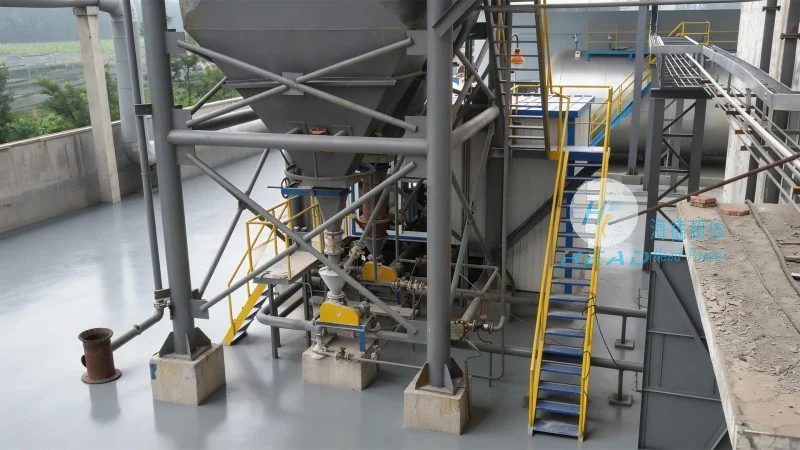
Components and Operational Mechanism
A typical diatomaceous earth pneumatic conveying system consists of several key components, each playing a vital role in the overall operation. The primary components include a material feed hopper, a conveyor line (either horizontal or vertical), a dust collection system, and a receiver for the conveyed material. The material feed hopper is designed to store and feed the diatomaceous earth into the conveying line at a controlled rate, preventing overloading and ensuring consistent flow. The conveyor line is equipped with appropriate fittings, such as elbows and tees, to direct the material and maintain a smooth flow. Cyclones or filters are used to separate the material from the air stream, allowing the air to be recycled or vented safely. The receiver at the end of the line collects the conveyed diatomaceous earth, ready for further processing or storage.
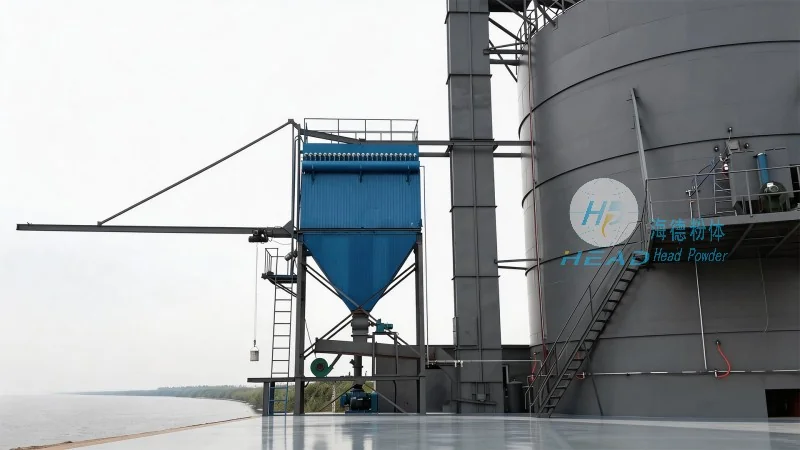
Advantages of Pneumatic Conveying for Diatomaceous Earth
Compared to traditional conveying methods, pneumatic conveying offers several advantages when handling diatomaceous earth. One of the most significant benefits is the ability to transport material over long distances without the need for multiple transfer points or intermediate storage. This reduces the risk of material contamination and improves overall process efficiency. Additionally, pneumatic systems can handle fine and abrasive materials more effectively, minimizing wear on equipment and extending its service life. The enclosed nature of the system also helps in controlling dust emissions, which is crucial for maintaining a safe and clean working environment. HeadPowder's expertise in designing and manufacturing pneumatic conveying equipment ensures that these advantages are fully realized, providing clients with reliable and efficient solutions for their diatomaceous earth handling needs.
Customization and Application Considerations
Due to the diverse applications of diatomaceous earth, such as in filtration, abrasives, and animal feed, the pneumatic conveying equipment must be customized to meet specific operational requirements. HeadPowder, with its extensive experience in the industry, offers tailored solutions that consider factors such as material flow rate, conveying distance, and the desired end product quality. For example, in applications where the diatomaceous earth is used for filtration, the system may be designed to minimize particle breakage and maintain the material's structural integrity. In other applications, such as in animal feed production, the system may need to handle larger quantities of material with higher flow rates. The company's engineers work closely with clients to understand their specific needs and develop a pneumatic conveying system that meets all technical and operational criteria.